The short version
- Jackie Mitchell struck out Babe Ruth and Lou Gehrig consecutively during a 1931 exhibition game in Tennessee, an event that challenged contemporary gender norms in athletics.
- Contemporary reports and modern analysis suggest the strikeouts were genuine, despite suspicions fueled by the promoter’s history of publicity stunts and the timing near April Fool’s Day.
- Commissioner Kenesaw Mountain Landis reportedly voided Mitchell’s contract, citing safety concerns for women, effectively ending her professional career and reinforcing gender exclusions in baseball.
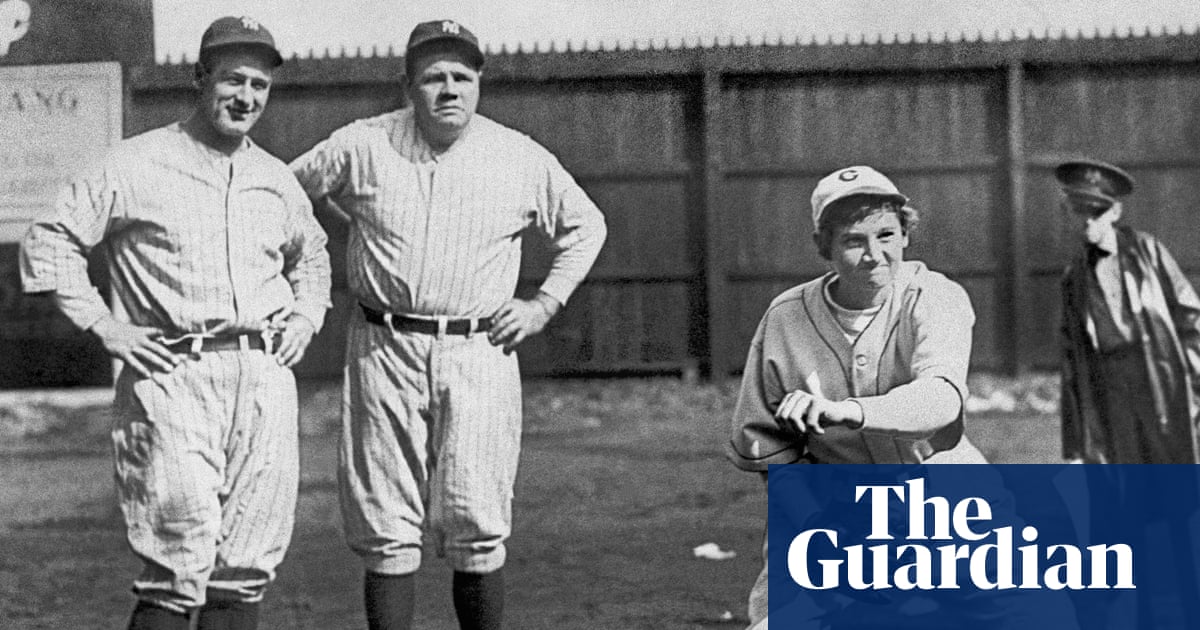
In a moment that continues to resonate within the history of American sports, seventeen-year-old Jackie Mitchell struck out two of baseball’s most iconic figures, Babe Ruth and Lou Gehrig, during an exhibition game in 1931. The event occurred while the New York Yankees were traveling through Tennessee for a preseason matchup against the minor-league Chattanooga Lookouts. Mitchell, a left-handed pitcher known for her precise control and distinctive side-arm delivery, entered the game in the first inning before a crowd of approximately four thousand spectators.
The atmosphere surrounding the at-bats was charged with skepticism and theatricality. Contemporary accounts describe Ruth approaching the plate with a wry expression, seemingly aware of the spectacle unfolding. He swung hard at two pitches before requesting that the umpire inspect the ball, a gesture often associated with batters confused by an unusual pitching style. Ruth ultimately struck out looking, reportedly discarding his bat in a display of frustration. Gehrig followed, striking out after three powerful swings. Mitchell exited the game shortly thereafter after walking the next batter, Tony Lazzeri, and the Yankees secured a 14-4 victory.
The authenticity of these strikeouts has been subject to ongoing debate. Some observers at the time suggested that Ruth and Gehrig may have intentionally struck out to avoid humiliating a young female pitcher, framing their performance as an act of chivalry rather than competitive failure. However, this interpretation overlooks the professional pride inherent in both players’ careers. Ruth was known for his media savvy and sense of humor, while Gehrig was regarded as a more serious competitor. The notion that they would deliberately fail to perform seems inconsistent with their established reputations.
Skepticism regarding the event’s legitimacy is further complicated by the circumstances surrounding the Lookouts’ management. Team president Joe Engel was a flamboyant promoter who frequently employed unconventional tactics to attract fans during the Great Depression. His history of publicity stunts, including trading a player for a turkey and staging fake phone calls with Adolf Hitler, has led some to question whether Mitchell’s appearance was orchestrated as a hoax. The game was originally scheduled for April Fool’s Day but was postponed due to weather, adding another layer of ambiguity to the narrative.
Despite these suspicions, there is substantial evidence supporting Mitchell’s genuine talent. Born in Chattanooga in 1913, she was a skilled athlete who learned baseball from her father and played for Engel’s all-female team. Reports indicate that Hall of Famer Dazzy Vance taught her her signature drop pitch, contributing to her ability to compete at a high level. Her performance against Ruth and Gehrig demonstrated a command of the game that challenged prevailing assumptions about women’s physical capabilities in sports.
The aftermath of the exhibition had significant consequences for Mitchell’s career. Kenesaw Mountain Landis, the commissioner of baseball, reportedly voided her contract on the grounds that professional baseball was too physically demanding for women. While definitive confirmation of Landis’s ruling remains elusive, Mitchell herself believed this decision prevented her from pursuing a major league career. She expressed regret that she might have otherwise qualified for higher levels of competition, including the possibility of playing in a World Series.
This incident highlights the broader systemic barriers faced by women in baseball during the early twentieth century. Landis’s alleged actions reflected a widespread belief that women should participate in sports only recreationally and within segregated environments. The decision to void Mitchell’s contract underscored the institutional resistance to integrating women into professional athletics, regardless of individual talent or achievement.
Mitchell did not pitch for the Lookouts again after the 1931 exhibition, marking the end of her brief but notable presence in organized baseball. She remained largely absent from the sport until being invited to throw a ceremonial first pitch in 1982. Her story serves as a poignant reminder of the opportunities lost due to gender-based restrictions and the enduring impact of such policies on athletic history.
The legacy of Mitchell’s performance extends beyond the immediate controversy of the strikeouts. It raises important questions about how society perceives women’s roles in traditionally male-dominated fields. The event continues to be cited in discussions about gender equity in sports, illustrating both the potential for women to excel and the obstacles that have historically limited their participation.
As baseball evolves, the story of Jackie Mitchell remains a critical reference point for understanding the intersection of talent, gender, and institutional power. Her ability to strike out Ruth and Gehrig was not merely a momentary spectacle but a challenge to entrenched norms. The ongoing debate over the legitimacy of her achievement reflects deeper societal tensions regarding women’s place in professional athletics.
Sources behind this briefing
Go to the original reporting
- The Guardian US↗‘Utterly baffled’: the 17-year-old girl who struck out Babe Ruth and Lou Gehrig

