The short version
- Luna, a ten-year-old Jack Russell terrier, was captured alive in Yellowstone National Park after escaping her family's cabin in September.
- Rescuers used scent-based baiting rather than food to avoid attracting predators like bears and wolves during the final capture attempt.
- The dog survived by utilizing previous street experience and navigating park infrastructure, though she arrived underweight but alert.
A ten-year-old Jack Russell terrier named Luna has been reunited with her owners after spending more than a month wandering through Yellowstone National Park. The animal was secured in a live trap on Wednesday, marking the successful conclusion of a search effort that intensified as winter weather approached. Katie Boucher, a volunteer coordinating the rescue and representing the family from California, confirmed the capture occurred just days before seasonal conditions would have likely made further searches impossible.
The incident began on September 10 when Luna slipped away from her family’s accommodation within the park boundaries. According to Boucher, the owners had left their room with a do-not-disturb sign while exploring nearby areas. Housekeeping staff reportedly entered the room, inadvertently allowing the dog to escape. Park employees attempted to recapture the animal for over two hours before the owners returned and realized Luna was missing. The initial response involved frantic efforts that ultimately failed to secure the small white terrier.
Yellowstone presents a uniquely hazardous environment for lost domestic animals. Spanning approximately 3,500 square miles across Wyoming, Montana, and Idaho, the park is home to grizzly bears, wolves, and coyotes. Early in the disappearance, officials advised the family that Luna had likely perished, possibly falling victim to predation by a coyote. However, sightings persisted, prompting Boucher to intervene. She operates the Norris Ark Training and Recovery Center in Montana, located just north of the park entrance, and began tracking reports of the dog’s movements.
Luna demonstrated remarkable survival instincts during her time in the wild. Boucher noted that the dog had spent her first year living on the streets before being adopted, which may have contributed to her ability to navigate the rugged terrain. Witnesses reported seeing Luna crossing intersections, walking through employee housing complexes, and entering lodges via automatic doors. Rather than fleeing randomly, the dog appeared to retrace the path her family had taken prior to her escape, visiting eateries and accommodations they had previously occupied.
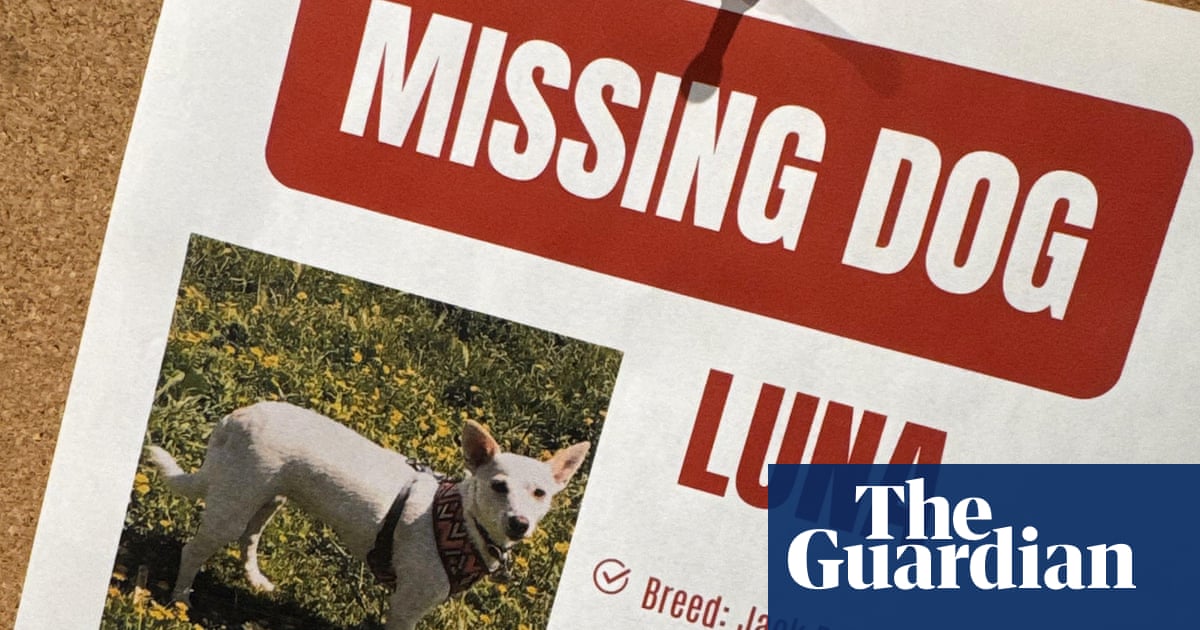
The rescue strategy evolved based on observations of Luna’s behavior. Volunteers distributed flyers featuring photographs of the short-legged terrier, but direct attempts by locals and tourists to catch her often backfired. Chasing or calling out to the dog triggered a fight-or-flight response, driving her deeper into the wilderness. To counter this, Boucher organized a targeted trapping effort that avoided using food bait, which could attract larger predators such as bears. Instead, the trap was lined with scraps from a T-shirt and pillowcase belonging to Luna’s family, leveraging scent recognition to lure her in.
The timing of the capture proved critical. Boucher indicated that this final week represented the last viable window for search operations. Colder temperatures were expected to limit how long any animal could survive outdoors in the park. Additionally, the RV park where seasonal employees reside, and where Luna had been spotted sleeping, was scheduled to close the following Monday. The convergence of these factors created a narrow deadline for rescuers to act before environmental conditions worsened.
Upon capture, Luna was transported to a veterinarian for examination on Wednesday afternoon. Medical assessments revealed that while the dog was underweight, a condition expected after weeks in the wild, she remained alert and in good spirits. Boucher described an emotional journey back from the park site, noting her relief at seeing the animal safe. The case underscores the complexities of wildlife management and domestic pet safety in large protected areas.
The resolution offers a rare positive outcome in a setting where lost pets often face grim fates. Yellowstone’s vast size and diverse predator population make recovery efforts particularly challenging. The success of this operation relied on coordinated volunteer work, strategic use of non-food baiting, and timely intervention before winter set in. As the park prepares for colder months, the incident serves as a reminder of the risks associated with leaving animals unattended in remote locations.
Future prevention measures may include stricter protocols for hotel staff regarding room access when guests are absent. The family’s experience highlights how easily accidents can occur in high-traffic tourist areas. While Luna’s survival is attributed to her prior street experience and luck, other pets might not fare as well. The reunion concludes a month-long ordeal that captured attention across the region, demonstrating both the dangers of the wilderness and the dedication of those who work to mitigate them.
Sources behind this briefing
Go to the original reporting
- The Guardian US↗Luna, dog missing in Yellowstone for a month, is reunited with her owners