The short version
- The mayor of Izmir, Turkey's third-largest city, has joined President Recep Tayyip Erdoğan’s Justice and Development Party, reversing previous public vows to remain independent.
- This defection occurs amid a broader campaign of politically motivated arrests and lawsuits targeting opposition mayors, with six provincial leaders detained since the 2024 local elections.
- Political analysts attribute the shift not to ideological conversion but to fear and repression aimed at reversing the ruling party’s significant losses in recent municipal contests.
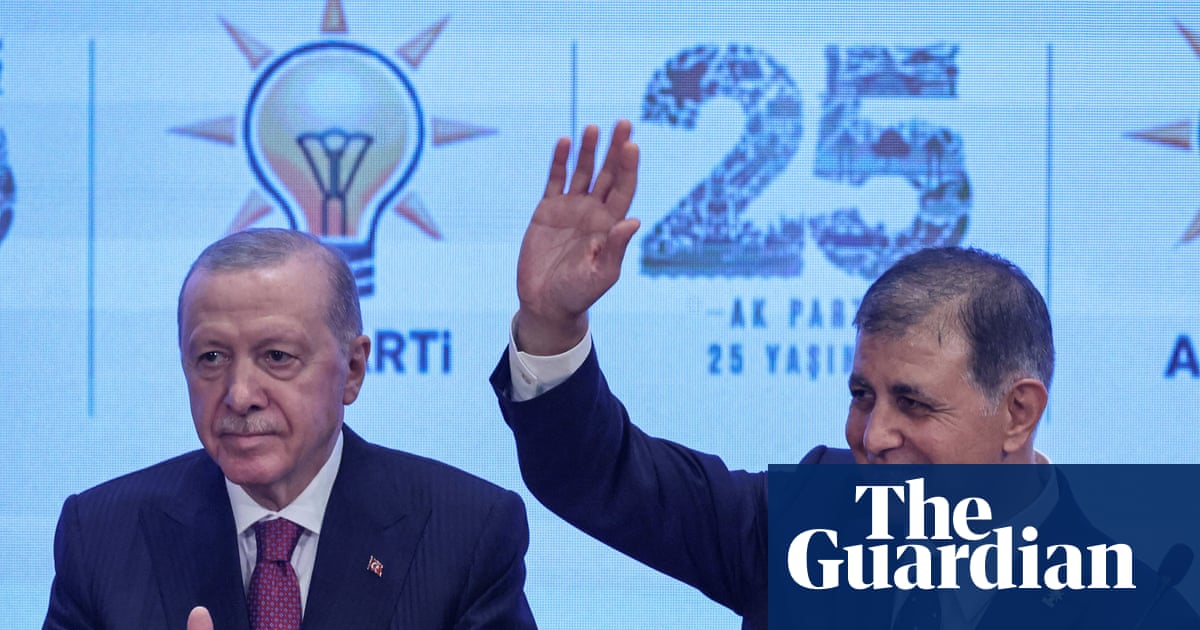
The political landscape in Turkey has shifted significantly with the announcement that Cemil Tugay, the mayor of Izmir, has joined President Recep Tayyip Erdoğan’s Justice and Development Party (AKP). This move marks a notable reversal for Tugay, who had previously pledged steadfast loyalty to the opposition. The defection was publicly celebrated by Erdoğan during a parliamentary group meeting in Ankara, where he presented Tugay with a party pin amidst a festive atmosphere broadcast live on television. The event underscores a strategic victory for the ruling party in one of Turkey’s most prominent secular strongholds.
Izmir, a coastal city of 4.5 million people, has been governed by social democrats since 1999 and is widely regarded as an opposition bastion. Tugay assumed office in April 2024 following the center-left Republican People’s Party (CHP) victory in the March local elections. However, his political trajectory changed after he resigned from the CHP in June, following a controversial court ruling that replaced the party’s leadership. At that time, Tugay declared he would remain independent, though rumors of a potential switch to the AKP had already begun to circulate within political circles.
The reaction on the streets of Izmir has been one of anger and disgust. Residents have expressed deep disappointment in Tugay’s decision, with some citizens voicing strong personal condemnations. One local resident stated that he would be ashamed to show his face in public if he were Tugay’s mother and suggested that his wife should leave him. This sentiment reflects the intensity of feelings in a city where secular values are deeply entrenched and where Tugay had previously vowed that switching sides would result in disownment by his family.
Tugay’s defection is part of a larger pattern of pressure exerted on opposition officials. Since the 2024 local elections, the opposition has faced an increasingly intense crackdown characterized by what observers describe as politically motivated arrests and lawsuits. According to figures published by the independent Diken news website, six provincial mayors affiliated with the opposition have been arrested, including Ekrem İmamoğlu, the mayor of Istanbul. Additionally, 29 district mayors have faced similar legal challenges, illustrating the scope of the government’s efforts to consolidate control at the local level.
Political analysts suggest that these defections are driven by fear rather than ideological alignment. Berk Esen, a political analyst, described the situation as a continuation of the AKP’s strategy to reverse its major defeat in the 2024 local elections through force and repression. He noted that mayors are not changing sides because they have been won over by the ruling party’s platform or ideology. Instead, many are acting out of fear of the legal and political consequences of remaining independent or aligned with the opposition.
The broader context includes a significant number of defections to Erdoğan’s party prior to Tugay’s announcement. Reports indicate that at least 17 opposition mayors had already joined the AKP before this latest development. This trend highlights the effectiveness of the pressure campaign in weakening the opposition’s hold on local government. Despite these defections, opposition parties retain a majority on the Izmir city council, suggesting that while executive leadership has shifted, legislative influence remains contested.
Özgür Özel, the former CHP leader who founded the Yeni party after taking 90 lawmakers with him, has spoken out against the campaign of pressure. He characterized the threats and blackmail faced by elected officials in Izmir as unacceptable. Özel drew a sharp distinction between those who resist pressure and those who succumb to it, labeling the latter as traitors while affirming that those who stand firm will remain brothers until death. His comments reflect the internal divisions and moral judgments shaping the opposition’s response to the government’s tactics.
The implications of Tugay’s defection extend beyond Izmir, signaling a potential turning point in Turkey’s political dynamics. The ruling party’s ability to co-opt or intimidate local leaders challenges the resilience of the opposition movement. As the crackdown continues, the balance of power in Turkish municipalities may shift further toward the AKP, altering the governance of key cities and impacting the lives of millions of citizens. The coming months will likely reveal whether this strategy can sustainably reverse the opposition’s electoral gains or if it will provoke further resistance.
Uncertainty remains regarding the long-term stability of these defections and the extent to which they reflect genuine political realignment versus temporary survival strategies. While the AKP celebrates each defection as a victory, the underlying tensions between the ruling party and secular opposition forces persist. The situation in Izmir serves as a microcosm of the broader struggle for influence in Turkey, where legal mechanisms and political pressure are increasingly used to reshape the democratic landscape.
Sources behind this briefing
Go to the original reporting
- The Guardian US↗Mayor of Turkish opposition stronghold Izmir defects to Erdoğan’s party
