The short version
- Biama dance battles have become a central feature of youth culture in Côte d’Ivoire, driven by TikTok challenges and street performances.
- The movement represents an evolution of the coupé-décalé genre, which originated in Abidjan’s Yopougon district and previously defined Ivorian pop music.
- While biama dominates among younger demographics, it coexists with maïmouna, a rap-infused variant that has also gained significant traction.
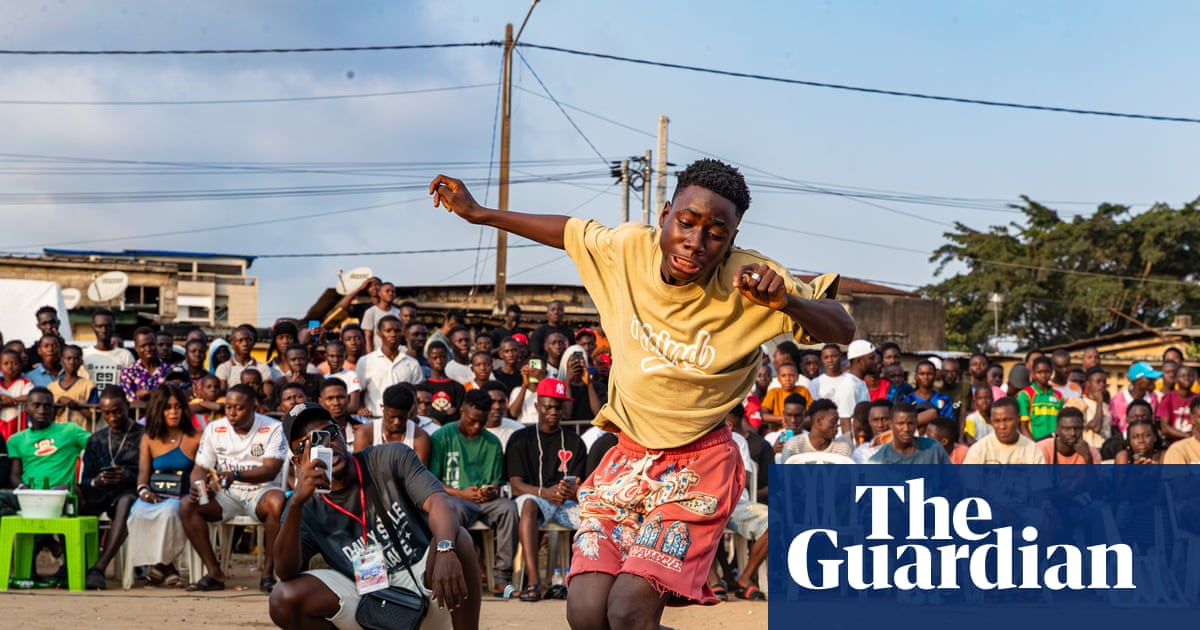
A vibrant new wave of dance culture is sweeping through Abidjan, characterized by high-speed acrobatics and playful movements that have captured the attention of young Ivorians. Biama, a rapid-paced derivative of the established coupé-décalé genre, has emerged as a dominant force in local pop culture, fueled largely by social media platforms like TikTok. Street dance battles now serve as primary venues for this expression, drawing crowds to neighborhood squares where performers showcase intricate footwork and dramatic physical feats.
Recent events in the Yopougon-Selmer district illustrate the scale of this phenomenon. A gathering of approximately four hundred spectators watched competitors, many under the age of twenty-five, perform with intense energy. The atmosphere was informal, with attendees consuming local food and beverages while participants executed complex routines that blend traditional Ivorian dance elements with modern street styles. Performers described these events as opportunities to share God-given talent with a wider audience, challenging perceptions that such art forms are merely neighborhood pastimes.
The rise of biama is closely linked to the post-pandemic digital landscape. Young people turned to online platforms to post and respond to dance challenges, accelerating the genre’s visibility. This digital dissemination has allowed biama to spread rapidly, distinguishing itself through its emphasis on speed and dexterity. Observers note that the style pushes physical limits, combining acrobatic precision with a sense of humor that resonates with younger audiences who identify as biamaseurs.
Biama does not exist in isolation but rather as part of a broader resurgence of Ivorian pop culture that has gained momentum over the past decade. It shares roots with coupé-décalé, a percussive dance music style that originated in Côte d’Ivoire around the turn of the twenty-first century. That earlier genre was defined by its connection to the Yopougon district, a working-class area that has long dictated cultural trends in Abidjan. The current movement continues this legacy, with many artists tracing their origins back to the same neighborhoods.
The historical context of coupé-décalé provides insight into the evolution of biama. Founded by figures such as Stéphane Doukouré, also known as Douk Saga, the original genre emphasized sagacité, or shrewdness in navigating authority, alongside farotement, a flamboyant display of wealth. This hedonistic approach offered escapism for many Ivorians during periods of civil unrest. Although Doukouré died young in 2006, his influence persisted through subsequent artists who adapted the sound to changing social conditions.
DJ Arafat played a pivotal role in popularizing coupé-décalé internationally, increasing the tempo of his music to match the energetic roukaskas dance routines. His work drew on traditional Ivorian dance forms and encouraged audience participation, with fans famously referring to themselves as “the Chinese.” However, following DJ Arafat’s death in 2019, many believed the genre was declining. The emergence of biama and other subgenres suggests that while specific styles may fade, the underlying cultural drive for musical and dance innovation remains strong.
Today, a new generation of artists is competing to define the next era of Ivorian pop music. Alongside biama, maïmouna has gained prominence as a fusion of coupé-décalé and rap Ivoire. Artists like Didi B and Himra have achieved significant recognition, with their rivalry drawing large stadium crowds. While biama remains particularly popular among children and young people, the coexistence of these styles highlights the diversity of contemporary Ivorian expression.
Cultural archivists emphasize that dance has always been integral to Ivorian music, dating back to stars like Ernesto Djédjé in the 1970s. The current trend reflects a continuation of this tradition, where musical creation and dance movement are developed simultaneously. As biama gains international attention through digital channels, it underscores the enduring power of Abidjan’s creative communities to shape global cultural narratives from local streets.
The significance of this movement extends beyond entertainment. It represents a reclaiming of public space and a celebration of youth identity in a rapidly changing society. By transforming neighborhood squares into performance arenas, young Ivorians are asserting their presence and creativity. The future of biama remains uncertain, but its current impact suggests a lasting influence on how Ivorian culture is perceived both domestically and abroad.
Sources behind this briefing
Go to the original reporting
- The Guardian US↗Acrobatic, goofy and super-fast: the biama battles redefining Ivorian dance culture

