The short version
- The Suore di Carità di Santa Maria order is contesting a decision by Spotorno officials to put their beach club up for public tender.
- Nuns argue that revenue from the concession, operated since 1946, is essential for funding local charitable institutions including an infant school.
- The conflict serves as an early test case for Italy’s compliance with EU directives requiring competitive bidding for coastal concessions by 2027.
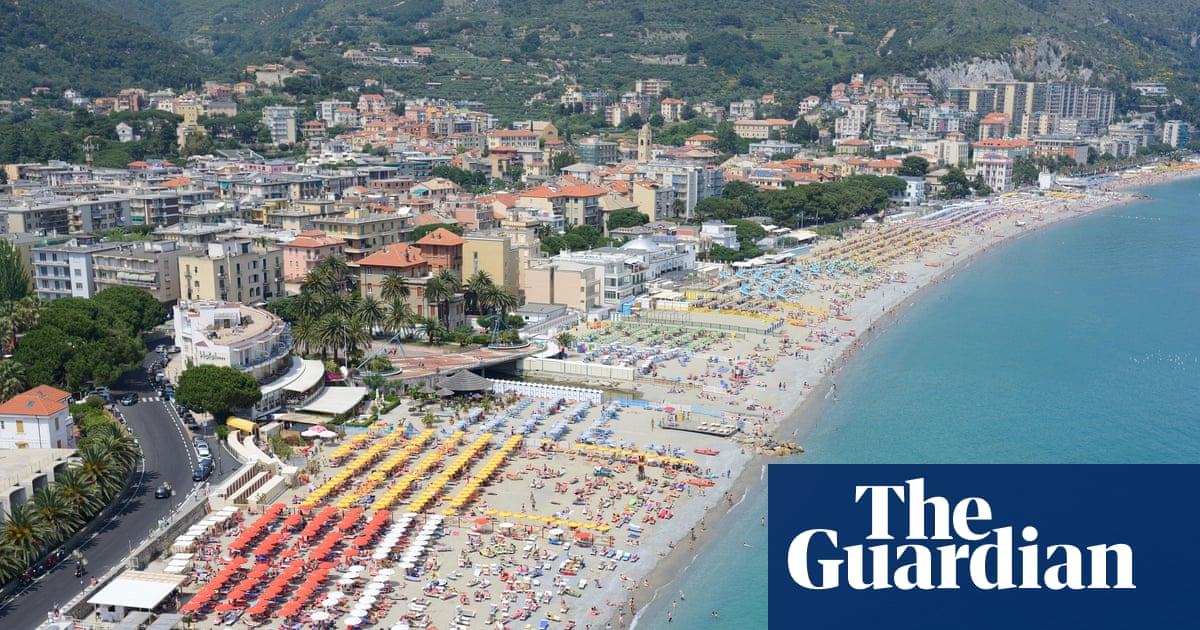
A legal and social confrontation has emerged in the Ligurian town of Spotorno, where a religious order is resisting municipal efforts to revoke its management rights over a local beach club. The dispute centers on Bagni Gino Garrone, a resort operated by nuns from the Suore di Carità di Santa Maria order. Local authorities have designated a fifty-meter section of the shoreline for public bidding, marking a significant shift in how this specific concession is classified and managed under current regulations.
The nuns have held the concession since 1946, operating under exemptions that allowed them to bypass standard commercial rules. Their justification for these privileges has historically been the charitable nature of their operations. Proceeds from renting loungers and umbrellas have traditionally supported social missions, including the funding of an infant school in Spotorno and a summer beach camp for children. The order maintains that while they operate similarly to private businesses, their financial model is dedicated to community welfare rather than profit accumulation.
However, the regulatory landscape has shifted. The specific legal framework that previously governed beach use for social missions no longer exists. Consequently, Mayor Mattia Fiorini informed the religious order that their concession would be reclassified as a free equipped beach. Under this new classification, access to the sand would remain open to all, but revenue generation from rentals would likely decrease significantly. The mayor stated that if the nuns wish to continue managing the site, they must participate in a public tender process, placing them on equal footing with other commercial operators.
The religious order has pushed back against this reclassification. Sister Miranda, an eighty-something nun involved in the management, publicly challenged the mayor’s stance during a local debate. She asserted ownership of the beach and warned that losing the concession would jeopardize the financial viability of their charitable projects, specifically citing the infant school. The nuns argue that operating under the free equipped model would generate considerably less income, undermining their ability to sustain these community services.
This localized conflict reflects a much larger national debate regarding Italy’s coastline management. For twenty years, successive Italian governments have resisted implementing full competition rules for beach concessions. Powerful private owners have lobbied against changes that could threaten their lucrative businesses, leading to prolonged legal and political stalemates. The current administration, led by Giorgia Meloni, has faced mounting pressure from both European Union institutions and domestic court rulings to align national practices with EU law.
The EU’s Bolkestein directive mandates that member states put private beach concessions out to public tender to ensure fair competition. Italy was given a deadline of June 30, 2027, to comply with these regulations. The situation in Spotorno is notable because it may represent one of the first instances where a municipality actively moves to enforce this timeline. By issuing a tender for the beach club, local officials are testing the waters of compliance ahead of the national deadline.
The upcoming public tender is scheduled to be issued in the autumn. This process will determine whether the nuns can retain control of the beach club through competitive bidding or if the concession will transfer to another operator. The outcome could set a precedent for other religious or charitable organizations holding similar concessions along the Italian coast. It also underscores the difficulty of balancing historical privileges with modern regulatory standards.
Observers note that the term holy war has been used by some local press to describe the intensity of the disagreement. While the language is dramatic, the core issue remains administrative and financial. The municipality seeks to standardize beach management in line with regional quotas for free beaches and EU competition laws. The religious order seeks to preserve a model that has supported their charitable work for nearly eight decades.
As the autumn tender approaches, the resolution of this dispute will provide insight into how Italian municipalities navigate the transition to competitive concession systems. It also highlights the practical challenges faced by organizations that rely on commercial activities to fund non-profit goals. The intersection of religious charity, municipal governance, and European regulation continues to create friction along Italy’s popular coastlines.
The broader implications extend beyond Spotorno. If other towns follow this example, many long-standing concessions could face similar reviews. This could lead to widespread changes in how beaches are managed, potentially increasing access for the public while disrupting established business models. The coming months will be critical in determining whether Italy can meet its 2027 obligations without causing significant social or economic disruption.
Sources behind this briefing
Go to the original reporting
- The Guardian US↗Holy water: nuns fight Italian town’s plans to take away their beach club

