The short version
- First-time Jewish voters, heavily influenced by the October 2023 attacks, are skewing significantly toward right-wing and ultra-nationalist parties.
- Far-right figures like Itamar Ben-Gvir are gaining traction, with polls suggesting his party may outperform the historic Labor successor.
- The political center has collapsed, leaving few viable paths for coalitions that include Arab parties or challenge military dominance in security policy.
Israel is approaching national elections on October 27 with a political landscape fundamentally altered by demographic shifts and the lingering trauma of recent conflict. While Benjamin Netanyahu’s current coalition appears unlikely to secure the sixty-one seats required to govern alone, the broader trend points toward a more right-wing Knesset than the current chamber. This shift is not merely a tactical maneuver by established parties but reflects a deep structural change in the electorate, particularly among young Jewish citizens who are voting for the first time.
The scale of this generational turnover is significant. More than half a million Israelis have reached voting age since the last election in 2022. Recent polling indicates that three-quarters of these new Jewish voters identify as right-wing or center-right. This demographic reality stands in stark contrast to global trends, where younger generations typically lean more progressive. In Israel, however, youth are driving the political pendulum toward ethnonationalism and hardline security stances, a phenomenon analysts attribute to their socialization in an environment dominated by populist rhetoric.
The catalyst for this ideological hardening is widely understood to be the collapse of the Oslo peace process era and, more immediately, the Hamas attacks on October 7, 2023. These events, which killed approximately 1,200 people and resulted in a prolonged hostage crisis, have left many young Israelis skeptical of diplomatic solutions. Political observers note that this cohort came of age when the prospect of negotiating a political resolution to the conflict seemed to be fading. Consequently, there is a pervasive sense among these voters that conflict is permanent and that security can only be maintained through military strength rather than compromise.
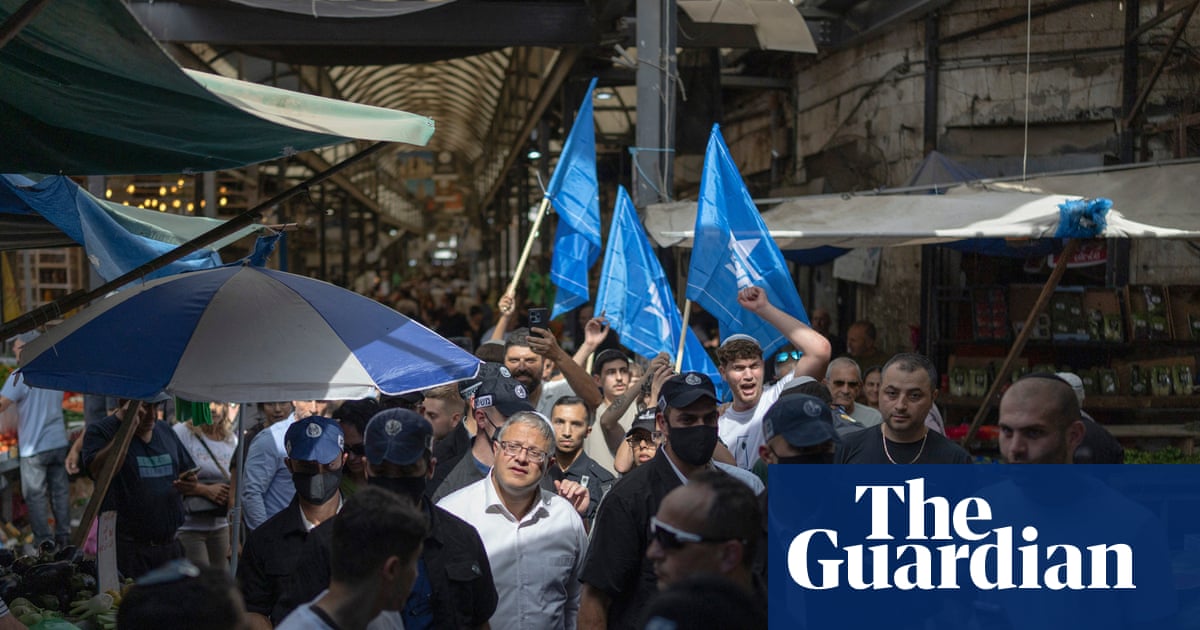
This sentiment has elevated figures who were previously on the fringes of Israeli politics. Itamar Ben-Gvir, the national security minister, exemplifies this trend. At recent rallies, he has combined calls for the expulsion of Palestinians with references to his past convictions for displaying bumper stickers supporting Meir Kahane, an extremist rabbi whose ethnonationalist proposals were once so controversial that legislators passed laws to block him from office. Polls suggest Ben-Gvir’s Jewish Strength party could win nine seats, potentially surpassing the Democrats, the successor to the historic Labor party, which is projected to take eight.
The rise of such figures signals a broader erosion of traditional democratic norms in public discourse. Analysts point out that universal values and human rights are increasingly viewed with suspicion or dismissed as signs of weakness. Few politicians are willing to discuss peace concessions, Palestinian self-determination, or even the wellbeing of Palestinians. Instead, the political debate has narrowed to issues of corruption, accountability for the October 7 failures, education reform, and conscription disputes involving ultra-Orthodox communities. The peace agreements with Jordan and Egypt, once considered vital to national security, are largely absent from contemporary political conversation.
Despite the rightward drift, forming a government remains complex. Netanyahu’s bloc is expected to fall short of a majority, creating an opening for opposition forces. However, the path to power for any alternative coalition is constrained by the new political realities. Most Jewish-led parties have ruled out alliances with Arab parties, which represent Palestinian citizens of Israel, despite such coalitions being mathematically viable. This exclusion limits the options for center-left leaders like Gadi Eisenkot, a former military chief who advocates for a hardline approach to security, including the use of disproportionate force.
The implications of this election extend beyond the immediate composition of the Knesset. The socialization of young voters into an ultra-nationalist framework suggests that the rightward shift may endure even if Netanyahu loses his position as prime minister. The political environment has normalized rhetoric that was once considered extreme, including references to ethnic cleansing and apartheid-like provisions. As the country heads to the polls, the challenge for any future government will be navigating a electorate that is deeply fearful, increasingly polarized, and largely convinced that diplomatic engagement is no longer a viable tool for ensuring national security.
Ultimately, the upcoming vote serves as a referendum on Israel’s post-war identity. The data indicates a clear departure from the centrist politics of previous decades. Whether through direct electoral gains by far-right parties or through the adoption of their platforms by mainstream contenders, the next Knesset is likely to reflect a society that has abandoned hope for a negotiated two-state solution. This transformation poses significant challenges for regional stability and internal cohesion, as the political center continues to shrink and extremist voices gain legitimacy in the public square.
Sources behind this briefing
Go to the original reporting
- The Guardian US↗There’s a lot of racism, a lot of hatred’: Far right gains predicted as Israel heads to the polls