The short version
- Prime Minister Benjamin Netanyahu’s Likud party appears to remain the largest bloc despite losing seats, positioning him to attempt coalition formation first.
- Opposition forces hold a numerical majority but lack a viable path to power without partnering with Arab-led parties, a move many Jewish opposition factions have historically rejected.
- The stalemate risks triggering another election cycle or extending Netanyahu’s tenure as caretaker prime minister while negotiations drag on for weeks.
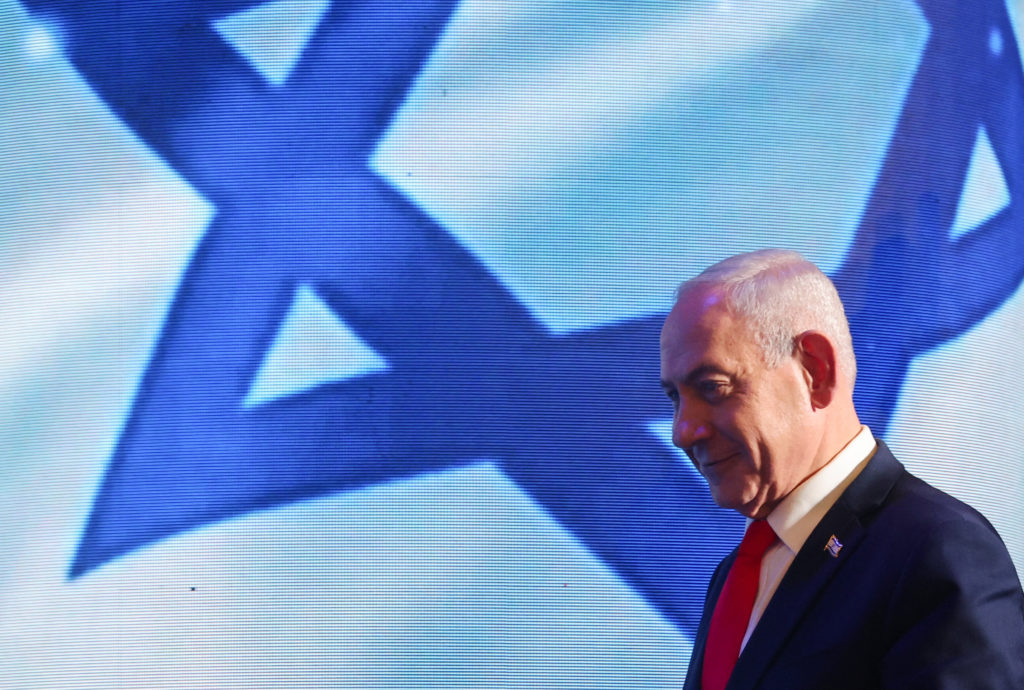
Israelis are navigating a period of intense political ambiguity following an election that failed to produce a decisive victor. The vote, characterized by high turnout, was widely viewed as a critical referendum on Prime Minister Benjamin Netanyahu’s nearly seventeen-year hold on power and a choice between divergent visions for the nation’s future in the wake of the October 7 attacks by Hamas. Initial projections indicate a deeply polarized electorate, with no single bloc securing the sixty-one seats required to form a government in the 120-seat parliament.
Preliminary data suggests that Netanyahu’s right-wing Likud party has seen its representation shrink from thirty-two seats to approximately twenty-seven. His broader coalition of religious and ultranationalist partners also fell short of a majority, dropping from a previous peak of sixty-eight seats. This erosion of support may reflect growing public disillusionment with his leadership, anger over the security failures preceding the October 7 attacks, and controversy surrounding his stance on exempting ultra-Orthodox Jews from military service during ongoing conflicts.
Despite these losses, Likud appears to have emerged as the largest individual party. Under Israeli law, this position grants Netanyahu the first opportunity to attempt forming a governing coalition. He retains significant political leverage, having maintained a substantial base of support even after the deadliest security breach in the country’s history occurred under his watch. Political analysts note his ability to navigate crises that might defeat other leaders, describing him as a skilled operator who can exploit divisions among his opponents.
The opposition faces a complex strategic dilemma. While parties opposing Netanyahu collectively hold a parliamentary majority, this coalition includes Arab-led factions that represent roughly twenty percent of the population. Many Jewish-led opposition groups have historically refused to partner with these parties, viewing such alliances as politically toxic. Gadi Eisenkot, Netanyahu’s main rival and former military chief, would likely need to secure support from Arab-led parties to unseat the prime minister, a move that could alienate other segments of the opposition.
Arab political leaders have framed their participation as a necessary alternative to what they describe as exclusionary politics. Yousef Jabareen, head of the Arab Joint List, emphasized the need for equal partnership between Jewish and Arab citizens. However, distrust remains high following the October 7 attacks and subsequent wars. Netanyahu is expected to capitalize on this sentiment, potentially framing any coalition involving Arab parties as illegitimate or treasonous to undermine his rivals’ efforts.
Without the support of Arab-led factions, Eisenkot and his allies lack a clear path to power. This structural weakness leaves open the possibility of a broad-based unity government that includes Netanyahu, though such an arrangement would be viewed as a betrayal by many voters who campaigned specifically for his removal. The prospect of partnering with the very leader they sought to oust creates a significant political hurdle for the opposition.
The path forward remains fraught with uncertainty. Final official results are expected within days, but the process of forming a government could take weeks or even months. If negotiations fail, Israel may face another round of elections. Such an outcome would further weaken the opposition’s position, as many citizens who traveled to vote this time may not return for a subsequent ballot. Meanwhile, Netanyahu would continue to serve as caretaker prime minister, retaining executive powers and a platform to attack his opponents.
The current stalemate highlights the deep fault lines within Israeli society. The election results reflect not just dissatisfaction with incumbent leadership but also fundamental disagreements over the role of Arab citizens in governance and the direction of national security policy. As negotiations begin, all sides must weigh the costs of compromise against the risks of prolonged instability or renewed electoral contests.
Sources behind this briefing
Go to the original reporting
- PBS NewsHour↗4 takeaways from Israel's inconclusive election