The short version
- Itamar Ben-Gvir posted video evidence of a gallows complex being built for the execution of Palestinians convicted of terror offenses.
- The facility is part of a new law passed earlier this year that mandates death penalties in military courts, a measure critics label discriminatory and illegal.
- International officials from France, Germany, and the United Nations condemned Ben-Gvir’s actions and recent calls for nightly assassinations as violations of human rights.
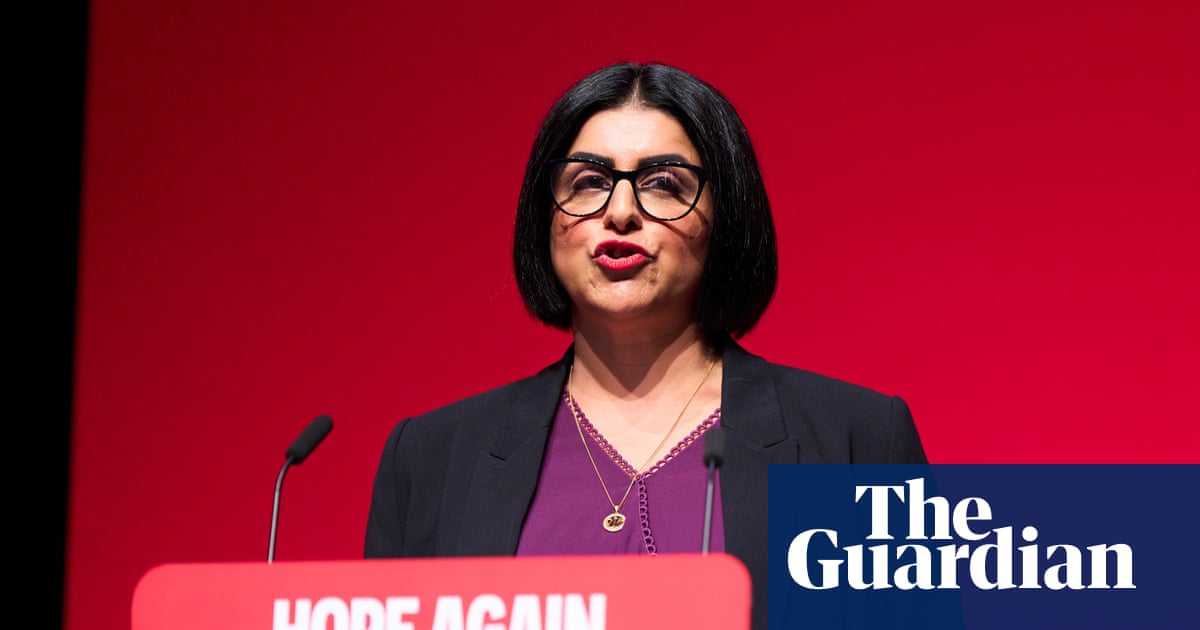
Israel’s National Security Minister Itamar Ben-Gvir has publicly shared video footage documenting the construction of a facility designed for hanging Palestinians. The minister posted the material on social media, showing heavy machinery and foundational work at an unidentified location reportedly near a prison. In the recording, he points to the site and declares that it will serve as the place where individuals convicted of terror offenses are executed. This disclosure marks a tangible step in the implementation of legislation passed earlier this year, which mandates capital punishment for certain crimes within the military court system.
The new law, which Ben-Gvir helped architect, requires military courts to impose the death penalty as the sole sentence for specific terror-related convictions, unless special circumstances warrant life imprisonment. Crucially, the legislation applies only to Palestinians and does not extend to Jewish extremists accused of similar acts. Ben-Gvir stated in the video that he had fulfilled promises to worsen prison conditions for terrorists and to enact the death penalty statute. He noted that the execution site would include viewing booths, allowing families of victims to witness the hangings.
The announcement has intensified scrutiny of Israel’s legal framework regarding Palestinian detainees. Human rights organizations have previously criticized the law for dismantling safeguards against arbitrary deprivation of life and undermining fair trial rights. Amnesty International described the legislation as empowering a system of apartheid maintained by discriminatory laws. The construction of the gallows complex serves as a physical manifestation of these policies, moving them from legislative text to operational reality.
Ben-Gvir’s actions occur against a backdrop of escalating international condemnation. In recent months, he has faced sanctions from France and Ireland, in addition to existing measures imposed by the United Kingdom. His political profile has been further complicated by past convictions for incitement to racism and support for a banned extremist organization. The minister recently drew widespread criticism for advocating nightly targeted killings in Gaza, suggesting that thirty to forty individuals should be assassinated each night regardless of immediate threat levels. He characterized some residents as undeserving of life, remarks that officials have labeled dehumanizing.
Global leaders have responded swiftly to both the video and Ben-Gvir’s recent rhetoric. French Foreign Minister Jean-Noël Barrot described the minister’s comments as unacceptable and inhumane. German Chancellor Friedrich Merz issued a strong condemnation, stating that the appeals violate international law. United Nations Secretary-General António Guterres echoed these sentiments, calling the statements appalling, outrageous, and dangerous. These reactions underscore the growing diplomatic isolation of Ben-Gvir’s positions within the Israeli government and the broader international community.
The controversy extends beyond the proposed executions to wider issues regarding settlement expansion. The video emerged alongside news of new tenders for the E1 settlement block outside Jerusalem. UK Foreign Secretary Ed Miliband denounced this development as an unacceptable act that risks severing the West Bank from East Jerusalem. He summoned Israel’s charge d’affaires to protest, reiterating the UK’s support for a two-state solution as the only path to long-term security. Miliband emphasized that all settlements breach international law and damage prospects for peace.
Ben-Gvir has served as national security minister since 2022, with a brief interruption last year. His tenure has been marked by provocative statements and policies that challenge international norms. The celebration of his recent birthday with a cake featuring an image of a noose highlighted his continued alignment with extremist symbolism. The construction of the gallows site represents a significant escalation in the enforcement of punitive measures against Palestinians, reflecting the influence of far-right elements within the Israeli cabinet.
The situation remains volatile as international pressure mounts. While the Israeli government defends its right to security and judicial sovereignty, critics argue that the selective application of capital punishment violates fundamental human rights principles. The physical progress on the execution site signals a commitment to implementing these controversial laws despite diplomatic backlash. Observers will likely monitor whether further sanctions or legal challenges emerge in response to this development.
As the construction continues, the focus remains on the disparity between how Palestinian and Jewish defendants are treated under Israeli law. The military court system’s authority to impose death penalties exclusively on Palestinians raises questions about equality before the law. International bodies continue to call for adherence to human rights standards, warning that such measures could exacerbate regional instability. The coming weeks may reveal whether diplomatic efforts can curb these policies or if they will proceed as planned.
The revelation of the gallows site underscores the deepening rift between Israel and its international partners. While domestic political forces push for harsher penalties against perceived threats, global leaders emphasize the need for restraint and legal fairness. The video serves as a stark reminder of the human cost of these policies and the ongoing struggle to balance security concerns with ethical obligations. The international community remains divided on how effectively to respond to these developments.
Sources behind this briefing
Go to the original reporting
- The Guardian World↗Israel’s Ben-Gvir posts video of gallows site for hanging Palestinians