The short version
- Prime Minister Benjamin Netanyahu has proposed legislation to strip citizenship from the directors of NAZA, accusing them of treason and spreading lies about Israeli military operations.
- The documentary features anonymous testimony from Israeli soldiers and intelligence officers regarding AI-driven targeting systems used in Gaza, which officials claim are being misrepresented as propaganda.
- While the film received critical acclaim at international festivals, it has sparked violent protests and threats against the filmmakers' families within Israel.
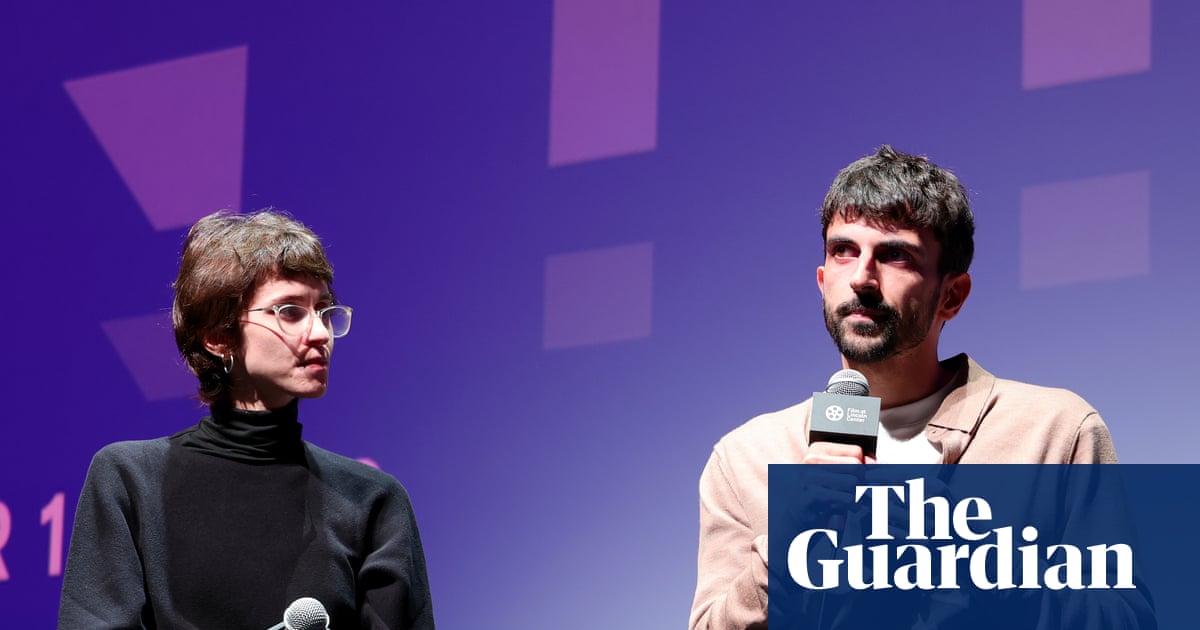
The directors of the documentary NAZA faced escalating political pressure and personal threats following the film's North American premiere in New York City. Yuval Abraham and Rachel Szor, who previously won an Academy Award for their work on the West Bank, defended their findings during a question-and-answer session at Lincoln Center. Their defense came amid a wave of condemnation from Israeli government officials, including Prime Minister Benjamin Netanyahu, who has vowed to introduce laws that would revoke the citizenship of those he accuses of smearing the military.
The controversy centers on the film's content, which relies on the anonymized testimony of twenty-four Israeli soldiers and intelligence officers. These individuals describe the use of artificial intelligence systems to select targets for airstrikes in Gaza. The title NAZA is an acronym used by Israeli intelligence to estimate civilian casualties expected from specific strikes. The filmmakers argue that these systems operate in secrecy, hidden even from the general Israeli public, and that exposing them is necessary because the alleged crimes are ongoing.
Israeli leadership has responded with fierce rhetoric, characterizing the documentary as a direct attack on the state's security apparatus. Netanyahu compared the release of the film to launching ballistic missiles against Israel. He reiterated his intention to advance legislation targeting Abraham and Szor, accusing them of treason. The Prime Minister also used his address at the United Nations General Assembly to denounce critics of Israel's military campaign, calling the war the opposite of genocide despite international agencies labeling it as such.
The backlash extends beyond verbal condemnation to tangible threats against the filmmakers' safety. Right-wing activists have surrounded the home of Szor's parents in central Israel, with some protesters calling for severe punishment for those they view as traitors. The Israeli Defense Forces chief of staff stated that the military would use every available tool to counter what he described as lies and blood libels aimed at making soldiers targets. This hostile environment has created a tense atmosphere for the creators, who feel compelled to protect their sources through anonymity.
Despite the domestic hostility, the film has garnered significant international recognition. It held its world premiere at the Venice Film Festival, where it received a standing ovation lasting twenty-five minutes, setting a festival record. The jury awarded it a special prize, highlighting its artistic and investigative merit. In New York, the screening was produced by The Guardian, which also published earlier reporting that formed the basis of the documentary's narrative structure.
Protests accompanied the New York premiere, with dozens of demonstrators gathering outside the theater. Some carried Israeli flags and signs urging viewers to learn about the October 7 attacks by Hamas. A truck equipped with LED screens circled the venue, displaying messages that labeled the film as propaganda rather than factual journalism. This division reflects the broader polarized discourse surrounding Israel's conduct in Gaza, where more than seventy-three thousand Palestinians have been killed according to current estimates.
Abraham addressed the accusations of bias by emphasizing the historical precedent for confidential sourcing in investigative journalism. He argued that granting anonymity is often essential for pursuing truth when dealing with ongoing state actions. The filmmakers contend that without such protections, they could not have documented the internal mechanisms of the military's targeting decisions. They view their work as a necessary counterbalance to what they describe as systematic efforts by the Israeli government to conceal these operations.
The situation remains fluid as Israel navigates a tense election season focused heavily on the war in Gaza. The proposed legislation to strip citizenship represents a significant escalation in the state's response to dissent. While the film continues to screen internationally, the personal risk for Abraham and Szor has increased substantially. The intersection of artistic expression, national security claims, and international law creates a complex landscape that shows no signs of resolving quickly.
Supporters within Israel's cultural sector have rallied behind the filmmakers. More than fifteen hundred Israeli film professionals and numerous human rights organizations have voiced opposition to the government's threats. This internal dissent highlights the deep fractures within Israeli society regarding the war and its documentation. As the political debate intensifies, the fate of NAZA's creators may become a test case for freedom of expression in times of conflict.
The documentary builds on reporting published between 2023 and 2025 across multiple outlets, including +972 Magazine and Local Call. By synthesizing this earlier work with new testimonies, Abraham and Szor aim to provide a comprehensive view of the decision-making processes behind airstrikes. The film's reception underscores the global interest in understanding the technological and ethical dimensions of modern warfare, particularly when civilian casualties are high.
Sources behind this briefing
Go to the original reporting
- The Guardian US↗NAZA film-makers address threats at documentary’s New York City premiere

