The short version
- Israeli officials have threatened to strip citizenship from directors Rachel Szor and Yuval Abraham for producing a documentary about military operations in Gaza.
- The film, titled NAZA, features anonymous insiders describing the use of artificial intelligence in targeting decisions and the acceptance of high civilian casualty rates.
- Press freedom organizations warn that punishing journalists for exposing alleged misconduct undermines democratic accountability and endangers media workers.
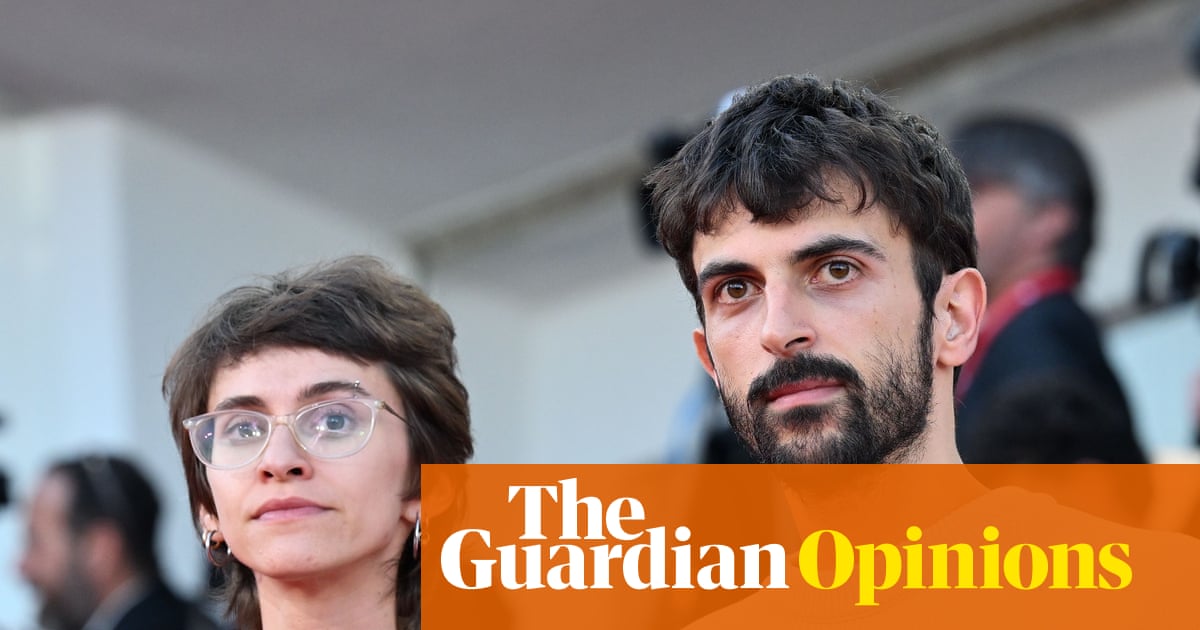
A significant confrontation has emerged between Israeli political leadership and filmmakers Rachel Szor and Yuval Abraham, following the release of a documentary titled NAZA. The film examines the internal workings of the Israel Defense Forces during the military campaign in Gaza that followed the October 2023 attacks by Hamas. Rather than engaging with the allegations presented in the footage, Israeli politicians and military leaders have moved to discredit the work, labeling it as fiction and a blood libel. This response has escalated to threats of stripping the directors of their citizenship on charges of treason.
The documentary draws its material from interviews with twenty-four anonymous insiders who served within the military apparatus. These individuals describe a system reliant on artificial intelligence for targeting decisions, which they claim facilitated a bureaucratic distance that normalized extreme violence. The acronym NAZA itself is used by the military as a euphemism for collateral damage, reducing potential civilian fatalities to numerical data points associated with specific targets. The filmmakers argue that this process allows morality to disappear up the chain of command before an operator approves a strike.
The accounts provided in the film suggest that many of those involved did not speak out from a place of remorse. Some insiders expressed pride in their roles, with one recalling the intense excitement involved in planning airstrikes. Crucially, these descriptions indicate that the military accepted large numbers of Palestinian casualties as an acceptable cost for eliminating individual Hamas operatives. When civilian deaths reach into the hundreds for a single enemy combatant, the principle of proportionality appears to shift from a rigorous military assessment to a justification for mass death.
The human toll described in the documentary aligns with broader casualty figures reported during the conflict. More than 73,000 Palestinians have been killed in the Israeli military campaign, including more than 20,000 children. The film portrays the individuals behind these operations as polite, educated members of Israel’s liberal middle class, similar to the directors themselves. These subjects built and operated systems that predicted high civilian death tolls yet convinced themselves that responsibility for innocent deaths lay elsewhere in the hierarchy.
The controversy surrounding NAZA has become a focal point in Israel’s ongoing election campaign, with politicians weaponizing the issue to outflank rivals on the right. Prime Minister Benjamin Netanyahu has seized on the backlash to threaten anyone who defames Israeli soldiers with loss of citizenship. This approach contrasts sharply with the government’s stated commitment to democratic accountability and the rule of law. By attacking journalists rather than investigating alleged crimes, leaders expose a leadership frightened of the evidence presented by independent scrutiny.
The allegations in the documentary build upon revelations first published between 2023 and 2025 by several outlets, including the Israeli-Palestinian publication +972 Magazine, the Hebrew-language outlet Local Call, and The Guardian. Despite these prior reports, the current response from Israeli authorities appears to be an effort to silence further inquiry. Ominously, Israel’s domestic intelligence service may be involved in a leak investigation related to the film’s production. This involvement raises concerns about the state turning its security apparatus against media professionals.
The personal safety of the filmmakers is now a matter of serious concern. Far-right activists have targeted their families with threats, creating an environment where returning to Israel could place the directors’ lives in danger. The Committee to Protect Journalists and ten other press-freedom groups have issued warnings that Israel must protect its journalists and filmmakers rather than branding them as traitors. These organizations argue that pointing a mob toward those who expose power undermines the fundamental principles of a free press.
The situation highlights a broader tension between national security claims and the right to independent review of military conduct. If Israeli leaders insist that the actions of their armed forces are beyond scrutiny, it challenges the notion of democratic oversight. A democracy that values life would presumably investigate the claims made in the film rather than punishing those who bring them to light. The current trajectory suggests a move toward making an example of the directors, setting a precarious precedent for future journalistic inquiry into state actions.
As the political debate intensifies, the practical significance of this conflict extends beyond the immediate fate of Szor and Abraham. It raises questions about how democracies handle dissent and criticism during times of war. The use of legal threats and public vilification to suppress uncomfortable truths risks eroding trust in institutions and silencing vital perspectives. The coming weeks will likely reveal whether the government’s stance hardens further or if space remains for accountability and open discussion regarding the conduct of the war.
The international community watches closely as this dispute unfolds, noting the potential implications for press freedom globally. The response to NAZA serves as a test case for how states balance security concerns with the need for transparency. If journalists are punished for exposing alleged misconduct, it sets a dangerous precedent that could deter future investigations into military operations. The outcome will have lasting effects on the relationship between the media, the state, and the public’s understanding of conflict.
Sources behind this briefing
Go to the original reporting
- The Guardian US↗The Guardian view on NAZA’s persecuted directors: journalism is not treason | Editorial

