The short version
- Leading Israeli candidates Benjamin Netanyahu and Gadi Eisenkot have centered their campaigns on ending Hamas rule while largely ignoring the humanitarian emergency in Gaza.
- Displaced Palestinians express deep pessimism, viewing the election as a competition over harshness toward Gaza rather than a genuine opportunity for peace or improved living conditions.
- The territory faces worsening food shortages and suspended commercial deliveries, with residents fearing that any new government will continue policies of displacement and destruction.
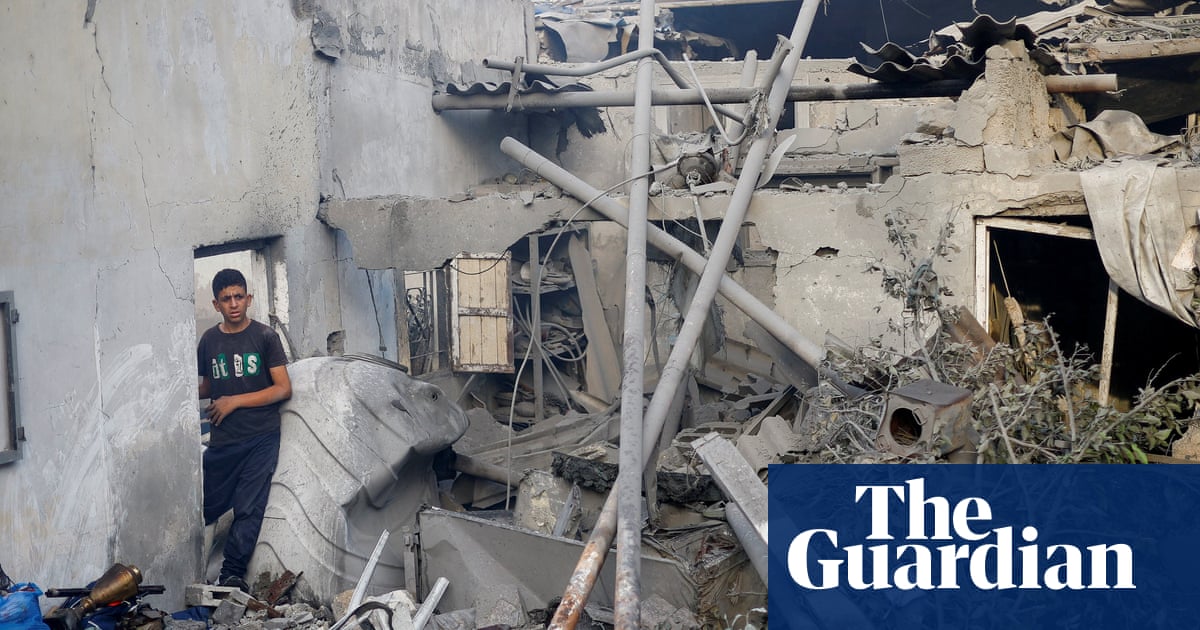
As Israel approaches the ballot box, the fate of Palestinians in Gaza remains largely absent from the political discourse dominating the campaign trail. Nearly three years of conflict have reduced much of the territory to rubble and resulted in approximately 75,000 deaths, yet the humanitarian catastrophe unfolding just across the border has received minimal attention from the primary contenders. Instead, both Benjamin Netanyahu’s far-right coalition and Gadi Eisenkot’s opposition Yashar party have focused their rhetoric on the objective of dismantling Hamas following the October 7 attacks and the subsequent trauma inflicted on Israeli society.
The lack of a clear post-war vision for Gaza has left displaced residents bracing for an outcome that may offer little relief. Neither Netanyahu nor Eisenkot has presented a detailed plan for the territory’s future beyond the shared goal of ending Hamas governance. Both leaders have also expressed support for Donald Trump’s controversial peace proposal, further complicating expectations for a distinct shift in policy. For Palestinians living in dire sanitary conditions with limited access to water and medical care, this political convergence suggests that their suffering has become secondary to domestic electoral strategies.
Gadi Eisenkot, the former military chief whose party currently leads Netanyahu’s Likud in polling data, has pledged to restore Israel’s international standing after years of war. However, his record as a senior commander during the 2006 conflict with Hezbollah and his advocacy for the Dahiya doctrine—which emphasizes overwhelming force against civilian areas hosting militants—have raised concerns among critics. These observers argue that the strategies Eisenkot championed have been mirrored in Gaza’s widespread destruction, leading some to characterize the resulting devastation as potential war crimes. Despite his promises of diplomatic rehabilitation, Eisenkot remains a hawkish figure whose family suffered losses during the conflict, including his son and two nephews.
In contrast, Netanyahu has continued to highlight military operations and the elimination of Palestinian combatants as key achievements. This approach has reinforced the perception among Gazans that Israeli leadership views the territory primarily through a security lens rather than a humanitarian one. Sami Abu Rumi, a 47-year-old resident displaced from Rafah to al-Mawasi in Khan Younis, noted that while he hopes for a government less inclined toward killing and displacement, the fundamental thinking of Israeli administrations appears largely unchanged. He described the current situation as one where Gaza’s suffering serves merely as campaign fodder for rivals competing over who can adopt the toughest stance.
The Arab-led Joint List party has attempted to inject a different narrative into the election by airing a video featuring drone footage of Gaza’s ruins. The clip highlights the normalization of destruction, with a voiceover questioning how tens of thousands of deaths and the transformation of cities into wastelands can be treated as ordinary events. The party vows not to remain silent and positions itself as offering life rather than further devastation. However, the likelihood of Arab parties joining an Eisenkot-led coalition is considered extremely low, limiting their potential influence on policy from within a government structure.
For those living in Gaza, the immediate struggle for survival overshadows political analysis. Markets are running short of fresh produce and essential goods, with commercial deliveries suspended for approximately a week. This disruption has driven up prices significantly; flour now costs more than three times its previous rate. With dwindling humanitarian aid, families face increasing vulnerability to another severe food crisis. Most residents are too preoccupied with securing basic necessities to follow the election campaign closely, though fears of renewed hunger mount as supplies dwindle.
Despite the general disengagement from political news, some individuals monitor the election out of fear rather than hope. Karim Mareesh, a 43-year-old resident, shared that a friend postponed his son’s wedding until after the vote due to concerns that a far-right government victory might trigger a resumption of hostilities. The decision reflects a broader anxiety about losing hard-won stability, including temporary shelter and saved resources for future milestones. Such personal sacrifices underscore the precariousness of life in Gaza, where uncertainty looms large over every aspect of daily existence.
Pessimism runs deep among displaced Palestinians, who view the election as a contest over harshness rather than a genuine opportunity for change. Haneen Hamdouna, a 45-year-old from Beit Lahia now residing in al-Mawasi, expressed doubt that any candidate genuinely cares about Gaza’s interests. She recalled past disappointments where incoming governments proved worse than their predecessors, noting that even minor concessions, such as allowing slightly more aid trucks into the territory, would not constitute meaningful improvement. For many, the prospect of a better future remains elusive amidst shattered concrete and bomb craters.
The election outcome will likely shape the next phase of Israel’s engagement with Gaza, but current indications suggest continuity rather than transformation. Whether Netanyahu retains power or Eisenkot assumes leadership, the focus on defeating Hamas appears set to persist, potentially at the expense of addressing the humanitarian needs of civilians. As markets empty and aid flows stagnate, residents continue to navigate a landscape defined by loss and uncertainty. The coming days will reveal which leader takes office, but for those in Gaza, the immediate challenge remains securing food, water, and safety in an environment where hope is scarce and survival is a daily struggle.
Sources behind this briefing
Go to the original reporting
- The Guardian US↗‘Gaza’s suffering has become campaign fodder’: Palestinians fear the worst from Israel election