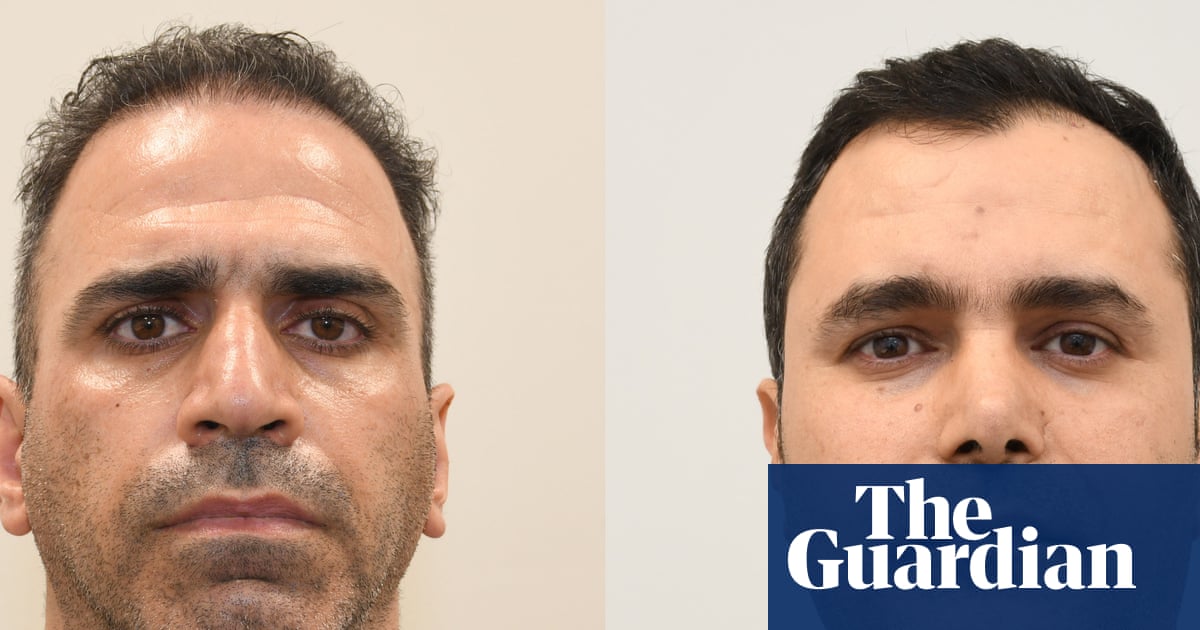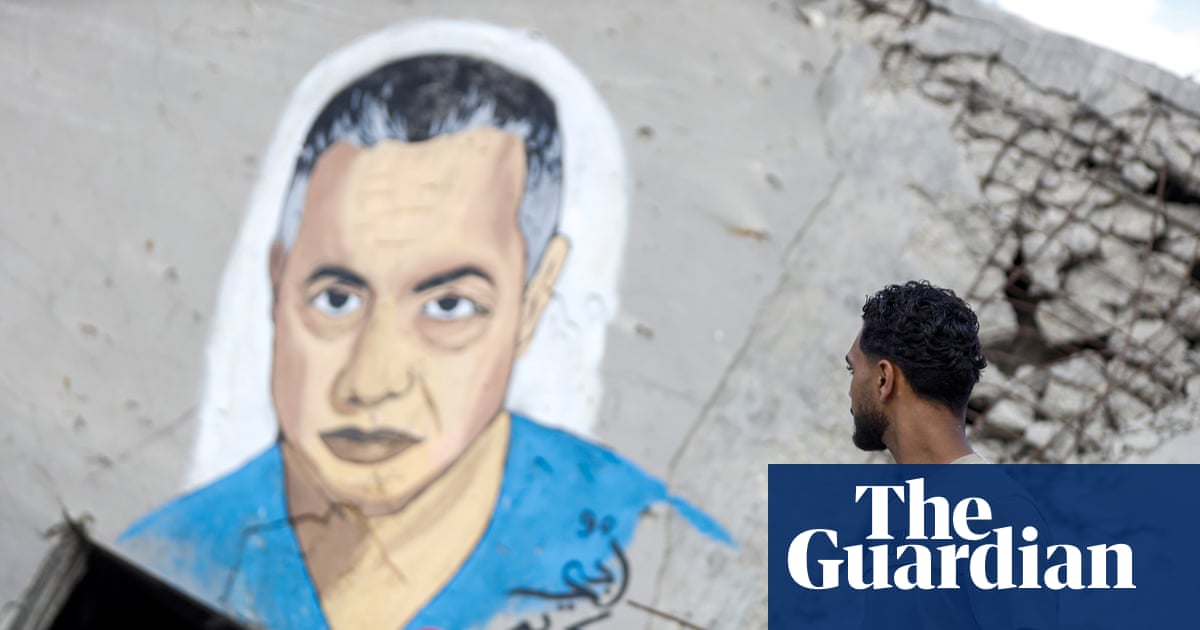
The short version
- A district court rejected a petition for an independent medical examination of Hussam Abu Safiya, despite warnings from a specialist about his deteriorating health.
- Medical records reviewed by an independent professor indicate significant weight loss and untreated injuries that authorities have not adequately investigated.
- Abu Safiya remains detained without formal charges under the designation of unlawful combatant, joining hundreds of other medical workers held indefinitely.
An Israeli district court has refused to allow an independent medical examination for Hussam Abu Safiya, a prominent Gaza doctor who has been held in detention without charge for nearly twenty-three months. The ruling comes amid escalating concerns from health professionals regarding the physician’s physical condition and the adequacy of care provided within the prison system. While the Israeli Supreme Court previously rejected a petition for his release last month, this latest decision blocks external scrutiny of his medical status, leaving questions about his well-being unresolved.
Abu Safiya was arrested at his workplace on December 27, 2024, and subsequently transferred to Rakefet, an underground facility known for its harsh conditions. He has been held in solitary confinement since his detention. Authorities have classified him as an unlawful combatant, a legal designation Israel employs to justify prolonged incarceration without trial. This status applies to Abu Safiya along with more than three hundred seventy-five other medical workers from Gaza who remain imprisoned without formal charges.
Prof Amit Tirosh, an independent Israeli specialist, reviewed medical records obtained by Physicians for Human Rights Israel and expressed grave concern about the doctor’s survival prospects. According to Tirosh, Abu Safiya’s weight dropped significantly from ninety kilograms in January 2025 to seventy-six kilograms by May of that year. The specialist noted that such substantial weight loss, combined with reports of repeated beatings and inadequate medical attention, creates a life-threatening situation.
The medical file reveals several untreated conditions that warrant urgent evaluation. Tirosh pointed out delays in treating scabies and insufficient investigation into chest pain reported by the detainee. Additionally, hemoglobin levels fell between February and July 2026, a decline that coincided with alleged incidents of physical abuse at Rakefet. The specialist argued that detention conditions alone cannot explain this drop in blood markers, suggesting potential internal injuries that require emergency room assessment.
Prison medical staff appear to have dismissed the severity of these symptoms. One physician documented the weight loss as a common trend among security prisoners associated with their diet, rather than flagging it as a critical health issue. Tirosh criticized this approach, stating that the lack of concern from prison doctors betrays fundamental medical and ethical principles. He emphasized that refusing an independent examination is never justified when such troubling findings exist in official records.
Israeli authorities have contested the narrative presented by human rights groups. In the district court ruling, officials alleged that Abu Safiya exaggerated his medical problems to gain leverage. They claimed he used his position to set up organizations from within prison, influence other detainees, and maintain international contacts. These assertions were used to argue against granting him an independent medical review, which Physicians for Human Rights Israel maintains is a right protected by law.
The detention of Abu Safiya carries symbolic weight beyond his individual case. Before his arrest, he served as the director of Kamal Adwan Hospital in northern Gaza and became a visible figure representing healthcare workers struggling to operate under siege. At the time of his capture, he was wearing a white coat that had not been washed since his son was killed by a drone strike at the hospital entrance. His family has been unable to communicate with him directly during his incarceration.
Human rights advocates argue that the indefinite detention of medical professionals exacerbates the crisis in Gaza’s healthcare system. Naji Abbas of Physicians for Human Rights Israel noted that fourteen Palestinian doctors, including specialists and hospital directors, remain imprisoned without charge. These individuals are needed urgently to treat patients in a region where medical infrastructure has been severely damaged by ongoing military operations.
The Israeli Prison Service declined to provide immediate comment on the specific allegations regarding Abu Safiya’s treatment. A spokesperson stated that claims against the prison system are part of a broader campaign aimed at discrediting the state and affirmed that operations comply with legal standards under judicial oversight. As the case stands, Abu Safiya remains in custody without a timeline for release or formal charges, while independent experts continue to warn of the risks posed by his untreated medical conditions.
The refusal to permit an external medical review leaves a gap in accountability regarding the treatment of detainees classified as unlawful combatants. While Israeli courts have maintained that current oversight is sufficient, critics argue that independent verification is essential to ensure compliance with international standards of care. The situation highlights broader tensions between security protocols and humanitarian obligations in the context of prolonged conflict.
Sources behind this briefing
Go to the original reporting
- The Guardian World↗Fresh concerns raised over Gaza doctor held by Israel for 23 months without charge