The short version
- Israel announced operational control over Ali Taher hill, a key strategic site in southern Lebanon, despite ongoing airstrikes and conflicting reports on the ground.
- Hezbollah has refused to hand over the territory to the Lebanese army, fearing it would facilitate further Israeli territorial gains rather than support disarmament.
- The dispute threatens to destabilize the fragile ceasefire brokered by the United States and complicates broader diplomatic efforts involving Lebanon and Iran.
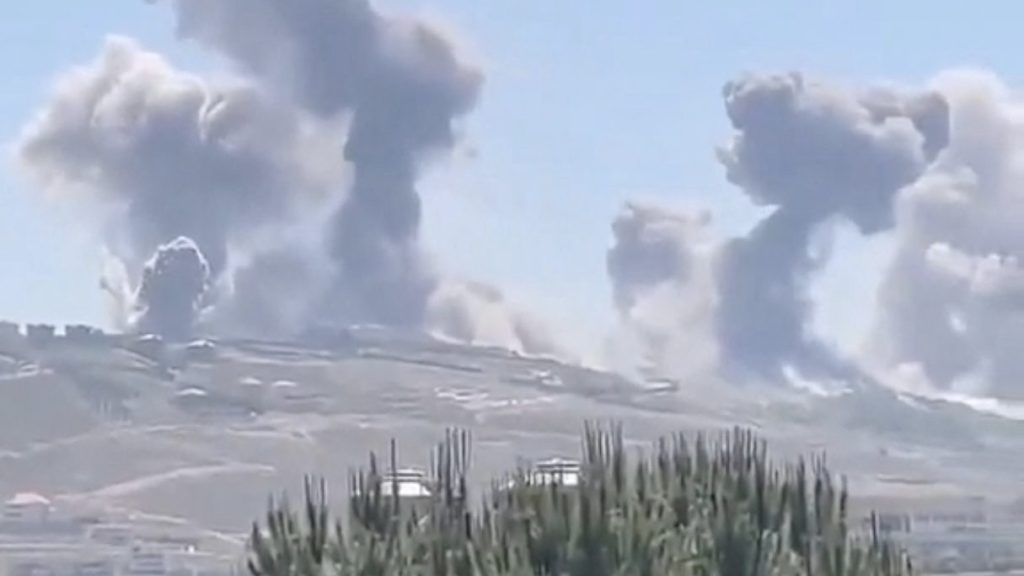
More than two months after a ceasefire agreement halted widespread hostilities between Israel and Hezbollah, intense fighting continues on a specific strategic elevation in southern Lebanon. The Israeli military announced late Thursday that it has established operational control over Ali Taher hill, a location overlooking the city of Nabatiyeh and several surrounding villages. This claim comes amid daily shelling and airstrikes by Israeli forces, as well as drone attacks launched by Hezbollah fighters in the area.
The significance of Ali Taher extends beyond its geographical position; it serves as a critical node for Hezbollah’s military infrastructure. According to Israeli statements, the hill houses extensive underground networks, including command centers, weapons storage facilities, generators, and living quarters funded by Iran. The Israeli military stated that it has cleared the site of fighters and is now working to neutralize these subterranean assets. Control of this terrain would significantly disrupt Hezbollah’s supply lines and operational presence in the region.
However, the extent of Israel’s control remains uncertain and contested. Just prior to the announcement, Lebanese state media reported that Israeli air forces were still targeting the hill. An Associated Press photographer visiting a nearby village on Friday observed no visible signs of Israeli military presence on the ground. Hezbollah legislator Ihab Hamadeh questioned the validity of Israel’s claim, pointing out the continued bombardment as evidence that the area is not fully secured.
The conflict over this single hill highlights broader disagreements regarding the implementation of the ceasefire framework agreed upon in June. The United States, which mediated the talks, had proposed that Hezbollah hand over Ali Taher to the Lebanese army as part of a larger plan to disarm the militant group and dismantle its infrastructure north of the Litani River. Hezbollah has firmly rejected this proposal, arguing that surrendering the hill to Lebanese forces would simply allow Israel to seize it later and demand further territorial concessions.
Hezbollah officials have attempted to downplay the strategic importance of the site while acknowledging its value. Mahmoud Qamati, a Hezbollah official, told a Lebanese podcaster in late August that fighters were repelling Israeli attempts to take the hill. He noted that while Ali Taher is important, losing it would not mark the end of the organization’s capabilities. This stance reflects a broader refusal by the group to disarm in areas north of the Litani River, which has become the de facto boundary of Israeli-held territory since the war escalated in early March.
Tensions have spiked in recent weeks with retaliatory strikes that have tested the durability of the truce. In mid-August, Israel conducted a series of airstrikes killing 11 people, including women and children, describing them as retaliation for a Hezbollah drone attack that seriously wounded three Israeli soldiers. These strikes were the deadliest since the ceasefire took effect in late June. Another round of airstrikes on August 27 killed one person and wounded six after Israel accused Hezbollah of firing explosive drones at troops in the area, though Hezbollah did not claim responsibility for these specific attacks.
Lebanese political figures have expressed frustration with the stalemate. Deputy Prime Minister Tarek Mitri stated in late August that the Lebanese army was ready to assume control of Ali Taher but accused Israel of blocking this move due to domestic political considerations ahead of national elections scheduled for October 27. He argued that the obstacle lies not with Lebanese readiness but with Israeli strategic positioning.
The situation carries implications beyond Lebanon’s borders, potentially complicating efforts to resolve wider regional conflicts involving Iran. A full-scale battle over Ali Taher could escalate unrest across Lebanon and undermine diplomatic progress. Officials from Lebanon and Israel are scheduled to meet in Rome later this month for negotiations, but the dispute over this hill remains a significant hurdle. The Israeli occupation of Ali Taher previously lasted 18 years before its withdrawal in 2000, adding historical weight to the current contest for control.
As both sides continue to maneuver around this strategic point, the international community watches closely. The United States remains engaged in mediation efforts, seeking to prevent a return to full-scale war. However, without a clear resolution regarding the disarmament of Hezbollah and the handover of territory, the ceasefire remains fragile. The coming weeks will likely reveal whether diplomatic channels can address these entrenched military disputes or if the hill will remain a flashpoint for renewed violence.
Sources behind this briefing
Go to the original reporting
- PBS NewsHour↗Months after ceasefire, Israel and Hezbollah battle over a strategic hill in Lebanon

