The short version
- At least fifteen vessels have been struck in the Strait of Hormuz over ten days, causing a sharp decline in transit volumes and pushing Brent crude prices near $108.
- Rumors of valuable cargo from sunken containers led to scavenging by local fishers, though officials warn that saltwater damage likely renders such goods unusable.
- Experts highlight severe ecological risks from oil spills and acoustic disturbances, even as Iranian leadership calls the environmental damage a form of ecocide requiring international solutions.
The Strait of Hormuz has become a focal point of escalating maritime conflict, with at least fifteen vessels struck in the waterway over a ten-day period. These attacks, attributed to Iranian forces, have utilized drones, mines, and rocket-propelled grenades against container ships and oil tankers. The intensity of these strikes appears to be reinforcing Tehran’s disputed authority over the critical chokepoint, which handles a significant portion of global oil shipments. Consequently, market reactions have been swift, with Brent crude oil prices climbing close to $108 per barrel as traders assess the growing risk to supply chains.
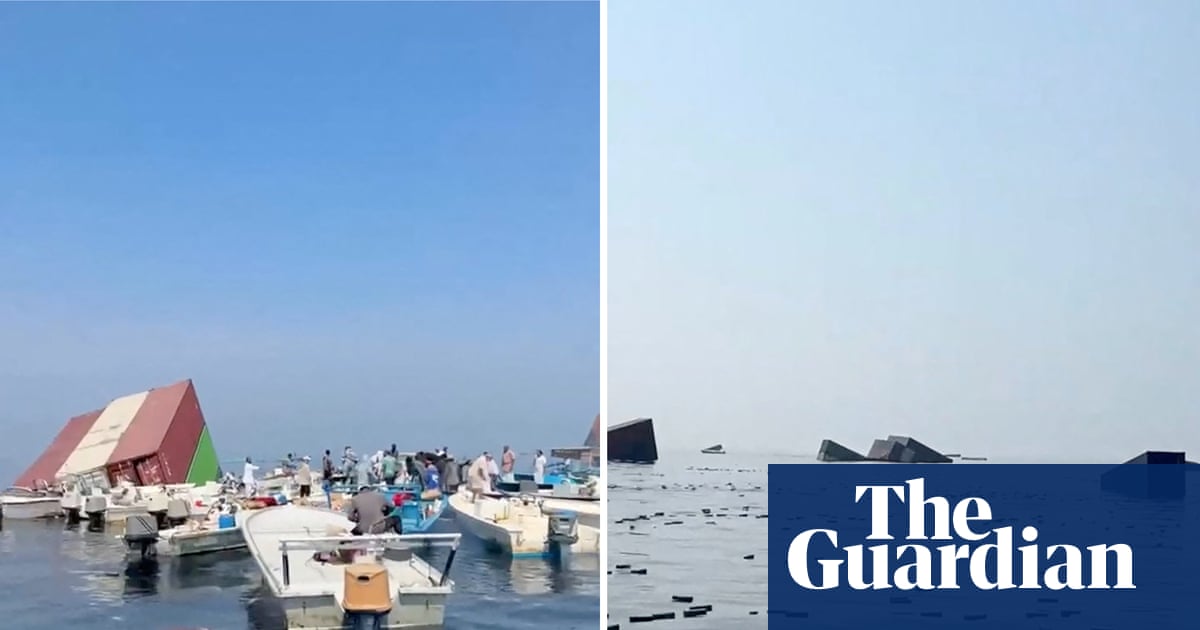
The nature of the attacks has varied, targeting both commercial cargo and energy transport. Recent incidents include a container ship traveling from Karachi to Fujairah that sank after striking a mine, resulting in the evacuation of its twenty-one crew members without reported injuries. Dozens of containers from this vessel were observed floating in the water. Additionally, two oil tankers were hit recently, including a supertanker carrying approximately two million barrels of oil. While Iranian state media published video footage suggesting one tanker was burning, independent verification of these specific claims remains unavailable.
The sinking of the container ship triggered widespread rumors on social media that the lost cargo included high-value electronics such as smartphones. These claims were amplified by artificially generated images circulating online, prompting local fishers and others to scour the area for salvageable goods. Reports indicate that Arab boatmen arrived at the scene before Iranian authorities, using cutting tools to open containers and retrieve items. However, Iranian officials have cautioned against these efforts, noting that exposure to saltwater and humidity would likely cause severe corrosion and internal damage to any electronic devices found.
Authorities in Iran have moved to curb the scavenging activity, with the Islamic Revolutionary Guard Corps ordering local fishers not to pillage the sea for luxury items, asserting that such goods are state property. A spokesperson for the Iranian mobile association added that it is highly unusual for valuable phones to be transported via maritime shipping routes. Despite these warnings and orders, the allure of potential salvage has drawn significant attention to the site, complicating recovery efforts and raising questions about the actual contents of the lost containers.
The frequency of attacks has severely impacted maritime traffic in the region. According to the UK Maritime Trade Operations agency, vessel transits through the strait dropped by approximately seventy percent compared to pre-conflict levels during the week leading up to mid-October. The majority of recent incidents have occurred near the coast of Oman, a route that Iranian authorities consider unauthorized. The IRGC has stated it reserves the right to attack any ship traversing the strait without permission or with transponders disabled, further contributing to the uncertainty and danger faced by commercial operators.
Beyond the immediate economic and security implications, the attacks pose significant environmental threats. Dr. Devaraj Asir Ramesh of Anna University in India warned that the region’s marine habitats are at risk from toxic debris, oil spills, and acoustic disturbances. He noted that hydrocarbons from strikes on tankers could contaminate seagrass beds, while loud noises from explosions may cause auditory damage to cetaceans such as dolphins and porpoises. These factors collectively impair biodiversity, fisheries, aquaculture, desalination processes, and eco-tourism in the area.
Iranian President Masoud Pezeshkian has framed the environmental degradation as a consequence of broader regional conflicts, describing it as ecocide or environmental genocide that requires international solutions. He argued that nations subjected to sanctions or military aggression should not bear the financial burden for environmental damage resulting from conflicts they did not initiate. This stance comes amid renewed diplomatic activity, including a visit by Russian Foreign Minister Sergei Lavrov to Tehran, where he offered to mediate between Iran and the United States regarding nuclear issues.
Diplomatic efforts to resolve the standoff remain fragile. Iran has proposed opening the strait within six days in exchange for sanctions relief, while Russia has offered to take custody of Iran’s stockpile of highly enriched uranium. However, Iran has shown reluctance to make firm commitments on its nuclear program, and no agreement has been reached. The US president has insisted that the nuclear issue must be addressed before any threats of military action are lifted, leaving the region in a state of heightened tension with uncertain prospects for de-escalation.
Sources behind this briefing
Go to the original reporting
- The Guardian World↗Strait of Hormuz scoured for spilt cargo after Iran attacks container ships