The short version
- Iran's supreme national security council leader warned that neighboring countries joining US economic isolation efforts would be treated as enemies.
- Washington has intensified sanctions and naval blockades while President Trump repeatedly characterized the Strait of Hormuz as American territory.
- France and Saudi Arabia are coordinating alternative energy logistics to reduce reliance on contested waterways amid the ongoing conflict.
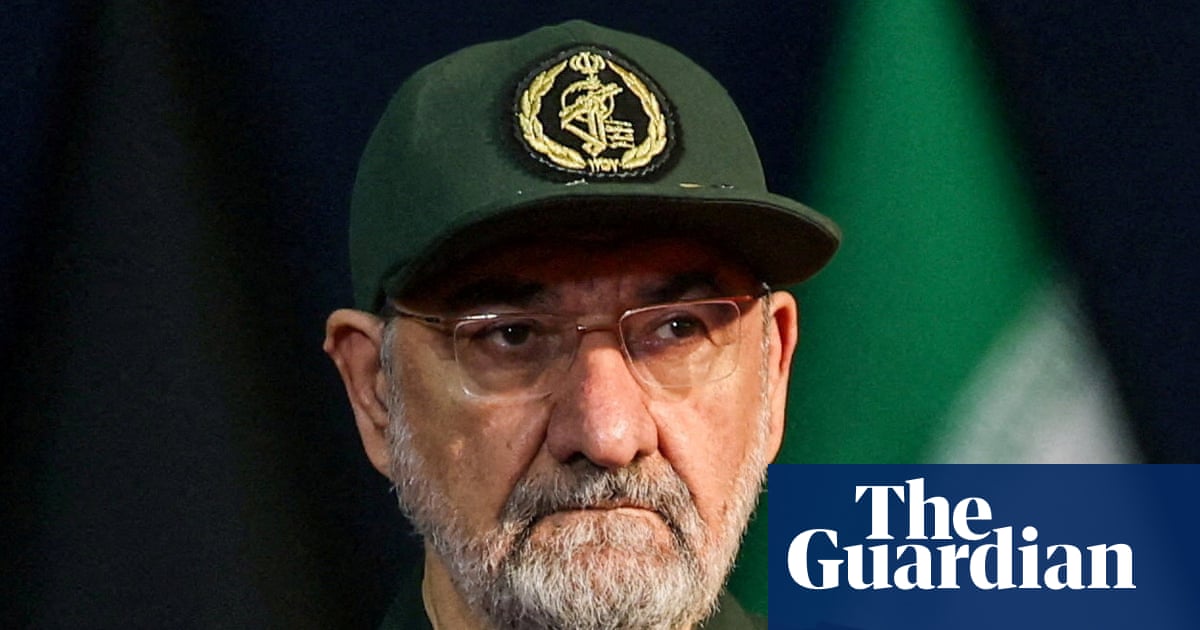
Tensions in the Middle East have escalated sharply following a stark warning from Iran’s newly appointed head of the supreme national security council. Mohsen Rezaei, a hardline figure who previously commanded the Islamic Revolutionary Guard Corps during the war with Iraq, stated that any neighboring nation participating in what he termed an American-led economic war against Tehran would be designated as an enemy. In his first extensive public remarks since taking office this month, Rezaei indicated that Iran would target the commercial interests of such countries and disrupt oil shipping routes outside the Strait of Hormuz.
The threat emerges as the United States intensifies its campaign to isolate Iran’s economy, a strategy that has gained momentum despite the collapse of a ceasefire agreement signed in June. President Donald Trump has announced new measures aimed at imposing severe economic consequences on any country engaging with Tehran. This approach marks a significant shift in Washington’s posture, moving beyond military posturing to a comprehensive financial squeeze designed to cripple Iran’s ability to fund its operations and sustain its domestic economy.
Central to this escalation is the status of the Strait of Hormuz, a critical waterway through which approximately one-fifth of global oil supplies flowed before the conflict began. Iran currently controls the strait, having secured it after earlier diplomatic efforts failed. In response, President Trump has repeatedly suggested that the United States should declare the strait an American territory, arguing that the naval blockade effectively places it under US control. He shared maps and comments on social media reinforcing this view, framing the waterway not as international space but as a zone of American jurisdiction.
Rezaei’s response to these claims was direct and ominous. He noted that while Iran has thus far limited its strikes to military bases, it possesses additional leverage. Specifically, he warned that if economic sanctions continue or intensify, Iranian forces would target American oil companies and other economic interests operating in the region. This represents a potential expansion of the conflict’s scope, moving from traditional military engagements to attacks on commercial infrastructure and corporate assets.
The regional reaction to these developments has been mixed but increasingly cautious. The United Arab Emirates, one of Iran’s major trading partners, recently suspended all trade and financial transactions with Tehran indefinitely. This move aligns with US pressure but also reflects the growing uncertainty surrounding regional stability. Other nations are weighing their options carefully, aware that alignment with Washington could provoke Iranian retaliation, while neutrality might invite American sanctions.
China, another key strategic partner of Iran, has criticized the US initiative, arguing that unilateral sanctions will not resolve the underlying conflict in the Middle East. Beijing’s stance highlights the diplomatic rift between Western powers and major Asian economies regarding the best path forward. While Washington seeks to isolate Tehran through financial means, other global powers remain skeptical about the efficacy of such measures in achieving lasting peace or security.
In parallel with these geopolitical maneuvers, efforts are underway to develop alternative energy logistics that bypass the contested strait. French President Emmanuel Macron and Saudi Crown Prince Mohammed bin Salman are expected to discuss plans for new trade routes during an upcoming visit to Paris. Proposals include expanding pipelines within Saudi Arabia, increasing trade through Omani ports outside the Gulf, and establishing new rail links. A joint taskforce on energy and logistics is scheduled to meet at the ministerial level to identify strategic projects and secure financing.
These developments underscore a broader shift in how regional powers are responding to the prolonged conflict. With no clear resolution in sight after six months of hostilities, stakeholders are prioritizing economic resilience and alternative supply chains. The combination of Iranian threats, American territorial claims, and diplomatic realignments suggests that the region is entering a new phase of instability, where economic warfare and infrastructure competition may become as significant as military engagements.
As discussions continue between Oman and Iran regarding the management of waterways and potential fees, the situation remains fluid. The interplay between military threats, economic sanctions, and diplomatic negotiations creates a complex landscape with no immediate resolution in view. Observers note that the actions of both Washington and Tehran are likely to have far-reaching implications for global energy markets and international relations in the coming months.
Sources behind this briefing
Go to the original reporting
- The Guardian US↗Iran’s new security chief says neighbours who join US economic war will be considered ‘enemies’

