The short version
- State media reports indicate over 600,000 Iranians have registered for military training, with hundreds of thousands participating in rallies across Tehran to demonstrate national unity.
- The mobilization effort coincides with intensified naval tensions, including a reported attack on an oil tanker in the Strait of Hormuz and continued disruptions to global energy shipments.
- Security officials signal that these volunteer forces will augment existing paramilitary units, raising concerns about increased capacity for internal repression following previous deadly crackdowns.
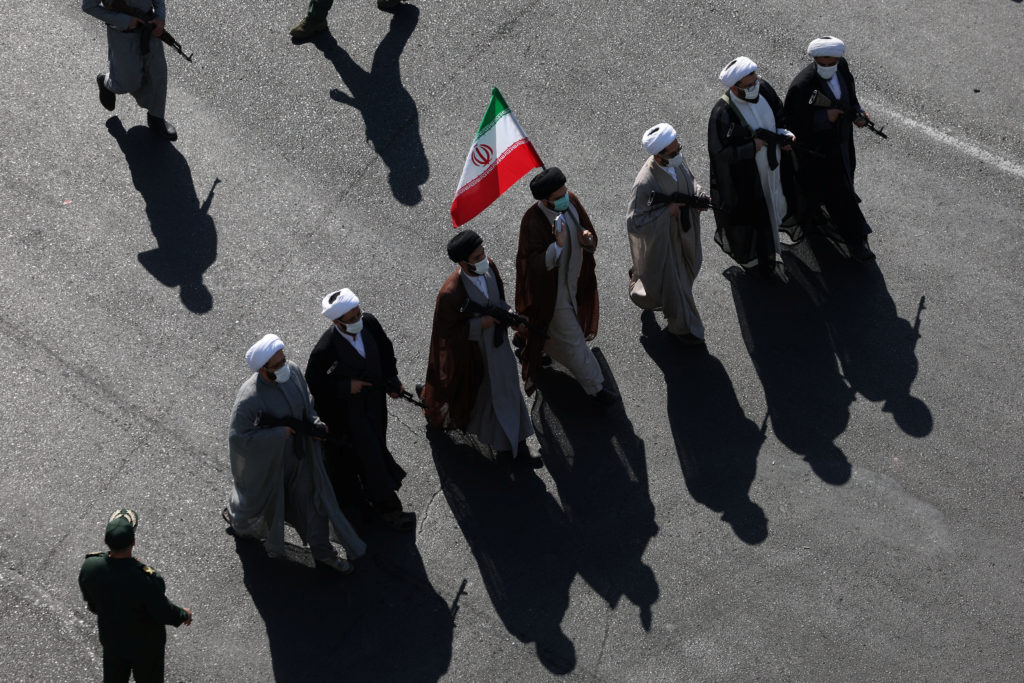
Hundreds of thousands of Iranians gathered in Tehran on Friday for a massive, government-organized demonstration marking the largest show of public defiance since the outbreak of war with United States and Israeli forces earlier this year. Participants marched through downtown streets wearing combat uniforms and carrying national flags, pledging their readiness to take up arms against foreign adversaries. The event served as a central pillar in Tehran’s strategy to project strength and unity while navigating severe economic pressures caused by U.S. naval blockades and new sanctions regimes.
Official figures regarding the scale of participation varied significantly among state broadcasters and military leaders. General Hassan Hassanzadeh, head of the Revolutionary Guard, stated that more than 600,000 individuals had registered to participate in the initiative, known as Janfaday-e Iran, which translates to those who sacrifice their lives for the nation. He projected that over one million people would eventually undergo training. Meanwhile, state television estimated that approximately 300,000 demonstrators were present on the streets during the morning hours of the rally.
The mobilization campaign aims to create an additional layer of security alongside the established paramilitary Revolutionary Guard and the Basij militia. Hossein Taeb, the newly appointed head of the Basij, declared that these volunteers would be prepared for full-fledged defense operations. He warned that the influx of trained citizens would create a nightmare scenario for Iran’s enemies. Similar rallies are expected to expand to other cities in the coming weeks as the government seeks to broaden its base of support.
Participants expressed strong anti-Western sentiment during the march, with some trampling flags representing the United States and Israel. Chants condemning American and Israeli leadership echoed through the crowds. Marzieh Afaghi, a 24-year-old attendee who brought her husband and toddler to the event, stated that Iranians harbor no fear regarding threats from U.S. President Donald Trump. She emphasized historical resilience, noting that no foreign power has successfully invaded Iran and remained in control.
The rally also functioned as a showcase for military hardware and capabilities. Anti-aircraft batteries were displayed prominently, while female members of the Guard sat atop trucks equipped with machine guns. Drones previously used to target vessels in the Strait of Hormuz were also featured. These displays underscore Iran’s ongoing efforts to assert control over this critical waterway, which has seen significant disruption since the conflict began.
Tensions in the region remain high following a reported attack on a Togo-flagged oil tanker named Trend. Iranian state media claimed the vessel was struck for attempting an illegal passage through the Strait of Hormuz. The U.K. Maritime Trade Operations center confirmed that a projectile hit the tanker, causing a fire that was subsequently extinguished. This incident highlights the continued volatility in one of the world’s most important energy corridors.
Maritime traffic in the region has plummeted since the war started. According to recent data from the UKMTO, ship transits facilitated by U.S. military forces off Oman have averaged 24 per day over the past week. However, overall traffic remains approximately 90% lower than pre-war levels. This drastic reduction underscores the severe impact of Iranian attacks and threats on global oil and natural gas shipments to international markets.
The emphasis on mass mobilization also signals a hardening stance among Iran’s leadership regarding internal dissent. The Basij militia has played a central role in suppressing anti-government protests in the past, including the massive demonstrations that erupted in January before the war began. Those protests, initially sparked by economic grievances, turned into broader challenges to the theocracy and were met with a brutal crackdown that activists say resulted in over 7,000 deaths and tens of thousands of detentions.
Earlier this year, government officials claimed that more than 30 million Iranians had volunteered to defend the regime through online forms or public gatherings. Independent verification of these numbers has not been possible. The current rally appears designed to reinforce loyalty and deter future opposition by demonstrating widespread popular support for the state’s wartime policies.
As Iran continues to navigate the complexities of war, economic isolation, and internal stability, the mobilization of civilian volunteers represents a significant shift in its defense strategy. The integration of these forces into the security apparatus may alter the dynamics of both external conflict and domestic control. Observers will be watching closely to see how this expanded military capacity influences regional stability and the trajectory of diplomatic efforts.
Sources behind this briefing
Go to the original reporting
- PBS NewsHour↗Iranians rally by the hundreds of thousands in biggest show of defiance since war began

