The short version
- Ali-Sina Mostafavi, a mountaineer who climbed Mount Everest, was executed in October after his sentence was upheld by Iran's supreme court.
- Activists report that at least six other athletes, including a swimmer and a footballer, face execution for charges linked to political protests.
- International sporting bodies like the IOC and FIFA have faced criticism for their limited response to the targeting of Iranian athletes.
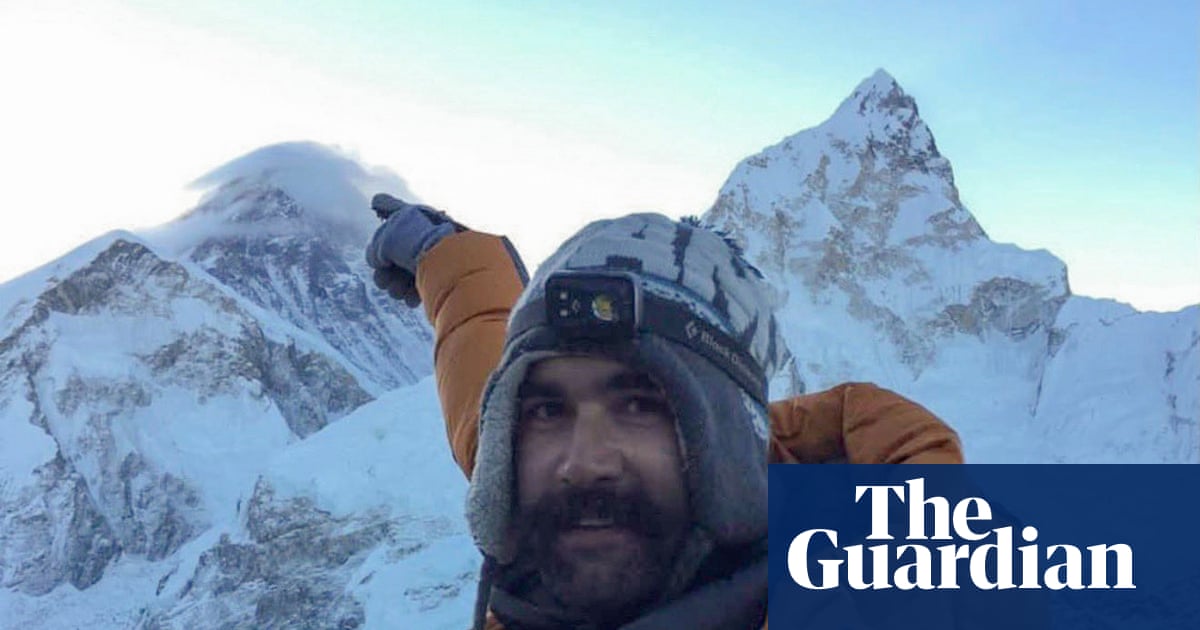
Concerns regarding the safety of Iranian athletes have intensified following the execution of Ali-Sina Mostafavi, a mountaineer known for documenting ascents of major global peaks including Mount Everest. Mostafavi was hanged on October 14, becoming the most recent sports figure to be killed by the state in a pattern that human rights advocates describe as systematic targeting. His death follows closely behind the execution of Siavash Jamshidi Kheirabadi, a taekwondo practitioner, earlier in October, and Gholamreza Khani Shakarab, a mixed martial arts fighter who was hanged in May.
Human Rights for Sport, an organization composed of former Iranian athletes based in Oslo, has documented this escalating trend. The group warns that at least six additional athletes currently face the death penalty after Iran’s supreme court upheld their sentences. Among those at risk are Ali Pishevarzadeh, a swimmer, and Ehsan Hosseinpour, a footballer, both of whom were detained during anti-government demonstrations in January. Also facing execution is Mohammad Javad Vafaei Sani, a boxer arrested in 2020 for participating in protests the previous year; his request for a retrial was denied last year.
Other condemned athletes include Benyamin Naghdi, another mixed martial arts fighter, Taraneh Rahimi, an equestrian competitor, and Maryam Siri, a climber. According to Human Rights for Sport, six athletes have already been executed in cases connected to the January protests or earlier political offenses. Dr. Zohreh Abdollahkhani of the organization noted that while international attention temporarily halted one execution, the reprieve was short-lived, leaving deep concern for those still awaiting their fate.
The group suggests that these executions serve as a deliberate warning to the broader population. State-run media often provide extensive coverage of the deaths of prominent sports figures, amplifying their deterrent effect. Navid Afkari Sangari, a wrestler executed in September 2020, is cited as a precedent; his high profile made his death a stark message about the regime's reach. Abdollahkhani argued that targeting role models within the sporting community sends a chilling signal to society at large.
Mostafavi’s legal proceedings concluded with the supreme court upholding his sentence in late September. He was accused of acting as an armed agent for foreign adversaries and allegedly opening fire on civilians in Kerman’s Azadi Square on March 24, in addition to participating in January’s protests. Reports indicate he suffered physical violence during detention in Kerman before being moved to solitary confinement. His family members were reportedly summoned to the prison only hours before his execution.
Maintaining contact with condemned athletes and their families has proven difficult due to state surveillance and intimidation. In some instances, relatives have been arrested or placed under monitoring, cutting off communication lines. Abdollahkhani described one case where a prisoner’s sister and brother-in-law were detained, rendering direct contact impossible. This isolation complicates efforts by advocacy groups to intervene or verify conditions.
The broader impact on the Iranian sporting community is severe. Human Rights for Sport estimates that 217 athletes were killed by direct gunfire during the January protests, with over 100 others detained. Despite these figures, international responses have been limited. Four members of the European parliament wrote to FIFA regarding the executions ahead of the World Cup but received no substantive reply. A FIFA spokesperson acknowledged awareness of the issues and thanked stakeholders for their collaboration.
Criticism has also been directed at the International Olympic Committee. Abdollahkhani claimed that staffing changes within the IOC have hindered efforts to raise cases through its human rights structures. The IOC disputed this characterization, asserting it maintains fully functioning safeguarding teams. It emphasized its status as a non-governmental organization lacking the authority to alter sovereign laws, while stating it continues to work with Olympic stakeholders to promote safe sporting environments globally.
Sources behind this briefing
Go to the original reporting
- The Guardian US↗Fears grow for Iranian athletes on death row as mountaineer latest to be hanged