The short version
- Mighty Earth reports over 350 meetings between US entities and EU officials aimed at weakening the Deforestation Regulation.
- Major agribusiness firms and trade councils were central to the lobbying effort, which extended to high-level diplomatic channels.
- Industry representatives deny a concerted campaign to derail the law, framing their actions as necessary clarifications on implementation.
A new investigation by the environmental advocacy group Mighty Earth has uncovered a sustained and aggressive lobbying campaign by major United States corporations and trade associations aimed at postponing and weakening the European Union’s Deforestation Regulation. The report details a two-year effort involving more than 350 meetings between US representatives and high-ranking EU officials, marking one of the most intensive attempts to influence environmental policy in recent transatlantic relations.
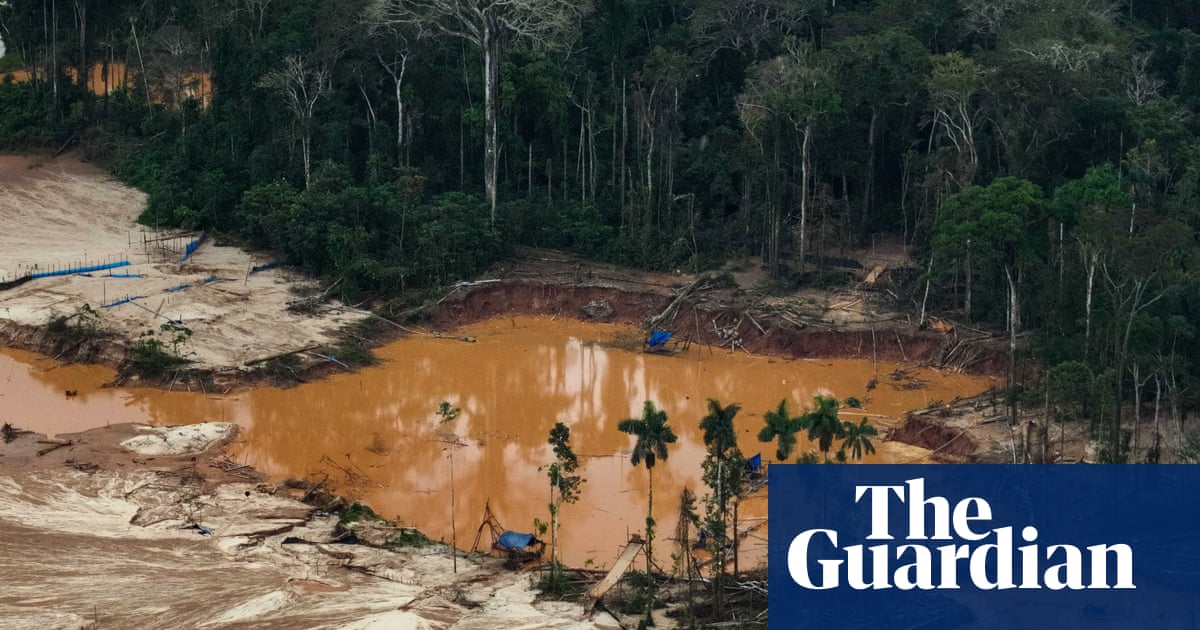
The regulation, widely regarded as the world’s most ambitious legislative attempt to curb forest loss linked to commodity imports, prohibits the entry of goods such as soy, cattle, cocoa, coffee, oil palm, rubber, and wood if they originate from deforested land. Originally proposed in 2023, the law has faced significant delays and revisions since its inception. Critics within the environmental community argue that these changes have effectively dismantled the policy’s original rigor, particularly regarding the tracing of commodity origins.
According to the watchdog’s findings, twenty-four major US companies, trade associations, and industry organizations engaged in at least 173 meetings with members of the European Parliament and 178 meetings with senior officials at the European Commission between July 2024 and July 2026. The entities with the highest frequency of contact included the National Alliance of Forest Owners, the Advanced Woody Biomass Alliance, the US Soybean Export Council, Bunge, the American Chamber of Commerce to the European Union, and Cargill.
While individual meeting counts for some firms were relatively low, with Cargill recording two meetings and Bunge one, other organizations like Mondelēz held eight sessions. The investigation suggests that this lobbying was not limited to direct corporate outreach but also involved coordinated efforts through the US Congress, the Department of Agriculture, the Office of the US Trade Representative, and the White House. This multi-layered approach indicates a strategic alignment between private sector interests and federal government objectives.
Diplomatic pressure appears to have played a pivotal role in shaping the final outcome. Following a meeting at a Scottish golf course in July 2025 between then-President Donald Trump and European Commission President Ursula von der Leyen, the two sides issued a joint statement granting the United States special consideration regarding the regulation. The commission declared that the US poses negligible risk to global deforestation, a characterization that Mighty Earth challenges by pointing to repeated implications of major US trading companies in Amazon destruction.
The joint statement also committed EU officials to addressing concerns raised by US producers and exporters to avoid undue impact on trade relations. Andrew Puzder, the US ambassador to the EU, argued in an opinion piece that the law would impose significant regulatory compliance costs while yielding inconsequential environmental benefits when applied to countries with low deforestation risk. A delegation of Trump administration officials subsequently visited EU capitals to argue that the legislation could deter US exports by raising production costs.
Despite these findings, US corporate organizations and trade bodies deny that there was a concerted campaign to derail the deforestation rules. They maintain that their meetings with EU officials were intended to raise legitimate concerns about implementation challenges, such as IT system shortcomings and unclear obligations for companies. The American Chamber of Commerce to the EU stated that it has consistently supported the regulation’s objective of tackling global deforestation and promoting sustainable supply chains.
Chamber representatives emphasized that their engagement was constructive, aimed at allowing sufficient time for authorities and businesses to prepare for effective enforcement. However, Mighty Earth argues that the scale and intensity of the lobbying effort highlight a need for greater transparency in EU lobbying activities and increased access for civil society to ensure a balanced policy process. The law is scheduled to come into full effect in December, setting the stage for ongoing scrutiny of its implementation.
The investigation underscores the complex interplay between environmental goals and economic interests in international trade policy. While the EU seeks to lead on climate action through stringent import regulations, US stakeholders have mobilized significant resources to mitigate potential disruptions to their supply chains. The outcome reflects a compromise that has drawn criticism from environmental advocates who fear the dilution of standards may undermine the regulation’s intended impact on global forest conservation.
As the deadline for full implementation approaches, attention will likely shift to how member states enforce the revised rules and whether the concessions made to US exporters will set a precedent for other trading partners. The tension between maintaining robust environmental protections and preserving lucrative trade relationships remains a central challenge for policymakers on both sides of the Atlantic.
Sources behind this briefing
Go to the original reporting
- The Guardian US↗US corporate lobbyists mounted ‘blitz’ to dilute landmark EU deforestation law, report finds


