The short version
- Surveillance images obtained by investigators show a track geometry irregularity existed before the train derailed near Lewes on August 13.
- Thirty people were injured in the incident, which occurred during a period of sustained high temperatures that may have contributed to track buckling.
- The railway line between Lewes and Haywards Heath remains closed until at least August 26 to allow for complex recovery operations and evidence preservation.
An interim investigation into the derailment of a Southern rail service near Lewes in East Sussex has identified a pre-existing defect in the track infrastructure. The Rail Accident Investigation Branch released findings indicating that surveillance footage captured a geometry irregularity on the rails before the train left the tracks on August 13. This discovery comes as operators Network Rail and Govia Thameslink Railway, which runs Southern services, issued joint apologies for the incident and its subsequent disruption to passengers and local communities.
The derailment occurred during the United Kingdom’s fifth heatwave of the summer, a period marked by sustained hot and dry weather conditions. Weather data from the nearest station recorded ambient temperatures of approximately 27 degrees Celsius at the time of the accident. Investigators noted that such high temperatures can cause steel rails to expand and buckle, a phenomenon known as sun kink. The released image from the report appears to show signs of this buckling on the approach to the crash site.
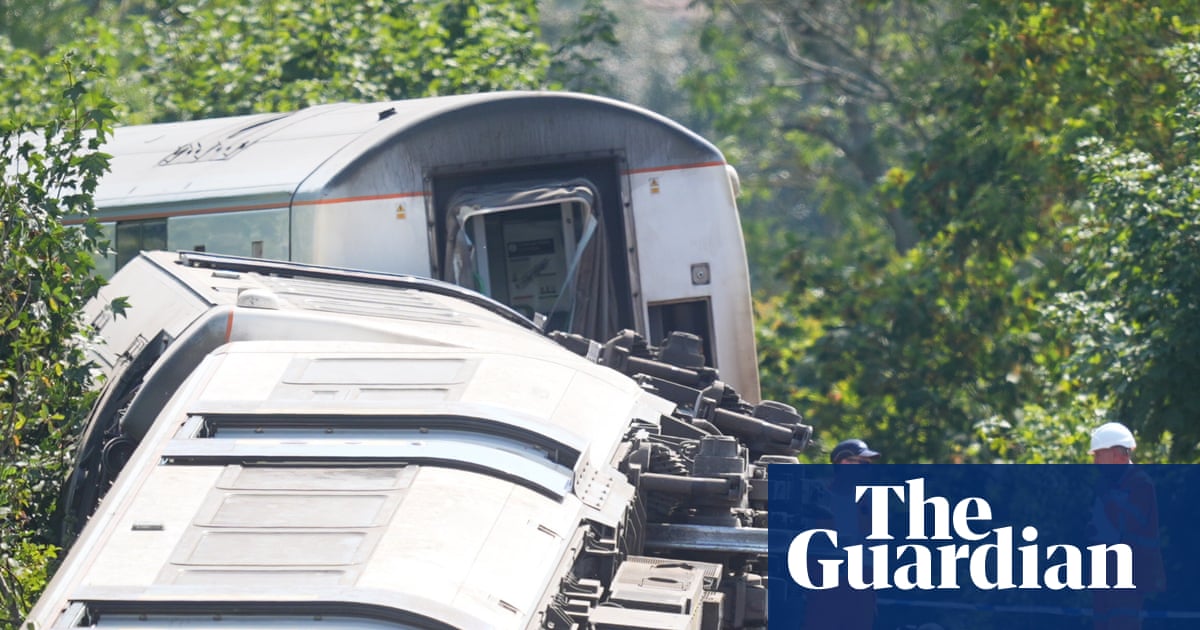
At the time of the incident, the train was traveling at roughly 65 miles per hour, which remained within the posted speed limit of 70 miles per hour for that section of the line. Approximately 150 passengers were onboard when three carriages tipped onto their sides. The crash resulted in significant damage to both the rolling stock and the railway infrastructure. Thirty individuals sustained injuries, with twenty requiring hospital treatment. Several passengers were trapped inside the overturned carriages until emergency responders could extract them.
The terrain surrounding the derailment site presents additional complexities for investigators. The railway embankment is composed of clay, a material that is sensitive to changes in water content and prone to movement as moisture levels fluctuate. While there is currently no evidence to suggest a major slip of the embankment occurred immediately before the accident, data indicates that some ground movement had taken place previously. This geological factor is being considered alongside weather conditions and track status in the ongoing inquiry.
Prior to the crash, investigators received multiple reports from passengers on other trains describing rough riding experiences in the same location. These accounts suggest that the track irregularity may have been noticeable to travelers before it led to a catastrophic failure. The presence of these earlier complaints adds weight to the finding that the defect was present and potentially detectable before the derailment occurred.
The incident is part of a broader pattern of railway disruptions linked to extreme weather during this summer. Within less than twenty-four hours of the Lewes derailment, a second incident occurred at Wickford station in Essex. The rear carriages of a Greater Anglia train came off the tracks there but remained upright, and no injuries were reported. These consecutive events have heightened scrutiny on how rail operators manage infrastructure resilience during periods of intense heat.
Recovery efforts are expected to be complex and time-consuming. The line between Lewes and Haywards Heath is scheduled to remain closed until at least the end of service on August 26. This closure allows specialized teams to lift the derailed carriages using cranes and ensures that critical evidence is preserved for the full investigation. The duration of the shutdown will likely cause significant travel disruptions for commuters in the region.
Network Rail and GTR emphasized that safety remains their highest priority, acknowledging that while Britain’s railway system is among the safest globally, incidents like this require thorough analysis to identify lessons learned. The interim report serves as an initial step in understanding the sequence of events. The full investigation will continue to examine the effectiveness of measures taken to mitigate hot weather impacts on track stability and train operations.
As the recovery process continues, authorities are focused on restoring service while maintaining the integrity of the evidence. The findings from this interim report highlight the challenges posed by extreme weather to railway infrastructure. The combination of high temperatures, clay embankments, and pre-existing track defects created a hazardous environment that ultimately led to the derailment. Further details regarding liability and long-term preventive measures will emerge as the investigation concludes.
Sources behind this briefing
Go to the original reporting
- The Guardian World↗Lewes derailment: images show track defect before incident on hottest day