The short version
- Spanish officials confirmed that Toñi, the matriarch of the Iberian orca pod, was observed with dorsal fin markings consistent with pellet gun shots.
- The incident has triggered an official investigation and heightened monitoring by conservation groups who warn that such acts threaten a critically endangered population.
- While scientists attribute the pod's vessel interactions to play or hunting practice, public frustration has occasionally led to retaliatory behaviors, including the use of firecrackers.
Spanish environmental authorities have initiated an official investigation after identifying suspected gunshot wounds on Toñi, the oldest known member of a small orca pod operating in the Strait of Gibraltar. The discovery marks a significant escalation in tensions between marine life and human activity in the region, moving beyond the previously documented incidents of vessel damage to potential direct physical harm against individual animals.
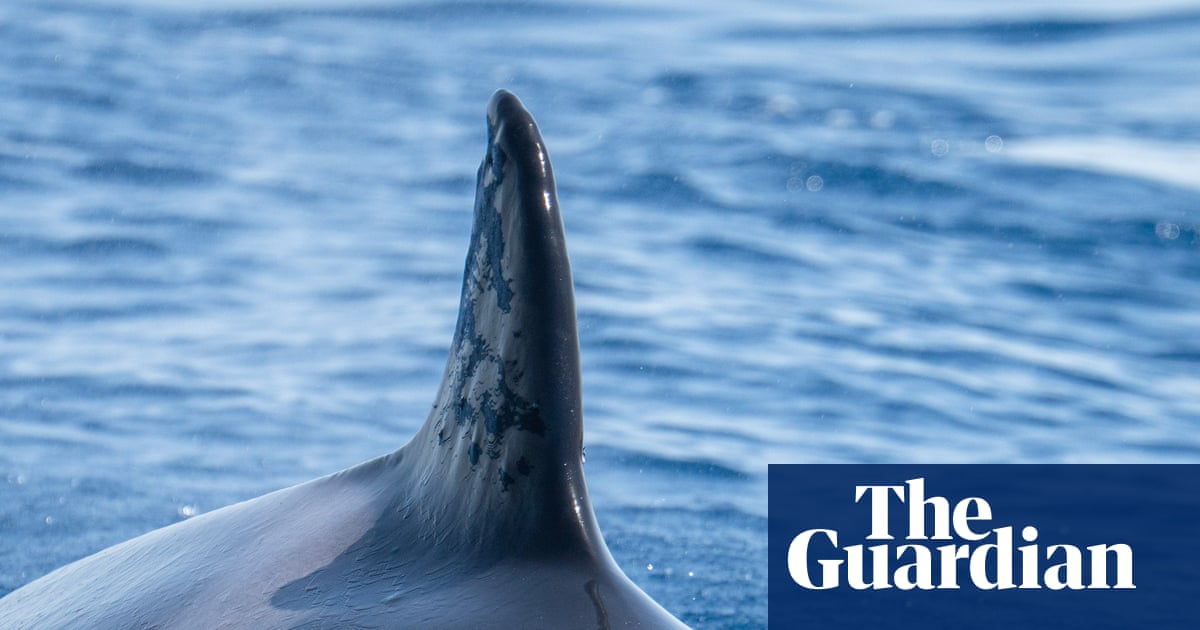
According to Spain’s environment ministry, Toñi was spotted with markings on her dorsal fin that align with injuries caused by pellet guns. A ministry source indicated that some projectiles may still be lodged in the tissue, creating a serious risk of infection. The observations were made after the pod traveled from waters off the Portuguese city of Faro, prompting cross-border coordination between Spanish and Portuguese officials to monitor the animal’s condition.
Conservation organizations are closely tracking Toñi for signs of distress or weakness. Janek Andre, co-founder of the Iberian Orca Guardians association, noted that the wounds were not present during recent observations just weeks prior. He described the situation as devastating, emphasizing that if the injuries resulted from deliberate shooting, it would constitute an act of extreme cruelty against a member of one of the last remaining critically endangered orca populations.
The Iberian orca pod has been in the global spotlight since 2020, when reports emerged of the animals ramming rudders and causing boats to spin or tip. These interactions have resulted in damage to numerous vessels and the sinking of at least four boats. The behavior has baffled experts and frustrated sailors, leading to widespread public debate about how to manage these encounters in busy shipping lanes.
Despite the apparent aggression toward boats, marine scientists have consistently argued that the orcas are not attacking vessels in a predatory or malicious sense. Instead, researchers suggest the behavior may be a form of play or a method for practicing hunting skills. This scientific perspective contrasts sharply with the experiences of boaters who have suffered property damage and safety risks.
The population facing these stressors is already on precarious ground. Estimates place the number of individuals in this specific group between thirty and forty. They contend with multiple threats, including food scarcity, pollution, and the dangers inherent to navigating a major international shipping route. The addition of potential human-inflicted trauma raises urgent questions about the long-term viability of the pod.
Previous incidents have shown that some sailors resort to aggressive countermeasures. In 2023, video footage surfaced appearing to show individuals launching firecrackers into the sea as orcas interacted with their vessel. Such actions highlight a growing cycle of retaliation that conservationists argue is both dangerous and counterproductive.
Advocacy groups stress that regardless of opinions on the orcas’ behavior toward boats, shooting at them is unacceptable. The focus remains on protecting these animals rather than retaliating against them. As the investigation proceeds, experts are urging caution and emphasizing the need for non-violent solutions to manage human-wildlife conflict in the Strait of Gibraltar.
The coming weeks will be critical for determining the extent of Toñi’s injuries and their impact on her health. Conservationists continue to monitor the pod, hoping that the wounds do not lead to further complications or affect the social structure of the group. The outcome of this case may influence future policies regarding vessel interactions and wildlife protection in the region.
Sources behind this briefing
Go to the original reporting
- The Guardian World↗Iberian orca known for ramming boats seen with suspected gunshot wounds

