The short version
- Green Party leader Zack Polanski is seeking the nomination to run in the upcoming Holborn and St Pancras byelection, which follows Prime Minister Keir Starmer’s resignation.
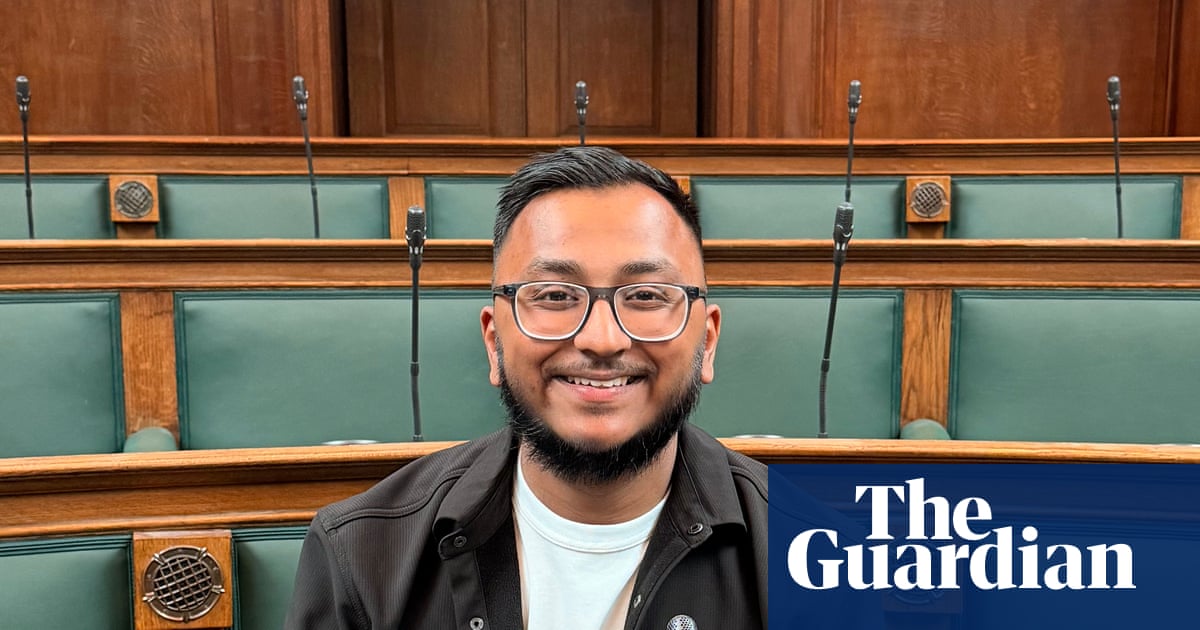
- Local Green councillor Hamza Chowdhury has launched a rival bid for the candidacy, arguing that Polanski lacks sufficient local ties to effectively represent the constituency.
- The internal contest highlights logistical challenges for the party, as the election date coincides with the final weekend of their national conference in Brighton.
A significant internal dispute has emerged within the Green Party regarding the selection of a candidate for the Holborn and St Pancras parliamentary seat. The vacancy was created by the formal resignation of Keir Starmer, who held the position as Prime Minister. Zack Polanski, the leader of the Greens in England and Wales, announced his intention to seek the party’s nomination to contest the upcoming byelection scheduled for October 8. His decision has triggered a competitive internal race, with local councillor Hamza Chowdhury declaring his own candidacy and garnering support from several fellow Green representatives on Camden council.
The conflict centers on questions of local presence and accountability. Chowdhury, who serves as a Green representative in north London, argues that the constituency requires an MP who is physically embedded in the community rather than one who appears only during election cycles. He contends that Polanski, who resides in east London, would be unable to provide consistent representation. Chowdhury emphasized his familiarity with local issues such as housing shortages, waste management failures, and infrastructure maintenance, positioning himself as a candidate already integrated into the daily life of the area.
Polanski has acknowledged that he does not plan to relocate to the Holborn and St Pancras constituency even if he secures the nomination. He stated that he intends to commute from his home in Hackney by bicycle, asserting that the distance is manageable and would allow him to conduct regular surgeries and represent constituents effectively. This stance has drawn criticism from Chowdhury, who warns against selecting a politician who might remain distant from the electorate once the campaign concludes. The disagreement reflects broader tensions within the party between national strategic goals and local grassroots expectations.
Support for both candidates appears divided along geographic and organizational lines. Chowdhury reported receiving nominations from six other Camden Green councillors, indicating that seven of the ten Greens on the local authority oppose Polanski’s selection. Among his backers is Lorna Russell, the group leader for the Greens in Camden, where they serve as the official opposition to Labour. Conversely, reports suggest that local party members within the constituency are broadly supportive of Polanski standing. The final decision will rest with these local members, who are scheduled to vote later this week to determine their candidate.
The timing of the byelection presents additional logistical complications for the Green Party. The vote is set for October 8, which falls just one week after the party’s annual conference begins. This scheduling overlap means that the final weekend of campaigning will coincide with the presence of many activists and officials in Brighton. The distraction could hinder campaign efforts, particularly as the Greens aim to replicate their recent success in Greater Manchester’s Gorton and Denton, where they overturned a substantial Labour majority earlier this year.
The political stakes are high given the historical strength of the Labour Party in this seat. Starmer won the constituency with a majority exceeding 11,000 votes in the 2024 general election. Polanski has characterized his party as the underdog in this contest, acknowledging the difficulty of unseating a deeply entrenched incumbent’s successor. Despite the odds, the Greens have deployed numerous canvassers in the area, attempting to build momentum and engage voters ahead of the nomination vote. The outcome of the internal selection process will shape the party’s strategy and resource allocation for what is expected to be a closely watched race.
This dispute underscores the challenges facing smaller parties when competing for high-profile seats vacated by major political figures. While Polanski brings national visibility and leadership experience, Chowdhury offers localized credibility and established community ties. The resolution of this contest will not only determine who represents the Greens in Holborn and St Pancras but also signal how the party balances central authority with local autonomy. As the vote approaches, the internal dynamics may influence broader perceptions of the Green Party’s cohesion and strategic direction.
Observers note that the byelection could serve as a bellwether for voter sentiment following Starmer’s departure. The Greens’ ability to mount a credible challenge depends on effective campaigning and candidate appeal. If Polanski wins the nomination, his campaign will need to address concerns about his physical presence in the constituency. If Chowdhury prevails, he may leverage his local record to attract voters disillusioned with traditional political figures. Regardless of the outcome, the contest highlights the complexities of modern electoral politics and the importance of candidate-community relationships.
The coming days will be critical as local members cast their votes. The decision will set the stage for a competitive general election environment in London, where party loyalty and local issues intersect. With national attention focused on the seat previously held by the Prime Minister, every aspect of the campaign—from candidate selection to messaging—will be scrutinized. The Green Party’s handling of this internal challenge may also impact its standing among voters who prioritize transparency and local engagement.
As the October 8 date approaches, the focus will shift from internal party mechanics to public campaigning. Both Polanski and Chowdhury have outlined distinct visions for representing the constituency, reflecting different priorities within the Green movement. The eventual candidate will face the task of mobilizing support in a traditionally Labour stronghold while navigating the logistical constraints imposed by the concurrent party conference. The result of this byelection could have lasting implications for the political landscape in north London and beyond.
Sources behind this briefing
Go to the original reporting
- The Guardian World↗Polanski faces Green rival in his pursuit of Keir Starmer’s old seat

