The short version
- A New South Wales parliamentary inquiry has recommended that Redeemer Baptist School be barred from accepting new students pending further investigation.
- The committee found significant breaches of child safety standards, citing allegations of sexual, physical, and psychological abuse by staff members.
- Recommendations include police probes into assault claims and potential fraud, highlighting a lack of regulatory oversight despite substantial government funding.
A New South Wales parliamentary committee has issued urgent recommendations to halt student enrollments at Redeemer Baptist School in western Sydney following a probe into serious allegations of abuse. The inquiry concluded that the private religious institution failed to meet fundamental child safeguarding requirements, placing students at significant risk of harm. The report, tabled in state parliament, calls for immediate intervention by education authorities and law enforcement to address what committee members described as a high-risk environment that had persisted without adequate monitoring.
Former students and teachers provided testimony detailing a range of disturbing behaviors within the school community. Accounts included instances where students were required to share beds with educators and reports of the principal wandering naked through common areas. The committee determined that allegations of sexual assault were not handled appropriately by school leadership, contributing to an atmosphere where abuse could continue unchecked. These findings suggest a systemic failure in governance rather than isolated incidents, prompting calls for a comprehensive review of the institution's operations.
The inquiry highlighted severe deficiencies in workplace rights and governance standards at the school. Staff members reportedly lacked essential protections, and the institution was accused of withholding wages while simultaneously claiming government benefits. This financial arrangement raised questions about potential fraud involving Centrelink payments and tax practices. The committee noted the troubling contrast between the school’s apparent prosperity, bolstered by millions in public funding, and its treatment of employees who allegedly faced financial exploitation.
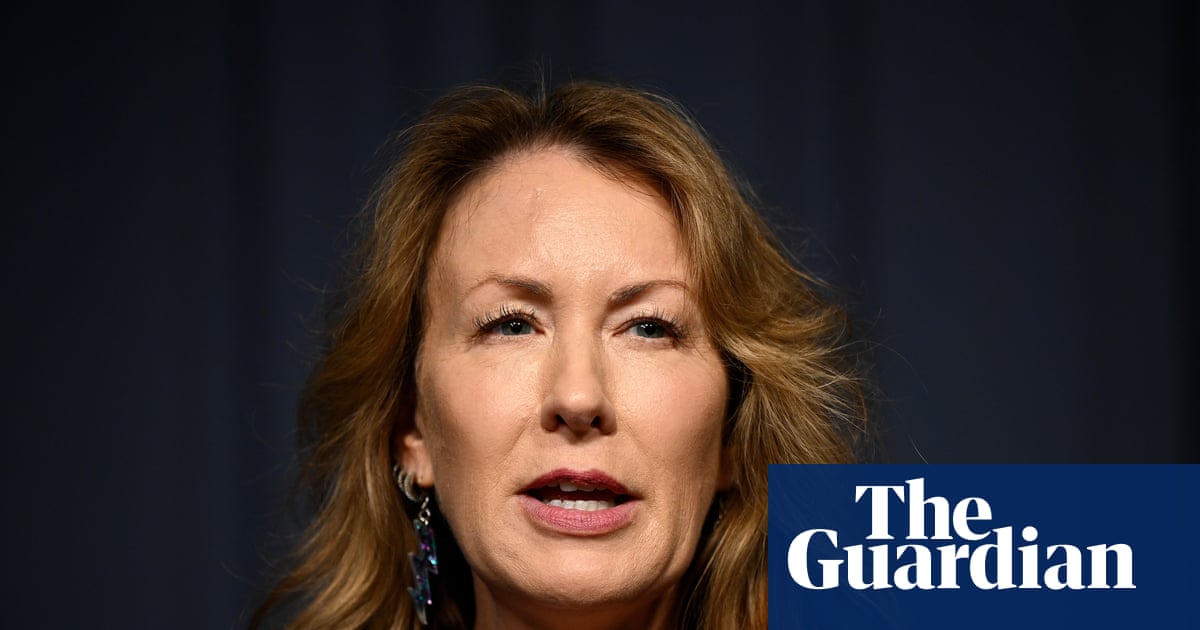
Committee chair Abigail Boyd emphasized that the school had been under parliamentary scrutiny as early as 2006, yet no effective procedures were implemented to monitor the situation. She attributed the committee’s ability to make strong findings to the courage of those who came forward despite fears of retaliation. Boyd pointed out that the institution possesses significant financial resources and deep political connections at both state and federal levels, which may have enabled it to challenge critics legally and resist regulatory pressure for decades.
The report criticized the lack of oversight from relevant authorities, including the education standards body, allowing alarming matters to go uninvestigated. The committee recommended that New South Wales police investigate the specific allegations of sexual assault and other abuses raised during the inquiry. Additionally, the office of the children’s guardian was urged to examine the broader safeguarding failures. These steps aim to ensure accountability and protect current and future students from potential harm.
Survivors who have left the school described feeling terrified of its leaders, partly due to the financial vulnerability they faced upon departure. Boyd noted that escaping such an environment often means leaving with no assets, creating a power dynamic that discourages reporting abuse. The committee’s findings underscore the need for stronger support systems for individuals seeking to leave high-control religious institutions and for more robust regulatory frameworks to prevent similar abuses in other private schools.
Redeemer Baptist School has previously stated that it takes child safety obligations seriously and claims an unblemished record of compliance with regulators over 45 years. A spokesperson indicated full cooperation with relevant authorities but did not immediately respond to requests for comment following the release of the latest report. The discrepancy between the school’s public stance and the inquiry’s findings highlights the challenges in verifying internal practices and ensuring transparency in privately operated educational institutions.
The recommendations mark a significant escalation in the response to allegations against the school, moving beyond internal reviews to external legal and regulatory action. By calling for an enrollment ban, the committee seeks to prevent further potential harm while investigations proceed. This case raises broader questions about the oversight of religious schools receiving public funds and the mechanisms available to protect children in environments where traditional safeguards may be compromised by institutional power and secrecy.
Sources behind this briefing
Go to the original reporting
- The Guardian World↗Sydney private school accused of sexual abuse should be banned from enrolling new students, inquiry says


