The short version
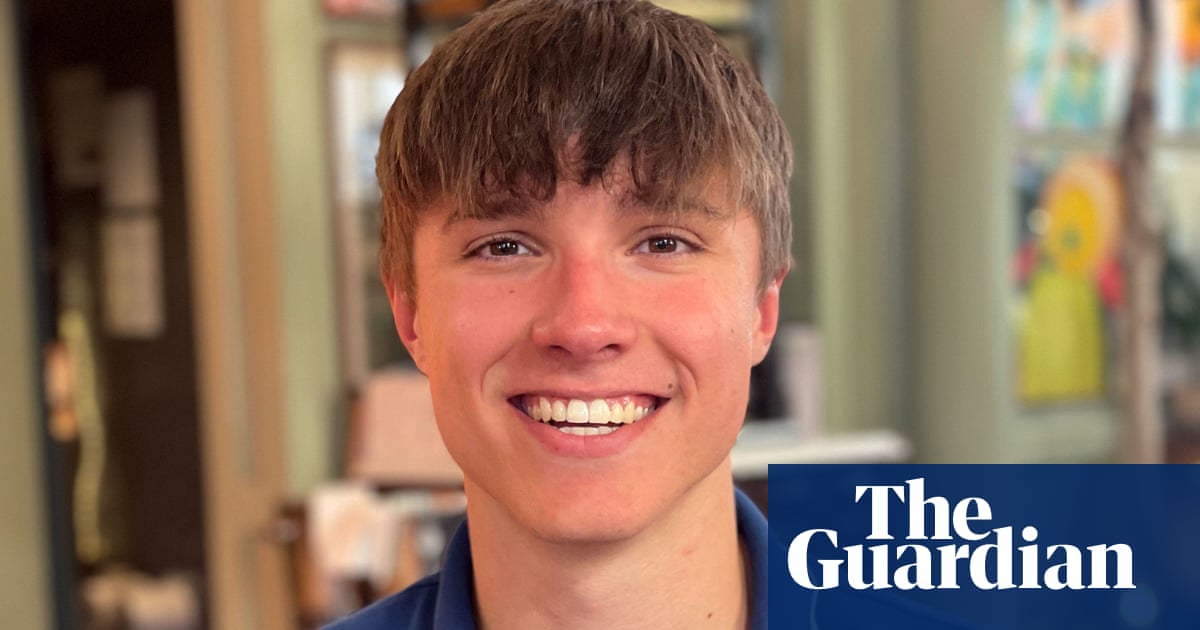
- Medical experts testified that Barnaby Webber’s death was potentially preventable with more rapid blood administration, though his overall survival chances remained low.
- Police failed to disclose notebooks containing delusions of divine power and lists of explosives until months after the inquiry hearings began.
- The inquiry chair expressed disappointment over late evidence disclosure and ordered all corrections to be submitted by the end of the year.
A public inquiry examining the fatal stabbings in Nottingham has heard that the death of one victim was potentially preventable, while significant failures in police disclosure have come to light regarding the attacker’s prior behavior. The proceedings, which are assessing the events leading up to the June 2023 attacks, revealed new details about both the emergency medical response and the oversight of Valdo Calocane, the man convicted of manslaughter on grounds of diminished responsibility.
Counsel to the inquiry presented an assessment by a panel of medical professionals regarding the survivability of the three victims: Barnaby Webber, Grace O’Malley-Kumar, and Ian Coates. The panel concluded that while the deaths of Ms. O’Malley-Kumar and Mr. Coates were not preventable given the severity of their injuries, Mr. Webber’s case was different. His chance of survival was assessed at less than 50 percent, a threshold classified as potentially preventable.
The medical review indicated that a more rapid administration of blood products could have increased Mr. Webber’s likelihood of reaching the hospital with sufficient vital signs to undergo surgery. However, the assessment emphasized that this single factor would not have guaranteed survival. Multiple other meticulous and rapid steps in emergency care would have needed to align perfectly for him to have survived to intensive care. The panel acknowledged the efforts of emergency responders on the day of the attacks.
Beyond the medical response, the inquiry addressed serious concerns regarding evidence withheld from investigators. Police discovered a holdall bag at Calocane’s former residence in Nottingham shortly after the killings. Inside were notebooks that were not disclosed to the inquiry until June of this year, well after oral hearings had concluded. These documents contained writings in which Calocane described himself as God and claimed police possessed mind-reading software.
Further disturbing material was found discarded in a bin at the same property. This included bullet points listing explosives such as TNT and nitrate fertilizer. Inquiry counsel noted that these notes were not identified or considered by Nottinghamshire Police at the time, nor were they shared with the Crown Prosecution Service or psychiatric experts involved in Calocane’s case. One note appeared to reference the Manchester Arena, and records showed Calocane had searched online for large venues in Nottingham.
The failure to investigate these historical behaviors was highlighted by legal representatives for the bereaved families. They pointed out that no one asked Calocane why he was researching explosives or large venues because the relevant documents were never examined. Additionally, violent assaults committed by Calocane prior to the 2023 attacks were not brought to the inquiry’s attention until after the initial hearings. These incidents included a warehouse assault in 2021 and an attack on a colleague in February 2023.
Deborah Taylor KC, the chair of the inquiry, expressed disappointment that such critical evidence had not been identified and disclosed earlier by core participants. She stated that this information ought to have been available before the hearings concluded. Taylor directed all parties to provide any corrections or omissions regarding their evidence by December 31. Closing submissions are expected to conclude shortly, with a final report detailing the inquiry’s findings scheduled for publication next year.
The inquiry has heard from more than 100 witnesses over three months, including police officers, mental health professionals, and family members. The proceedings have uncovered a series of errors in Calocane’s care and interactions with authorities. He had been sectioned four times in two years prior to the attacks and had an active arrest warrant for failing to appear in court regarding an alleged assault on a police officer. The legal team for the families emphasized that without their campaigning, this public inquiry might not have occurred.
Sources behind this briefing
Go to the original reporting
- The Guardian World↗Barnaby Webber’s death in Nottingham attack was ‘potentially preventable’, inquiry told
- BBC News↗Nottingham attacks victim's death 'potentially preventable'

