The short version
- Investigators found that confusing signage and inadequate training contributed to the death of a delivery driver at a manually operated crossing in Kent.
- Safety officials warn that nineteenth-century crossing mechanisms pose significant dangers in an era of high-speed rail and increased commercial traffic.
- A second fatal incident involving a delivery worker is currently being investigated, prompting calls for immediate regulatory updates.
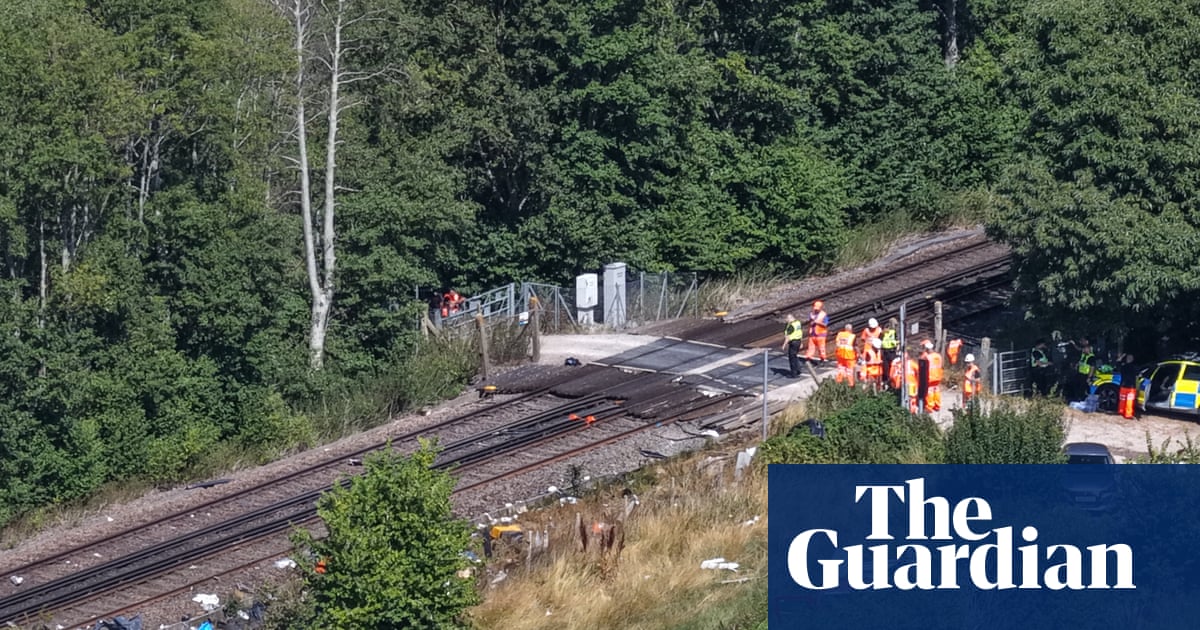
An official safety inquiry has identified critical failures in the design and operation of manually operated railway level crossings, following the death of a young delivery driver in Kent. The investigation into the July incident involving Brandon Hatcher, a twenty-three-year-old Amazon delivery worker, concluded that the infrastructure at the Bax crossing near Teynham created an 'obvious risk of further tragedy.' The report underscores a growing disconnect between historic rail safety mechanisms and modern logistical demands, urging immediate reforms to prevent similar fatalities.
Hatcher was killed when his van collided with a Southeastern passenger train traveling from Ramsgate to London. According to the Rail Accident Investigation Branch, the driver appeared to misunderstand the operational requirements of the crossing. While signage instructed users to check for green lights before manipulating gates, the report determined that the traffic light system likely misled Hatcher into believing it was safe to proceed after opening only the entry gate. He drove onto the tracks and parked his vehicle while the exit gate remained closed.
The sequence of events escalated rapidly as alarms sounded and lights turned red, signaling an approaching train. Hatcher attempted to open the exit gate but failed to clear the path on his first try. As he returned to his van door, the train emerged from a distance of three hundred meters. Despite the driver applying emergency brakes at ninety miles per hour, the collision was unavoidable. Three passengers on board sustained minor injuries, though officials noted that a derailment could have resulted in far more severe consequences for those aboard.
The inquiry placed significant blame on the inadequacy of both infrastructure design and professional training. The report criticized recent signage redesigns for failing to account for how diverse information sources influence user behavior. Furthermore, it found that Hatcher, who was self-employed but working for GG Logistix, had not received sufficient preparation to navigate such crossings safely. This highlights a broader gap in safety protocols for the gig economy workforce that increasingly relies on complex transport networks.
Andrew Hall, the chief inspector of rail accidents, described private user worked crossings as a nineteenth-century concept struggling to function in a twenty-first-century environment. He pointed to denser rail services, faster speeds, and a surge in home deliveries as factors that exacerbate the danger. Most road users, particularly those unfamiliar with rural infrastructure, lack the specific knowledge required to operate these manual systems correctly. Hall emphasized that both recent accidents could have derailed trains, posing catastrophic risks to public safety.
The urgency of the situation is compounded by a second fatal incident involving a delivery driver in Lancashire. Simon Gettings, fifty-five, was killed when struck by a Northern train at a manual crossing in August. The circumstances surrounding Gettings’ death remain under investigation, but the proximity of the two events has intensified calls for systemic change. Safety inspectors argue that isolated fixes are insufficient and that a comprehensive overhaul of laws, guidance, and physical design is necessary to mitigate these risks.
In response to the findings, Network Rail and the Department for Transport have been urged to review current regulations. The rail regulator, ORR, stated it would ensure lessons are learned to protect crossing users, passengers, and staff. South Eastern Railway acknowledged the tragedy and confirmed that changes had already been made to the site layout. They also published a toolkit offering guidance for professional drivers, though critics argue that voluntary measures may not be enough to address the fundamental flaws in crossing design.
The case of Brandon Hatcher serves as a stark reminder of the vulnerabilities inherent in aging infrastructure. As commercial delivery volumes continue to rise, the pressure on rural and semi-rural rail crossings intensifies. Without effective mitigation strategies, the risk of further tragedy remains high. The inquiry’s recommendations point toward a need for clearer communication, better training standards, and potentially modernized crossing mechanisms that align with contemporary traffic patterns and user expectations.
Moving forward, the focus will likely shift to implementing the recommended reviews and assessing their effectiveness. Stakeholders must balance the preservation of historic rail operations with the imperative of public safety. The outcome of the Lancashire investigation may provide additional insights into whether these incidents are isolated anomalies or symptoms of a widespread systemic failure. Until then, the call for urgent action remains a priority for regulators and industry leaders alike.
Sources behind this briefing
Go to the original reporting
- The Guardian World↗‘Obvious risk of further tragedy’ at rail crossing type at which Amazon driver died, inquiry finds


