The short version
- A coroner has formally opened an inquest into the death of Jason Arday, a former University of Cambridge professor who passed away at his London home.
- Police confirmed the scene was not suspicious after emergency services failed to revive Arday, leading the coroner to launch a formal investigation and adjourn proceedings.
- Arday had resigned nine days prior following allegations of plagiarism and career inconsistencies, citing the profound toll of relentless public commentary on his well-being.
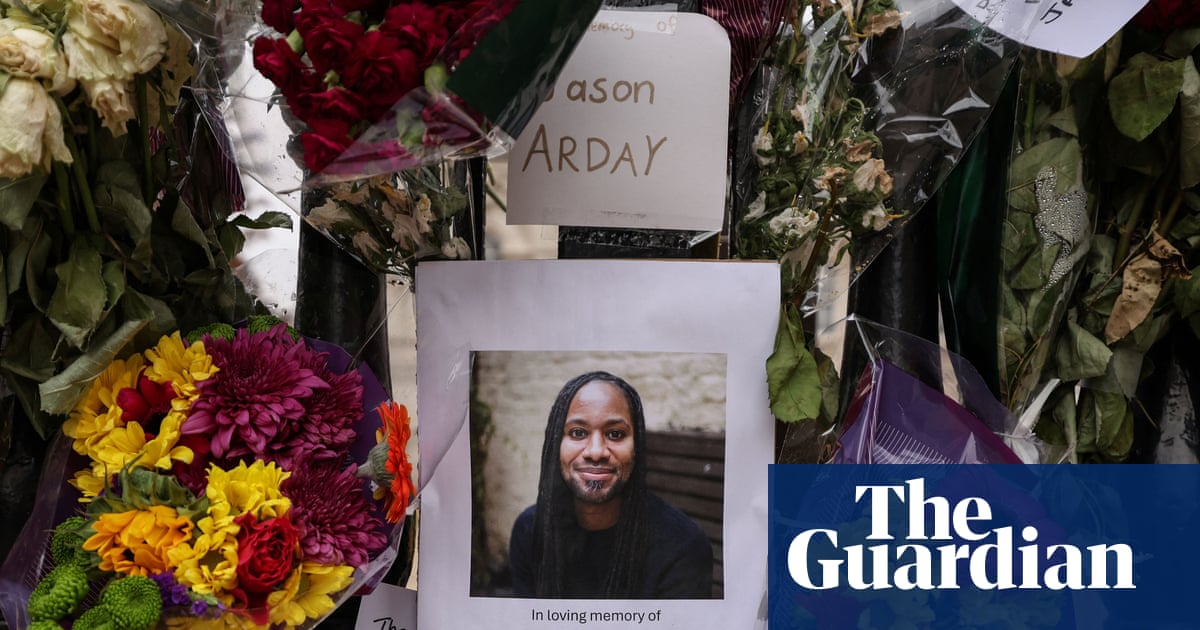
A coroner has officially initiated an inquest into the death of Jason Arday, a prominent academic who recently stepped down from his position at the University of Cambridge. The proceedings began at the London inner south coroner’s court, where family members observed the brief hearing via video link. Dr. Julian Morris, the senior coroner, outlined the immediate events surrounding Arday’s passing, noting that he was discovered unresponsive by relatives at his residence in Battersea, south London.
Emergency responders from the London Ambulance Service and Metropolitan Police arrived at the scene after family members raised the alarm. Despite resuscitative efforts undertaken by medical personnel, Arday was pronounced dead at the location. The coroner emphasized that police investigators determined there were no suspicious circumstances associated with the death. This assessment formed the basis for the decision to proceed with a formal inquest rather than treating the case as a criminal matter.
Dr. Morris announced that the inquest would be adjourned to an unspecified future date to allow for a thorough investigation into the specific circumstances of Arday’s death. During the hearing, the coroner urged media outlets to exercise mindfulness in their reporting, asking journalists to consider the impact of their coverage on Arday’s grieving family and the broader public interest. This request comes amid ongoing tensions regarding how the press has handled the narrative surrounding Arday’s professional downfall and subsequent death.
Arday, aged 41, died on August 14, just nine days after announcing his resignation from Cambridge University. His departure followed a period of intense scrutiny involving allegations of plagiarism and inconsistencies in his accounts of professional achievements. In a statement released at the time of his resignation, Arday attributed his decision to leave the university to the severe personal cost of enduring relentless accusations, speculation, and public commentary. He noted that this pressure had taken a profound toll on both himself and his loved ones.
The controversy surrounding Arday began with accusations that he had plagiarized another academic’s work for his doctoral thesis. However, an investigation conducted by Liverpool John Moores University earlier in the year upheld its decision to award him a PhD, effectively clearing him of those specific charges. Despite this institutional validation, further allegations regarding inconsistencies in his career history emerged, ultimately leading to his resignation from Cambridge, where he had served as professor of sociology of education since 2023.
Arday’s appointment at Cambridge was historically significant, as he became the university’s youngest-ever black professor upon joining the faculty. His personal background included overcoming significant early-life challenges; he has stated that he was nonverbal until age eleven and required extensive speech and language therapy. Additionally, he described being illiterate until he was eighteen years old, a journey that underscored his later academic success and public profile as an advocate for educational equity.
In the wake of his death, Arday’s family issued a statement condemning what they characterized as a campaign of misinformation directed against him. They described him as an amazing father, partner, brother, uncle, and son, emphasizing his role within the family unit rather than his public controversies. The family explicitly requested that the press cease their coverage and leave them alone, accusing media outlets of waging a prolonged campaign of harassment against Jason and his relatives.
The debate over media responsibility in this case remains sharp. While Arday’s supporters and family members have been highly critical of the coverage, arguing it contributed to his distress, others have defended the journalistic scrutiny as necessary given the public nature of his position and the allegations involved. The coroner’s call for mindful reporting suggests an acknowledgment of this tension, even as the legal process moves forward to determine the official cause and circumstances of death.
As the investigation continues, the focus remains on establishing the factual timeline and medical details surrounding Arday’s passing. The adjournment allows time for necessary inquiries to be completed before a full inquest can take place. Until then, the public record reflects only the initial findings that the death was not suspicious and that emergency services responded appropriately to the scene.
The case highlights the complex intersection of academic integrity, public reputation, and personal well-being in the digital age. Arday’s rapid rise to prominence and subsequent fall from grace occurred under intense media spotlight, raising questions about the sustainability of such scrutiny for public figures. The outcome of the inquest may provide further clarity on how these pressures intersected with his final days, though no causal links have been established by authorities at this stage.
Sources behind this briefing
Go to the original reporting
- The Guardian US↗Inquest opens into death of former Cambridge professor Jason Arday

