The short version
- A landlord faced prior warnings about defective smoke detectors before a deadly fire killed a father and five children in Queensland.
- Emergency responders arrived quickly but were unable to enter the structure due to intense heat, while island logistics delayed full firefighting support.
- The coroner will determine if updated safety laws and improved emergency infrastructure might have prevented the tragedy.
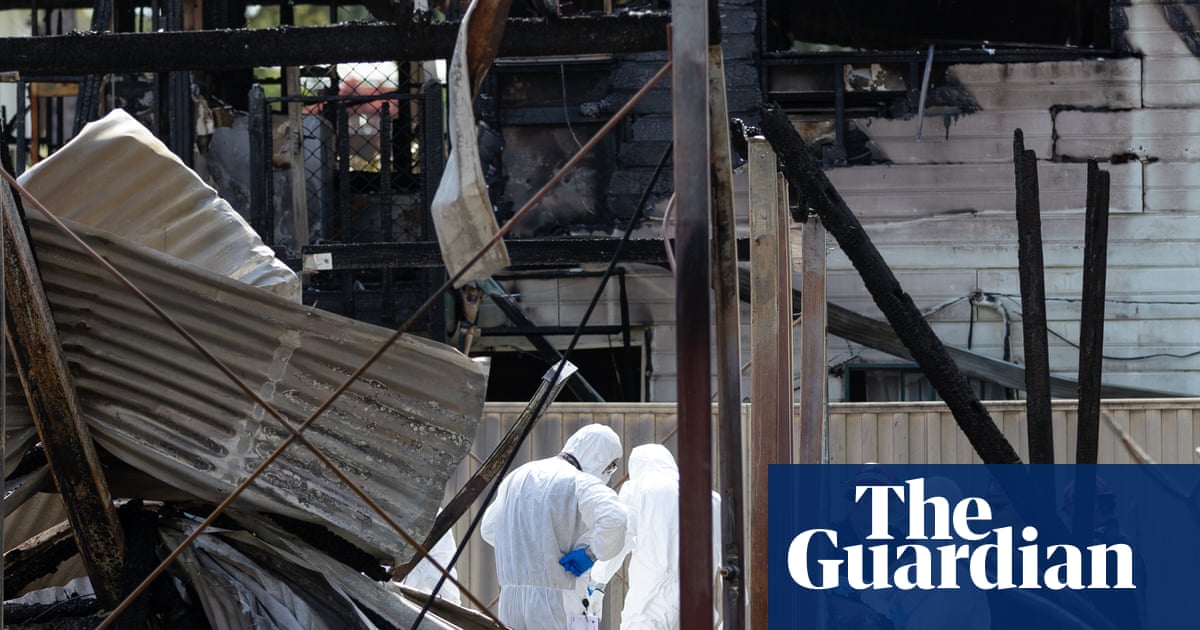
A Queensland coroner is investigating a fatal house fire that claimed the lives of a father and his five children in 2023, focusing on whether neglected safety regulations contributed to the outcome. Deputy State Coroner Donald MacKenzie held a pre-inquest conference regarding the deaths on Russell Island, hearing testimony that witnesses did not hear any smoke alarms during the blaze. The proceedings highlight serious concerns about property maintenance and emergency response capabilities in remote areas.
The tragedy occurred on August 6, 2023, at a two-story wooden Queenslander home that had been relocated to the island and renovated in 2013 before being rented out privately. Five children, ranging in age from three to eleven, perished in the fire. Their thirty-four-year-old father died after attempting to rescue them by running back into the burning building. Legal restrictions prevent the identification of the victims.
Court documents reveal that the parents had been sleeping in a converted area beneath the house when the incident began. The father woke to thick black smoke and immediately went upstairs where the children were resting. His partner attempted to enter the home but was forced back by the intensity of the flames. Another adult woman survived by jumping from a balcony.
Evidence presented indicates that the property owner had been repeatedly warned about improperly installed smoke alarms prior to the fire. In 2024, the landlord was fined $774 for these violations, which represented the maximum penalty allowed under Queensland law at the time, though no conviction was recorded. The court heard that the mother had specifically raised concerns about non-working alarms with the owner, but no repairs were made.
The home’s safety systems failed to meet legislative standards updated in 2017, which imposed stricter requirements for tenancies renewed after January 2022. Despite these rules, the smoke alarms had not been updated. The landlord claimed ignorance of the legal changes during the hearing. Additionally, investigators noted poor wiring conditions, including an exposed electrical box and faulty power points known to short circuit.
Emergency response was complicated by the island’s geography. Queensland Fire and Emergency Services does not maintain a station on Russell Island, requiring vehicles to be ferried over in emergencies, a process taking between forty-five and sixty minutes. Consequently, a paramedic arrived first at approximately 6:26 am, just minutes after the fire was discovered.
The paramedic reported that the heat was so intense it could be felt through his vehicle window, with flames visible from the roof and smoke forming a mushroom cloud. He attempted to enter the building but was halted by the blaze and instead focused on evacuating neighboring homes. Rural firefighters arrived at 6:35 am, but the situation had already escalated beyond their ability to save those inside.
Fire investigators have not determined the exact cause of the fire and cannot rule out the possibility that it was deliberately lit. The coroner has been tasked with examining seven key issues, including whether legally compliant alarms would have prevented the deaths and if the emergency service response was adequate. The inquest is scheduled to sit for ten days in November, hearing from sixteen witnesses.
The case underscores broader questions about housing safety standards and emergency preparedness in isolated communities. While the landlord faced financial penalties for previous violations, the lack of recorded convictions and delayed enforcement may have contributed to the hazardous conditions. The upcoming hearings will seek to clarify whether systemic failures played a role in this preventable loss of life.
As the investigation proceeds, attention remains on whether additional emergency resources stationed on the island could have altered the outcome. The coroner’s findings may influence future policy regarding rental property inspections and emergency service deployment in remote regions. The community awaits answers as the legal process moves forward to determine accountability and potential reforms.
Sources behind this briefing
Go to the original reporting
- The Guardian World↗Mother flagged faulty smoke alarms before house fire that killed father and five children, court hears

