The short version
- North London coroner Tony Murphy determined that Dame Jenni Murray died from bronchopneumonia triggered by rib and sternum fractures.
- Medical testimony indicated the broadcaster was dazzled by vehicle lights before colliding with two stationary cars near Hampstead Heath in March.
- Police closed their investigation into the incident without further action, while tributes highlighted her decades of influential broadcasting.
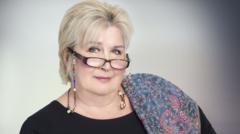
An official inquest has concluded that Dame Jenni Murray, the long-serving presenter of BBC Radio 4’s Woman’s Hour, died from medical complications arising from a car accident. North London area coroner Tony Murphy ruled that the cause of death was bronchopneumonia, a lung infection that developed after she sustained fractures to her ribs and sternum during a collision in north London.
The fatal sequence of events began on March 4, when Murray was driving near Hampstead Heath. According to testimony provided by Dr. Clare Morkane, a consultant at the Royal Free Hospital where Murray was treated, the broadcaster became dazzled by lights from another vehicle. This visual impairment led to a collision with two stationary vehicles at approximately 19:45 GMT.
Following the impact, Murray exited the vehicle on her own but was unable to recall the events leading up to the crash. She was subsequently transported to the hospital, where medical staff identified multiple rib fractures, a fracture to the upper sternum, and a collapsed lung. Initially, she was placed on non-invasive ventilation before being transferred to intensive care.
Despite initial stabilization, Murray’s condition deteriorated as she developed bronchopneumonia. She passed away eight days after the accident, on March 12. The coroner’s findings link the respiratory failure directly to the physical trauma sustained in the collision, establishing a clear medical chain of events from the crash to her death.
The Metropolitan Police conducted an investigation into the circumstances surrounding the crash. However, authorities closed the case with no further action taken against any parties involved. The decision suggests that investigators did not find evidence of criminal negligence or other factors warranting prosecution beyond the accidental nature of the dazzle-induced collision.
Murray’s career in broadcasting spanned more than three decades, during which she became a defining voice for Woman’s Hour. She joined the program in 1987 and remained its presenter until 2020, making her the longest-serving host in the show’s history. Her tenure was marked by a reputation for directness and intellectual rigor.
Listeners and colleagues remembered her for high-profile interviews that often challenged powerful figures. Notable moments included confronting Baroness Margaret Thatcher on childcare policies, questioning Edwina Currie about her relationship with then-Prime Minister John Major, and asking Hillary Clinton about forgiving her husband’s infidelity. She also conducted a memorable interview with singer Joan Baez, which she later described as the peak of her career.
Beyond her professional achievements, Murray was known for her openness about personal health struggles. In 2006, she announced on air that she had been diagnosed with breast cancer, using her platform to discuss the disease candidly with her audience. She also spoke publicly about undergoing weight loss surgery and navigating the menopause, contributing to broader cultural conversations around women’s health.
Her contributions to radio were formally recognized in 2011 when she received a damehood for services to broadcasting. Throughout her career, she won two Sony Awards and was inducted into the Radio Academy Hall of Fame. Following the announcement of her death, BBC director general Tim Davie described her as a broadcasting icon.
Mohit Bakaya, controller of Radio 4, added that Murray was warm, fearless, and beloved by listeners. The inquest provides a definitive account of the medical and circumstantial factors leading to her death, closing a chapter on an incident that occurred months prior while honoring a significant figure in British media history.
Sources behind this briefing
Go to the original reporting
- BBC News↗Dame Jenni Murray died days after car crash, inquest hears

