The short version
- Prince Ali bin Al Hussein accuses FIFA leadership of threatening to withhold funds from Jordan unless he endorsed Gianni Infantino's re-election bid.
- Senior FIFA officials, including Secretary General Mattias Grafström and Arsène Wenger, have publicly criticized the abandoned private investment plan as a failure.
- Support for Infantino is eroding across Europe and potentially in CONCACAF, with several nations withdrawing their endorsements ahead of the upcoming election.
The leadership of FIFA is confronting a deepening crisis as internal support for President Gianni Infantino fractures under the weight of failed initiatives and allegations of coercive tactics. The global governing body’s authority has been significantly undermined by the abrupt collapse of its private investment strategy, known as the FIFA Forward Enterprise. This strategic misstep has triggered open criticism from within the organization’s highest ranks, while external accusations suggest that financial leverage may have been used to secure political loyalty ahead of the upcoming presidential election.
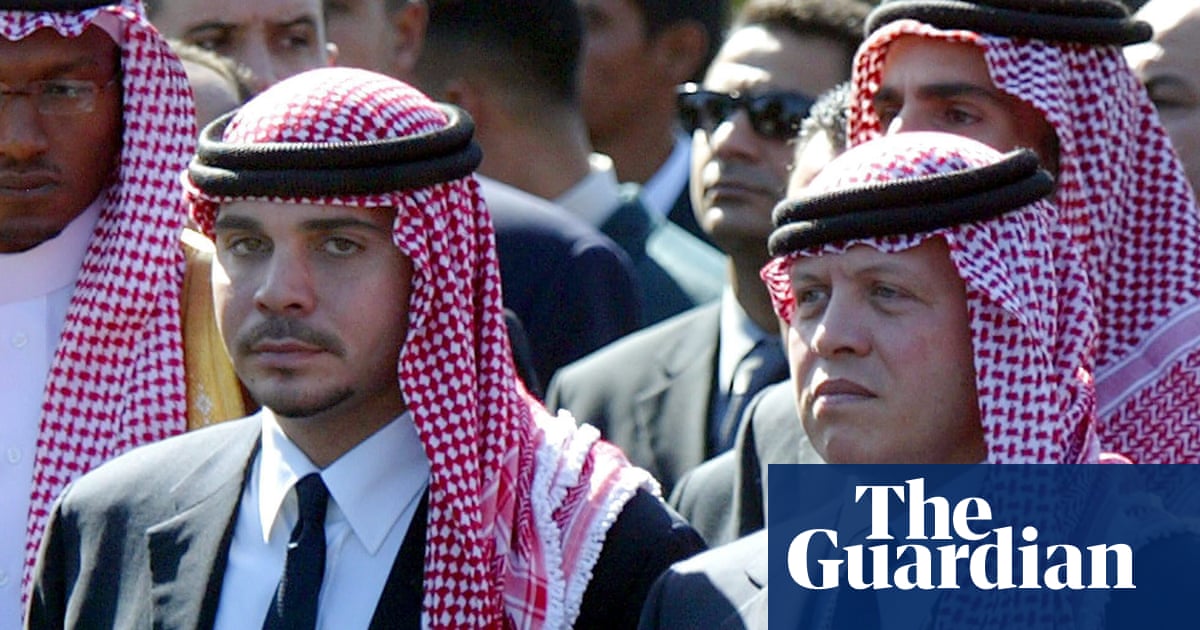
At the center of these allegations is Prince Ali bin Al Hussein, president of the Jordan Football Association and head of the West Asian Football Federation. In a public statement, Prince Ali accused Infantino’s administration of engaging in blackmail by threatening to block financial assistance to Jordan unless he endorsed the president’s bid for a fourth term. He highlighted specific grievances, noting that Jordanian players had not received prize money from the Arab Cup held in Qatar last year, despite FIFA boasting of substantial financial reserves. The delay in payments and other administrative hurdles, including visa issues for fans attending the World Cup, were cited as evidence of systemic neglect.
Prince Ali’s intervention carries significant weight given his previous role as a candidate in the 2016 FIFA presidential election, where he finished third. His federation oversees influential member states such as Qatar and the United Arab Emirates, which had previously signaled support for Infantino. By publicly rejecting the alleged coercion, Prince Ali has challenged the narrative of unity surrounding Infantino’s re-election campaign. He emphasized Jordan’s commitment to ethical values, stating that the federation would not endorse Infantino under duress, thereby framing the issue as a matter of integrity rather than mere political maneuvering.
Simultaneously, the internal culture at FIFA appears to be shifting as key allies distance themselves from the president’s controversial projects. Mattias Grafström, the FIFA secretary general and Infantino’s second-in-command, described the botched investment plan in an internal email as a sad and reproachable series of events. While Grafström stopped short of directly criticizing Infantino by name, his language conveyed a sense of dismay regarding the turmoil that enveloped the organization. He urged staff to maintain professionalism and composure, acknowledging the difficulty of accepting such unfortunate episodes while attempting to shield colleagues from the broader strife.
Arsène Wenger, FIFA’s chief of global development, also weighed in on the situation, confirming that he had been sidelined during the planning of the strategic initiative. The former Arsenal manager stated that his awareness of the project came only through media reports, underscoring a lack of transparency within the executive circle. Wenger characterized the decision to withdraw the project as absolutely necessary and beyond question, aligning himself with calls for an independent FIFA that operates with commitment, transparency, and integrity. His public stance adds further pressure on Infantino, as it signals that even senior appointees are unwilling to defend the failed strategy.
The erosion of support extends beyond internal staff to national federations around the world. Greece has recently withdrawn its endorsement for Infantino, joining a growing list of countries including England, Wales, Finland, and Serbia that have pulled their backing. This trend suggests a broader disillusionment with Infantino’s leadership style and strategic direction among European nations. Reports indicate that additional European federations are expected to follow suit in the coming days, potentially altering the landscape of the upcoming election significantly.
The instability is not confined to Europe, as several nations within CONCACAF, the confederation representing North, Central America, and the Caribbean, are also reconsidering their support. These developments mark a stark contrast to earlier efforts by Infantino’s camp to secure widespread endorsements through formal letters of support. The concerted pressure applied to various countries to back Infantino before the March election has now backfired, leading to a fragmentation of his coalition.
As the election approaches, the combination of financial disputes, internal dissent, and public accusations paints a picture of an organization in disarray. FIFA has been contacted for comment regarding Prince Ali’s specific allegations of blackmail, but no immediate response has been provided. The coming weeks will likely reveal whether Infantino can stabilize his position or if the cumulative weight of these challenges will force a significant shift in global football governance. The situation underscores the fragility of authority when built on controversial financial strategies and perceived coercion.
The broader implications for world football remain uncertain, as the institution’s mission and responsibility to the game continue amidst this turmoil. While individual leaders and unstable moments may come and go, the long-term impact of these events on FIFA’s reputation and operational integrity will depend on how the organization addresses these systemic issues. The current crisis serves as a critical test for the governing body’s ability to maintain trust among its member associations and the global football community.
With no clear resolution in sight, stakeholders are watching closely to see if reforms can be implemented to restore confidence in FIFA’s leadership. The departure of key supporters and the public nature of the criticisms suggest that Infantino faces a formidable challenge in securing re-election. The outcome will likely shape the future direction of international football, influencing everything from financial distribution to ethical standards within the sport.
Sources behind this briefing
Go to the original reporting
- The Guardian US↗Fifa accused of using ‘blackmail’ to force support for Infantino’s re-election bid

