The short version
- Macs Green, an infant diagnosed with dilated cardiomyopathy, has been fitted with a Berlin Heart device after suffering cardiac arrests and failing to respond to initial treatments.
- The mechanical pump allows the child to be weaned off heavy sedation, leading to noticeable improvements in his responsiveness and interaction with his parents.
- Medical teams have indicated that Macs will require a heart transplant, with estimates suggesting a wait time of up to two years or more while he remains on the temporary device.
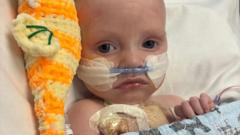
An infant in the United Kingdom has shown significant signs of recovery after undergoing surgery to install a mechanical heart pump, marking a critical turning point in his battle against severe heart failure. Macs Green, who was previously described by his family as entirely healthy, suffered two cardiac arrests that led to a diagnosis of dilated cardiomyopathy. This condition weakens the heart muscle and can rapidly progress to heart failure, creating an immediate life-threatening scenario for the baby.
Before the recent intervention, Macs was treated at Bristol Royal Children’s Hospital, where he relied on extracorporeal membrane oxygenation, or ECMO, to circulate oxygenated blood through his body. His parents, Catrin and Dylan Green, reported that medical professionals had discussed end-of-life care due to the severity of his condition. The family faced a difficult period characterized by uncertainty and fear, as they watched their child remain unresponsive while heavily sedated on life-support machinery.
The clinical course changed when Macs was transferred to Newcastle’s Freeman Hospital for specialized surgery. On August 7, surgeons fitted him with a Berlin Heart, an external ventricular assist device designed to take over the pumping function of a failing heart. This air-driven pump sits outside the body and maintains blood circulation, serving as a bridge to transplantation for patients who are too ill to wait for a donor organ without mechanical support.
Following the procedure, the family observed a dramatic shift in Macs’ condition. Dylan Green noted that the infant is now smiling and responding to his parents, a stark contrast to his previous state of lying motionless on a hospital bed. The ability to reduce sedative medications has allowed Macs to regain alertness and interact with his environment. Catrin Green described the change as feeling like they have their baby back, emphasizing the emotional relief accompanying the medical stabilization.
Despite this positive development, the Berlin Heart is not a permanent solution. It serves as a temporary measure to keep patients alive while they await a suitable donor heart. Medical teams have informed the Greens that Macs still requires a transplant to survive long-term. The device carries inherent risks, including potential complications associated with external pumps and prolonged hospitalization, which adds a layer of ongoing anxiety for the family.
The timeline for securing a donor organ remains uncertain and potentially lengthy. Doctors have suggested that Macs could face a waiting period of eighteen months or longer, with possibilities extending to two years or more. This extended wait means the infant must remain dependent on the mechanical device and under close medical supervision for an indefinite period. The unpredictability of organ availability creates a precarious situation where any complication with the pump could be fatal.
The case highlights the broader challenges within the UK’s pediatric transplant system. According to NHS Blood and Transplant data, only seventeen Berlin Heart devices were fitted in children across the country during the 2024-25 period. This low number underscores the rarity of such interventions and the limited capacity for this specific type of life-support technology in pediatric care. Each case requires significant resources and specialized surgical expertise.
In light of their experience, the Green family is advocating for increased awareness regarding organ donation among parents who may lose a child. They have expressed gratitude to the medical staff at both Bristol and Newcastle hospitals for their care and support throughout the crisis. Their public appeal aims to encourage others to consider registering as donors, potentially saving lives similar to Macs’ in the future.
The situation illustrates the complex intersection of advanced medical technology and the limitations of organ supply. While devices like the Berlin Heart offer a lifeline for critically ill infants, they do not eliminate the need for transplantation. Families must navigate a prolonged period of vulnerability, balancing hope for recovery with the reality of long-term dependency on mechanical support.
As Macs continues to thrive under the care of his medical team, the focus remains on finding a compatible donor heart. The coming months will test the durability of the temporary device and the resilience of the infant’s body. For now, the immediate threat of death has receded, replaced by a long-term wait that requires patience, vigilance, and continued support from both medical professionals and the community.
Sources behind this briefing
Go to the original reporting
- BBC News↗Baby whose parents feared had just days to live is 'thriving' after life-saving heart operation

