The short version
- Fire emissions from Indonesia accounted for over a third of the global total in early September, with burned areas exceeding previous severe years.
- Respiratory illness cases have more than doubled in recent weeks, prompting school closures and emergency room surges in affected provinces.
- Transboundary haze has reached hazardous levels in parts of Malaysia, Singapore, Brunei, and the Philippines, straining regional diplomatic relations.
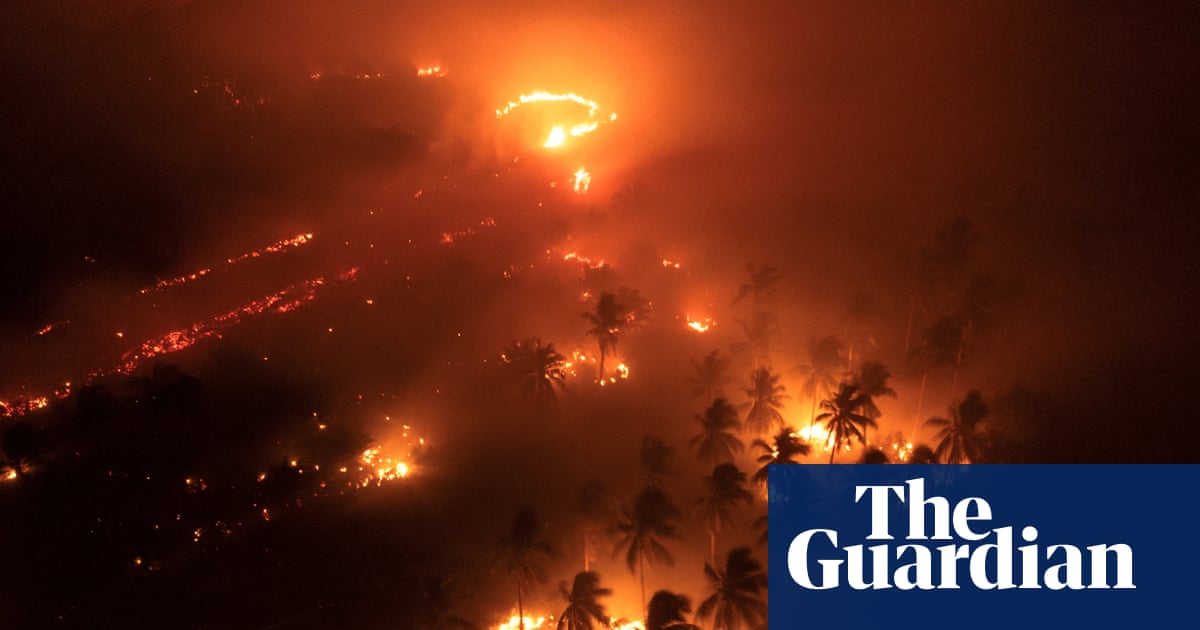
A severe haze crisis is unfolding across Indonesia and its neighbors, driven by extensive wildfires on the islands of Borneo and Sumatra. The situation has escalated rapidly due to a combination of illegal land-clearing practices and extreme weather conditions associated with this year’s super El Niño. Toxic smoke from these blazes is shrouding cities, forcing residents to remain indoors, and creating a public health emergency that extends beyond Indonesian borders.
The scale of the destruction is significant. Data indicates that at least 895,657 hectares have burned across Indonesia since January, a figure that represents a 34% increase compared to the severe fire season of 2019. Experts note that current trends are far worse than those seen in 2019 or 2023, marking this as an exceptionally bad year for wildfire activity. The hardest-hit regions include Sumatra, Kalimantan, and Papua, where the landscape has been transformed by thick, sepia-toned haze.
Much of the burning occurs on drained peatlands, a terrain that poses unique challenges for firefighting efforts. These fires can smolder underground for weeks, resurfacing in different locations and generating dense smoke even when water is applied. Ecologists describe these tropical peatland fires as particularly destructive legacies of decades of forest degradation and deforestation. The difficulty in extinguishing them means that the environmental damage accumulates over time, making containment efforts increasingly complex.
The human cost of the haze is immediate and severe. In affected provinces, the number of people suffering from wildfire-related respiratory illnesses more than doubled between early September and mid-September, rising from approximately 50,891 to 113,336 cases. Emergency rooms are inundated with patients, and schools have been forced to close to protect children. Residents describe visceral physical symptoms, including stinging eyes, dizziness, and a sensation of breathing in smoke that feels akin to smoking cigarettes.
Air quality measurements reflect the danger. In Sampit, central Kalimantan, air quality index ratings have consistently reached hazardous levels, with one reading hitting 1,142 on September 10. This places the air quality in the worst possible category, far beyond unhealthy thresholds. Similar hazardous conditions have been recorded in Kuching, the largest city in Malaysian Borneo, where levels fluctuate between unhealthy and hazardous. The pervasive nature of the smoke means that even indoor spaces are not safe, as ash and particulate matter seep through doors and windows.
The crisis is not confined to Indonesia. Transboundary haze has blanketed parts of Malaysia, Singapore, Brunei, and the Philippines. Monsoonal winds have carried smoke as far as Manila, prompting health advisories for residents to wear masks and stay indoors. This recurring environmental issue has strained diplomatic relations in the region. Malaysia has called for a review of the 2003 ASEAN agreement on transboundary haze, citing the need for stronger enforcement mechanisms to address the root causes of the fires.
Authorities are responding with a mix of investigation and direct intervention. Indonesia’s environment ministry is investigating 19 companies allegedly linked to the illegal burning, while police have arrested 113 individuals suspected of starting fires. The government has deployed military personnel, aircraft, helicopters, and drones to combat the blazes. International assistance is also arriving, with Malaysia providing helicopters, an aircraft, and personnel, while Japan has sent additional firefighting resources.
Despite these efforts, enforcement remains a significant challenge. The practice of slash-and-burn agriculture persists as a cheap method for clearing land for oil palm plantations, of which Indonesia is the world’s largest producer. While small-scale blazes often spiral out of control in hot, dry conditions, the underlying economic incentives drive the cycle of destruction. Community groups, including volunteer firefighter teams, are working on the ground, but the scale of the problem requires sustained political and legal pressure to change land management practices.
The coming weeks will likely see continued volatility as the super El Niño conditions persist. The combination of dry peatlands and high temperatures creates a volatile environment where new fires can ignite easily. Public health officials warn that the respiratory toll may continue to rise if air quality does not improve. The situation underscores the urgent need for effective regional cooperation and stricter enforcement against illegal deforestation to prevent future crises of this magnitude.
As the haze lingers, the focus remains on mitigating immediate health risks while addressing the long-term environmental damage. The current crisis highlights the intersection of climate change, economic pressure, and regulatory failure in Southeast Asia. Without significant changes to land use policies and enforcement capabilities, the region faces the prospect of recurring hazardous haze events that threaten both human health and ecological stability.
Sources behind this briefing
Go to the original reporting
- The Guardian US↗‘The physical toll is visceral’: How Indonesia’s fire haze affects millions - visual guide

