The short version
- At least six people have died across Indiana due to severe storms and flooding that began in mid-August, including a child killed by wind and others swept away by rising rivers.
- The White River crested at record-breaking levels in several communities, surpassing benchmarks set more than a century ago and prompting the evacuation of hundreds of residents.
- Federal disaster assistance has been approved to support recovery efforts as utility crews work to restore power to nearly 130,000 customers still affected by the outages.
A week of relentless storms and historic flooding across Indiana has claimed at least six lives, leaving communities grappling with significant infrastructure damage and personal loss. As of Sunday, floodwaters in the state capital region were expected to ease, marking a potential turning point after days of escalating danger. The White River, which runs through Indianapolis, reached its peak early Sunday morning, with water levels holding steady for several hours before beginning a slow retreat. This shift offers a narrow window for recovery operations to intensify as conditions stabilize.
The human toll of the disaster includes victims from diverse circumstances, highlighting the varied dangers posed by the extreme weather. In Jennings County, located in the southern part of the state, a four-year-old boy died when strong winds caused a tree to crash through his bedroom on Tuesday. Officials described the incident as unexpected and emphasized the community's resolve to endure the crisis. The death underscores how severe wind events accompanying the rainstorms presented immediate threats to residential safety beyond just water levels.
Other fatalities were directly linked to the rapidly rising rivers that overwhelmed roads and bridges. In Delaware County, east of Indianapolis, authorities recovered the body of Matthew Morey, a 19-year-old recent high school graduate who had planned to attend Purdue University. He had jumped into the Mississinewa River with friends three days prior to his death. Family members gathered at the bridge to honor him and warn others about the deceptive dangers of swollen waterways. Nearby, Stephanie Sallee, 58, was found in a cornfield after her vehicle was swept away by floodwaters while she was driving on a submerged road.
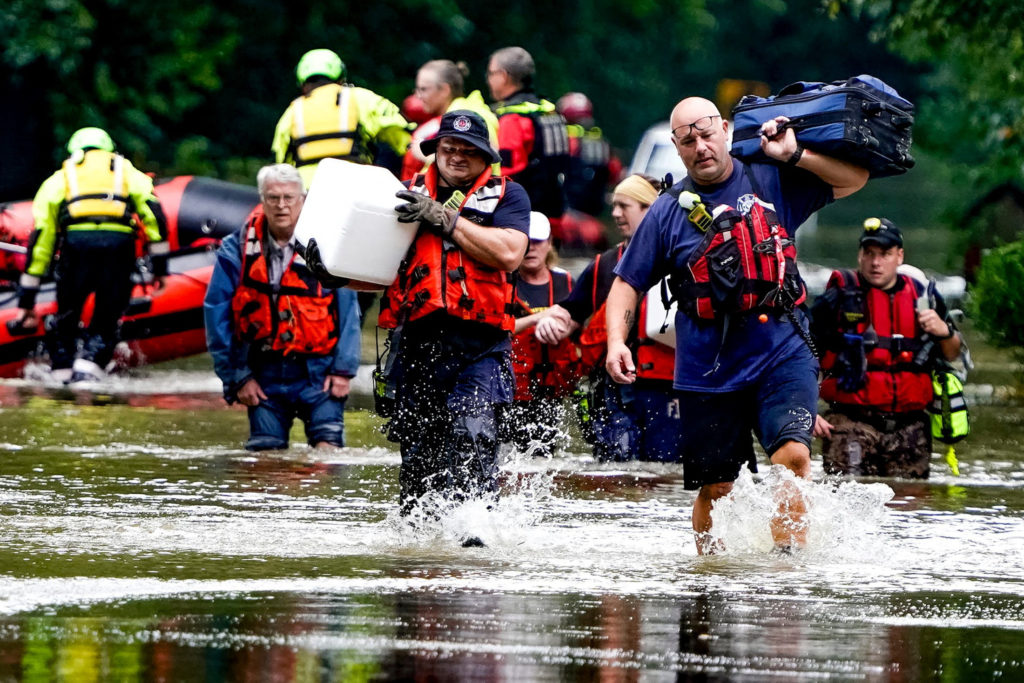
In Indianapolis, the flooding represented the most severe inundation the city has experienced in more than three decades. Mayor Joe Hogsett characterized the event as unprecedented in recent memory. The White River crested at over 24 feet in Anderson and Noblesville, surpassing records established in 1913. City officials reopened floodgates on Sunday to manage water flow, while emergency shelters remained open for residents who had been evacuated from homes along the river and its canals. First responders utilized boats to rescue individuals stranded by the rapidly rising waters throughout the week.
Recovery efforts are now shifting from immediate rescue to assessment and repair. Christine Altman, president of the Hamilton County board of commissioners, noted that the county north of Indianapolis avoided any loss of life but faces significant infrastructure challenges. Officials are evaluating a major bridge damaged during the floods to determine whether it can be repaired or requires complete replacement. While the rain has stopped in some areas, allowing for a sense of relief, the physical aftermath remains substantial, with roads and bridges across the state either seriously damaged or washed out entirely.
Utility restoration continues to be a major focus as crews work to reconnect power to affected households. By midday Sunday, nearly 130,000 customers statewide remained without electricity, a significant decrease from the peak of approximately 300,000 outages reported earlier in the crisis. Liz Woods, a spokesperson for the state Department of Homeland Security, confirmed these figures, indicating steady progress in restoring essential services. The reduction in outage numbers suggests that while the situation remains critical, the most acute phase of infrastructure failure may be passing.
Federal support has been mobilized to assist with the extensive recovery needs. President Donald Trump approved Governor Mike Braun’s request for federal disaster assistance on Saturday, enabling additional resources for response and rebuilding efforts. This aid is crucial given the scale of the damage, which includes more than 350 evacuations and numerous rescue operations across the state, including at a senior mobile home community north of Indianapolis. The approval signals a coordinated effort to address both immediate humanitarian needs and long-term infrastructure repairs.
Despite the easing conditions in some areas, risks remain high. The National Weather Service warned that heavy rain and flash flooding were still possible across portions of central Indiana throughout Sunday. Residents were urged to monitor river and weather forecasts closely and avoid dangerous, fast-moving waters. The storms have caused significant flooding along most rivers and creeks in the region, creating hazardous conditions that persist even as the immediate threat of new rainfall diminishes. Caution remains essential as communities navigate the aftermath of this historic weather event.
The broader context of this disaster includes severe weather impacting the Midwest and beyond. Tornadoes, heavy rains, and flash flooding have caused serious damage to communities stretching from Illinois to western Pennsylvania. Indiana’s experience is part of a larger pattern of extreme weather events that have wreaked havoc across multiple states in recent days. As Indiana begins its recovery, the state joins other regions in dealing with the complex challenges posed by increasingly volatile weather systems.
Looking ahead, the focus will remain on rebuilding infrastructure and supporting affected families. The combination of record-breaking river levels, widespread power outages, and tragic loss of life presents a formidable challenge for local and state authorities. While the immediate danger of rising waters is receding in Indianapolis, the long-term impacts of this flooding will be felt for months to come. Community resilience and federal assistance will be key factors in determining how quickly normalcy can be restored across the affected areas.
Sources behind this briefing
Go to the original reporting
- PBS NewsHour↗At least 6 people have died from days of storms and record-setting flooding in Indiana

