The short version
- At least five fatalities have been confirmed as historic floods sweep through Indiana, with officials describing the event as the worst in over three decades.
- The White River has crested above previous records in several communities, forcing evacuations and overwhelming local emergency response capabilities.
- Governor Mike Braun has secured federal assistance for recovery efforts while hundreds of thousands of residents face power outages and dangerous water conditions.
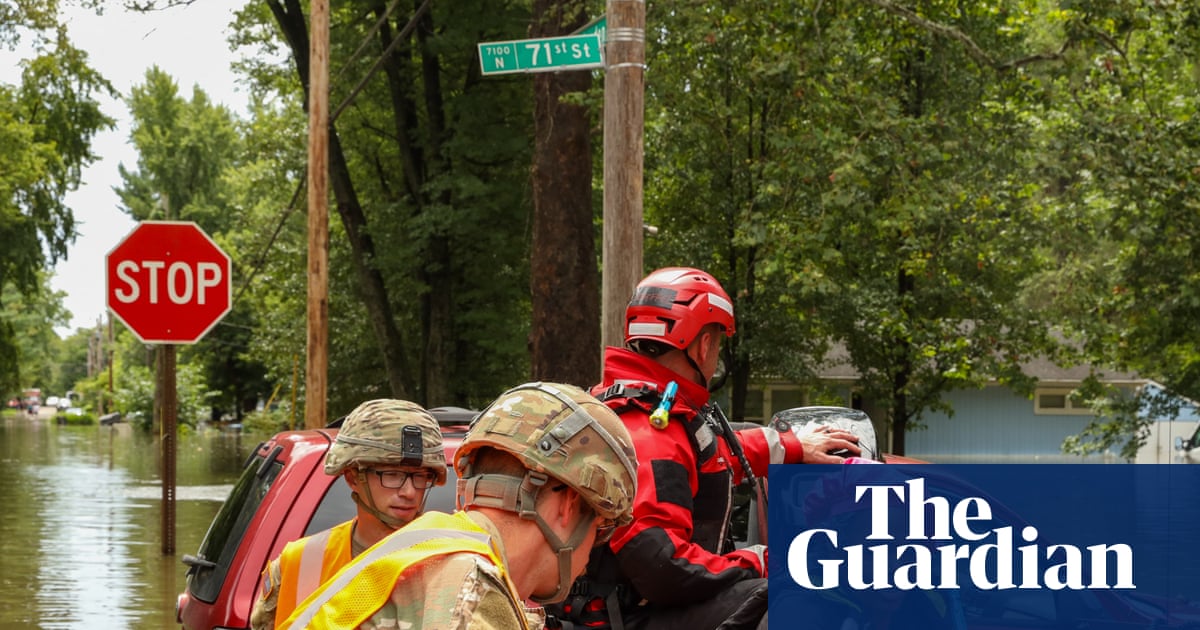
Severe weather systems have unleashed catastrophic flooding across Indiana, resulting in at least five confirmed deaths and widespread infrastructure damage. Officials describe the current crisis as the most significant flood event in the state for more than thirty years. The deluge has overwhelmed drainage systems and riverbanks, particularly along the White River corridor in Indianapolis, where rising waters have forced first responders to deploy boats for rescue operations in residential neighborhoods.
Meteorological data indicates that certain areas received more than eleven inches of precipitation over a forty-eight-hour period. This intense rainfall caused the White River to crest at levels exceeding twenty-four feet in Anderson and Noblesville. These measurements surpass historical records established in 1913, marking an unprecedented hydrological event for the region. The sheer volume of water has stretched the operational capacity of local emergency services, which are struggling to manage simultaneous rescue missions and safety inspections across multiple counties.
The human toll of the disaster includes fatalities in several distinct incidents. In Delaware County, law enforcement recovered the body of a fifty-eight-year-old woman who authorities believe died after attempting to drive through submerged roadways. A teenager was also found deceased after jumping into a river earlier in the week. Additionally, a four-year-old child in Jennings County died when a tree fell on his home during the storm. These tragedies underscore the immediate dangers posed by rapidly rising water and unstable infrastructure.
Emergency officials have issued urgent warnings regarding the physical risks of floodwaters. Jerry Martin, deputy chief of the Indianapolis Fire Department, emphasized that even shallow water poses lethal threats to pedestrians and drivers. He noted that six inches of water can immobilize a vehicle, while eight inches can displace it entirely from the roadway. Furthermore, just three inches of moving water is sufficient to knock an adult off their feet. These statistics highlight why authorities are urging residents to avoid all contact with flood zones.
The situation remains dynamic and dangerous as water levels continue to climb. Todd Wilson, director of the city’s public works department, stated that river levels were expected to rise throughout the day. Flash flood warnings have been extended to northeastern Hendricks County and northern Marion County in central Indiana. The geographic spread of the flooding has affected areas not typically prone to such severe inundation, complicating response efforts and increasing the number of at-risk residents.
Evacuation orders and voluntary departures have displaced hundreds of people across the state. Approximately four hundred individuals left parts of northern Indianapolis on their own initiative. In Delaware County, more than three hundred evacuations were reported, while a senior mobile home community in Tipton County was also cleared. Rescue teams conducted welfare checks and extractions in Fayette County as well. Rita Reith, a spokesperson for the Indianapolis Fire Department, reported that ninety-five people and forty-five pets had been rescued by late afternoon, with dispatchers handling hundreds of service calls throughout the day.
Infrastructure damage is extensive, with more than one hundred fifty thousand customers experiencing power outages according to Northern Indiana Public Service Company. The scale of the disaster has prompted Governor Mike Braun to request federal resources for response and recovery operations. President Donald Trump has indicated his intention to approve this request. This development occurs against a backdrop of political analysis suggesting that Republican-led states have received a higher percentage of approved aid requests during the current administration, according to research from the nonpartisan Urban Institute.
As the immediate threat persists, authorities are focusing on life-saving measures and damage assessment. The combination of record-breaking rainfall, historic river crests, and widespread power loss presents a complex challenge for state and local governments. Residents in affected areas are advised to remain vigilant and heed all evacuation warnings as water levels continue to fluctuate. The long-term recovery process will likely require significant federal support given the unprecedented nature of the flooding.
Sources behind this briefing
Go to the original reporting
- The Guardian US↗At least five people dead in Indiana amid worst flooding in over 30 years, officials say

