The short version
- At least five fatalities have been confirmed across Indiana following days of intense rainfall that caused rivers and creeks to overflow.
- Emergency crews in Indianapolis rescued over ninety people and dozens of pets as the White River approached its peak levels, surpassing records set more than a century ago.
- Governor Mike Braun has requested federal assistance, with President Donald Trump expected to approve the declaration to support recovery efforts.
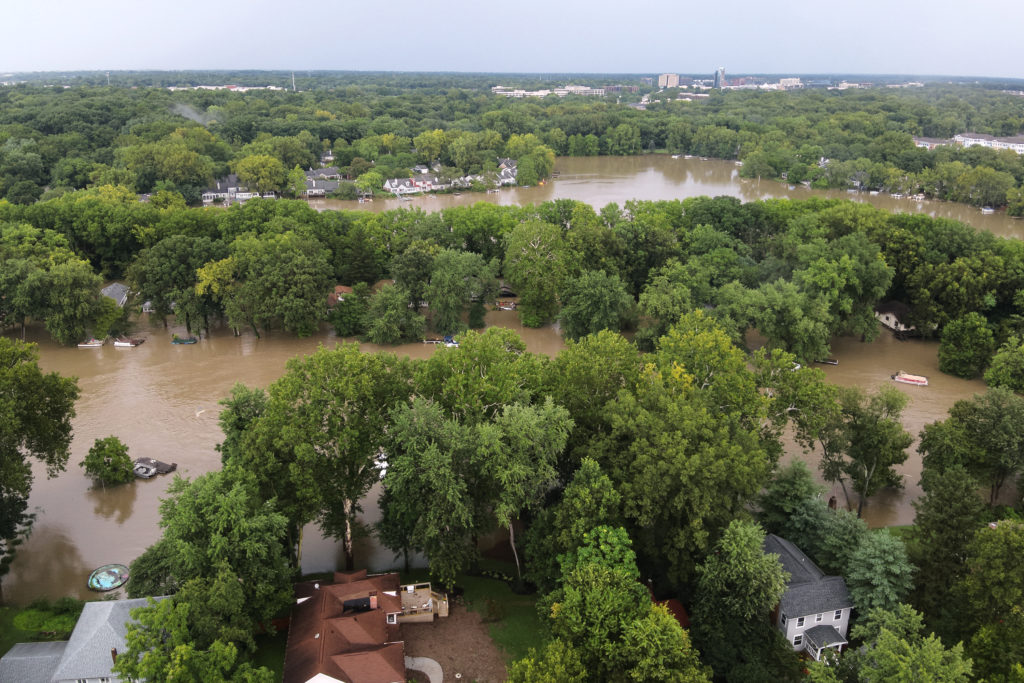
Authorities in Indiana are responding to severe flooding that has claimed at least five lives and triggered widespread emergency operations across the state. The crisis stems from a week of heavy precipitation that caused waterways to swell rapidly, overwhelming drainage systems and inundating neighborhoods. First responders have been working continuously to extract residents from rising waters, particularly along the White River corridor in Indianapolis and surrounding areas.
The death toll includes a 58-year-old woman found by sheriff deputies in Delaware County, who officials believe perished after attempting to drive through floodwaters. Other fatalities occurred in various parts of the state as rivers and creeks surged beyond their banks. Governor Mike Braun expressed condolences to those who lost family members and urged the public to treat the situation with extreme caution, emphasizing the dangers of moving water.
In Indianapolis, the scale of the emergency became apparent as floodwaters rose significantly on Saturday. Mayor Joe Hogsett declared a local emergency after observing creeks and streams swelling throughout central Indiana. During a briefing with emergency managers, he urged residents living near the river to evacuate immediately. The situation was described by Marion County Emergency Management Director Jacob Spence as an unprecedented event, noting that new records were being set for flood levels in the region.
Rescue operations intensified as the water levels climbed. By early afternoon on Saturday, the Indianapolis Fire Department reported that 91 people and 45 pets had been rescued from stranded vehicles and flooded homes. National Guard vehicles were deployed to assist in these efforts. Rita Reith, a spokesperson for the fire department, highlighted the ongoing nature of the crisis, noting that rescues were still active as conditions remained volatile.
Meteorological data indicates the severity of the weather event. The National Weather Service reported that some areas received more than 11 inches of rain over a two-day period. This deluge caused the White River to crest at more than 24 feet in communities such as Anderson and Noblesville, surpassing flood records established in 1913. Forecasters warned that additional showers and thunderstorms were expected to move into the area, potentially exacerbating the flooding.
The damage has been concentrated along the river corridor extending from Hamilton County into the northern suburbs of Indianapolis. Social media posts from residents showed vehicles stranded in deep water, power poles toppling under the force of rushing currents, and intersections completely submerged. Todd Wilson, director of the city’s public works department, cautioned that water levels were still rising and advised residents to heed all warnings.
Governor Braun has formally requested a presidential emergency declaration to unlock federal resources for response and recovery operations. He confirmed that President Donald Trump intends to approve this request. This federal support is critical given the historic nature of the flooding and the extensive damage reported across central Indiana. The declaration will facilitate access to funds and personnel needed to assist affected communities.
Flash-flood warnings and watches remained in effect across a swath of central Indiana on Saturday. In Warren County, forecasters noted that two inches of rain had fallen in just six hours, illustrating the continued intensity of the storm system. Earlier in the week, severe storms had already caused tornadoes and flash flooding across other parts of the Midwest, affecting areas from Chicago to western Pennsylvania. The current situation in Indiana represents a significant escalation of these broader weather patterns.
As the White River approached its expected crest on Saturday evening, authorities maintained a high state of alert. The combination of record rainfall, historic river levels, and ongoing storm threats created a complex emergency management challenge. Officials emphasized that the danger was not yet over, with water levels still fluctuating and the potential for further damage remaining high. Residents were advised to stay informed and avoid any contact with floodwaters.
The aftermath of this event will likely involve extensive cleanup and recovery efforts. The historic nature of the flooding suggests that infrastructure repairs may be substantial, particularly in areas where records from 1913 were broken. Federal assistance will play a key role in supporting local governments and residents as they begin to assess the full extent of the damage and rebuild affected communities.
Sources behind this briefing
Go to the original reporting
- PBS NewsHour↗Indiana authorities say at least 5 people have died in flooding across the state

