The short version
- The Bombay High Court has sentenced Tarun Tejpal, the founder of Tehelka magazine, to ten years in rigorous imprisonment for raping a junior colleague in 2013.
- This ruling overturns a 2021 acquittal by a lower court in Goa, marking a significant reversal in a case that had drawn intense national scrutiny regarding sexual violence and media accountability.
- Tejpal has announced plans to appeal the conviction to the Supreme Court, while prosecutors hailed the verdict as a critical victory for women’s rights in the workplace.
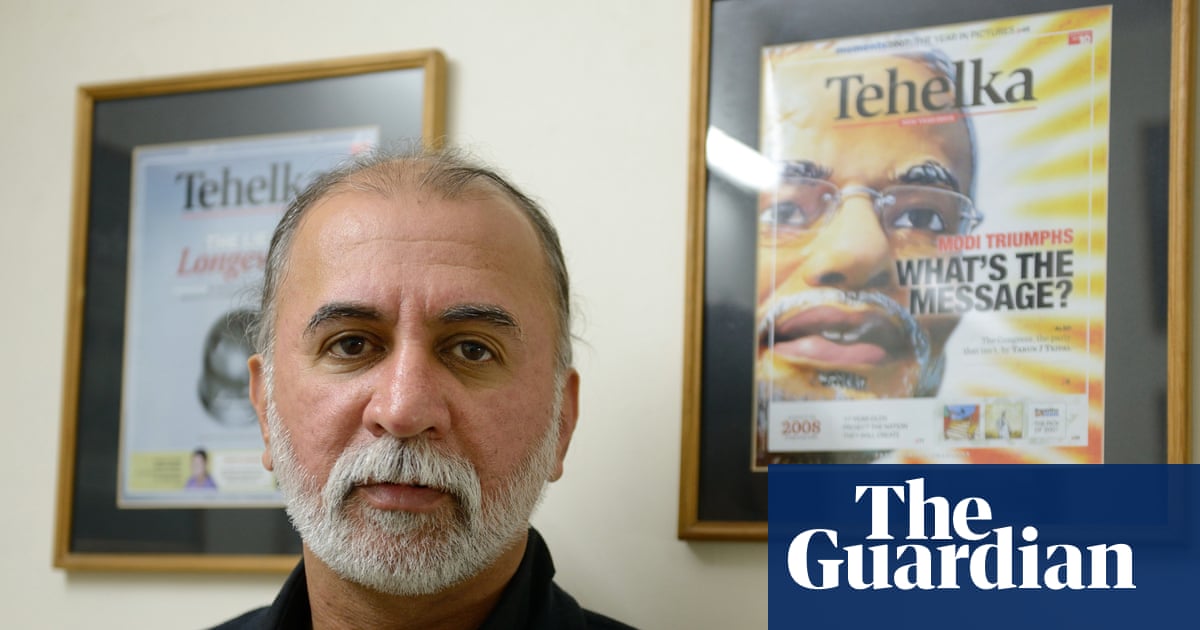
A high-profile legal battle concerning sexual assault within India’s media industry has reached a decisive juncture with the Bombay High Court overturning a previous acquittal. The court sentenced Tarun Tejpal, the founder and former editor of the investigative publication Tehelka, to ten years in prison. This ruling reverses a 2021 decision by a trial court in Goa that had cleared Tejpal of charges including rape, sexual harassment, and wrongful restraint. The conviction carries significant weight given Tejpal’s status as a prominent figure in Indian journalism and the intense public interest surrounding the case since its inception.
The incident at the center of the legal proceedings occurred in November 2013 during an event held at a five-star hotel in Goa. Tejpal, who was sixty-three years old at the time of his recent sentencing, was accused of raping a junior colleague inside the elevator of the hotel. Following his arrest, he spent seven months in custody before the Supreme Court granted him bail. The case quickly became a focal point for discussions on power dynamics within newsrooms and the broader societal response to sexual violence in India.
The legal trajectory of the case has been marked by significant reversals. After the initial acquittal in 2021, the government of Goa challenged the verdict before the Bombay High Court. The higher court set aside the trial court’s decision, finding sufficient evidence to convict Tejpal. In addition to the ten-year prison term, the court ordered him to pay a fine equivalent to approximately £3,900. Police investigator Sunita Sawant, who led the prosecution team, stated that Tejpal has been given two weeks to surrender to authorities.
Reactions to the verdict highlight the polarized nature of the case. Tejpal has maintained his innocence throughout the proceedings, initially describing the incident as a lapse in judgment before alleging that the charges were part of a political vendetta orchestrated by the Bharatiya Janata Party government in Goa. He stated that he intends to challenge the conviction in the Supreme Court, arguing that he has been pursued for thirteen years due to political motives rather than legal merit.
Conversely, prosecutors and supporters of the victim have framed the ruling as a landmark moment for workplace safety. Sunita Sawant emphasized the importance of the judgment for women working in any sector, noting that it represents a victory for those who stand up for their rights. The case emerged during a period of intense scrutiny regarding India’s handling of sexual assault cases, following widespread outrage over the gang-rape and murder of a student on a Delhi bus in December 2012.
That earlier tragedy triggered nationwide protests and international criticism, prompting the Indian government to strengthen its rape laws. Tejpal’s case became intertwined with these broader societal shifts, serving as a test of whether legal reforms would apply equally to powerful figures in media and politics. The prolonged legal battle underscored the complexities of prosecuting high-profile individuals and the challenges victims face in seeking justice within a hierarchical professional environment.
The impact on Tehelka magazine has been profound. The publication, which had historically championed women’s rights and social justice issues, saw its authority and credibility severely damaged by the allegations against its founder. Although the magazine continues to operate under new leadership, it has struggled to regain the influence and prominence it held before the 2013 incident. The case remains a cautionary tale about the intersection of media power, personal conduct, and institutional accountability.
As Tejpal prepares for his potential appeal, the legal system in India faces continued pressure to demonstrate consistency and fairness in high-stakes cases. The overturning of the acquittal signals a willingness by higher courts to re-examine lower court decisions in sensitive matters involving sexual violence. For the media industry, the ruling serves as a reminder of the responsibilities inherent in positions of editorial power and the lasting consequences of misconduct.
The next phase of this legal drama will likely unfold in the Supreme Court, where Tejpal’s defense team will argue against the conviction. Meanwhile, the broader implications for workplace safety and gender justice in India remain under discussion. The case continues to resonate beyond the courtroom, influencing public discourse on accountability, power, and the protection of vulnerable individuals within professional settings.
Ultimately, the sentencing of Tarun Tejpal marks a pivotal moment in a long-running saga that has captivated the nation. It reflects the ongoing struggle to balance legal due process with the urgent need for justice in cases of sexual assault. As the appeal process begins, attention will remain fixed on how the highest court in India interprets the evidence and the precedents set by this controversial case.
Sources behind this briefing
Go to the original reporting
- The Guardian US↗High-profile Indian journalist jailed for 10 years for raping colleague

