The short version
- Abhijeet Dipke, a leader of the youth wing of the Cockroach Janta party, was detained by police in Delhi before a planned demonstration.
- Protests have intensified following allegations that recent electoral roll revisions favor the ruling Bharatiya Janata party, prompting calls for the election commissioner's resignation.
- Authorities have responded with mass detentions, bans on public gatherings, and legal actions against participants, including a notice for Bollywood actor Imran Khan to leave the country.
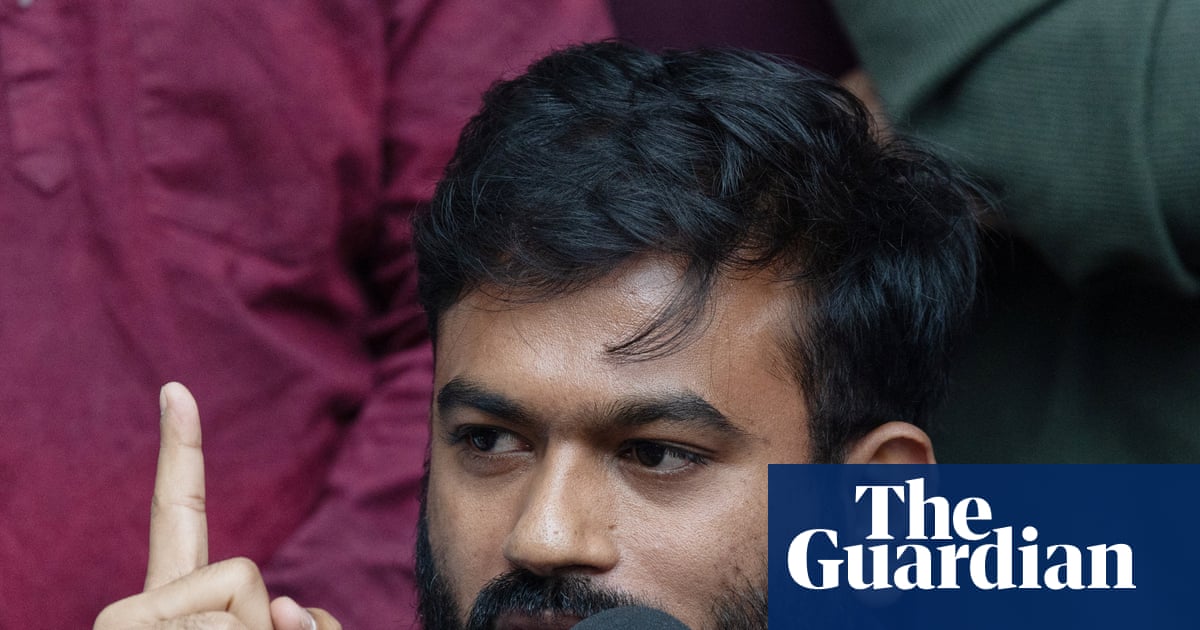
Indian police detained Abhijeet Dipke, a prominent leader of the youth movement for the Cockroach Janta party, on Friday in Delhi. The arrest occurred just as supporters began to assemble for a demonstration he had organized in central Delhi. Authorities moved quickly to prevent the gathering, deploying large numbers of officers and closing the park designated for the protest. Dipke was taken into custody while holding an Indian national flag, questioning his detention despite claiming no laws were broken.
The detention marks an escalation in the government’s response to a wave of anti-government protests that have swept across major Indian cities. The Cockroach Janta party, which began as an online satire movement in May, has evolved into a significant political force challenging Prime Minister Narendra Modi’s administration. Alongside student organizations and opposition parties, its supporters are demanding the resignation of Gyanesh Kumar, the chief election commissioner.
Critics allege that Kumar oversaw a controversial revision of India’s electoral rolls that deleted approximately 130 million names. Protesters argue this change disproportionately benefits the ruling Bharatiya Janata party. Both the Election Commission and the BJP have denied these accusations, maintaining that the process was conducted properly. Despite these denials, the controversy has fueled widespread anger and mobilization among young voters and civil society groups.
Dipke’s arrest followed the jailing of two other CJP leaders, Saurav Das and Ashutosh Ranka, who received five-day sentences for jumping police barricades during a previous demonstration. Dipke had called for Friday’s protest to highlight what he described as repressive tactics aimed at silencing dissent. He urged supporters to demonstrate their fearlessness by displaying the national flag, a symbol that authorities have increasingly targeted in recent weeks.
Despite the detention of key organizers, approximately 2,000 protesters gathered near Connaught Place in Delhi. Participants waved flags and voiced concerns about democratic backsliding. One protester, Sanna, stated that the heavy-handed police response suggested India was moving toward dictatorship. She emphasized that demonstrators were exercising their rights peacefully and would continue until Kumar resigned.
The crackdown extends beyond Delhi. Smaller demonstrations occurred in Mumbai, Bengaluru, and Patna on Friday. In Mumbai, Bollywood actor Imran Khan faced legal action after attending a protest last weekend. Police detained him and issued a notice requiring him to leave the country by the end of the month due to his U.S. passport status. Khan is currently challenging this order in court.
Authorities have implemented strict measures to curb public gatherings, including bans on assemblies and the deployment of tens of thousands of police officers. Thousands of individuals were detained during protests last weekend alone. The government has characterized these demonstrations as attempts to create anarchy and stage a coup. BJP spokesperson Sambit Patra accused opposition groups and protest movements of destabilizing the nation.
The situation remains volatile as tensions between protesters and law enforcement continue to rise. Student leaders like Neha Bora have also been detained, further inflaming public sentiment. The coming days will likely see continued legal battles and potential further arrests as both sides dig in their heels. The outcome of these protests could significantly impact the political landscape ahead of future elections.
Observers note that the use of satire-based movements like the Cockroach Janta party reflects growing disillusionment with traditional political structures. As digital activism translates into street-level mobilization, the government faces unprecedented pressure to address concerns about electoral integrity and civil liberties. The resolution of this crisis will depend on whether dialogue can replace confrontation in the near future.
Sources behind this briefing
Go to the original reporting
- The Guardian US↗India’s Cockroach Janta party leader detained amid crackdown on protests