The short version
- The Cockroach Janata Party claims at least 10,000 members and supporters have been detained nationwide ahead of Saturday's protests.
- Opposition groups argue the massive voter list revisions disproportionately target supporters of rival parties, while the government denies any bias.
- Police have barricaded key areas in New Delhi following allegations of brute force used against opposition leaders attempting to reach protest sites.
Authorities in India have initiated a widespread crackdown on political activists and student groups in the days preceding a major scheduled demonstration in the capital. The Cockroach Janata Party, an organization that originated as a satirical online movement but has evolved into a significant political force among younger voters, reported that thousands of its members have been detained across the country. This surge in arrests comes just before a planned march to Jantar Mantar in New Delhi on Saturday, where tens of thousands are expected to gather to voice their opposition to recent changes in electoral procedures.
Ashutosh Ranka, a spokesperson for the Cockroach Janata Party, stated on social media that at least 10,000 individuals associated with the party, student organizations, and affiliated grassroots groups have been taken into custody. The group highlighted specific incidents, including the detention of students from Pune who were traveling to Delhi for the October 10 protest. Video footage circulating on digital platforms shows activists being loaded into vans and transported to undisclosed locations, raising concerns about the transparency of these detentions.
The core issue driving this unrest is a nationwide review of voter lists, officially termed the special intensive revision. This process has been implemented across most states and federally administered territories in India. According to official data, more than 130 million names have been removed from the rolls so far. To put this figure in perspective, the number of deleted entries exceeds the total populations of nations such as Japan and Mexico. Millions of citizens have filed appeals against these deletions, arguing that their right to vote is being compromised.
Opposition parties contend that the revisions are politically motivated, alleging that the removals disproportionately affect voters who support opposition candidates. They argue that individuals likely to back Prime Minister Narendra Modi’s Bharatiya Janata Party have been preserved or added to the lists in greater numbers. The election commission and government officials firmly reject these accusations, maintaining that the revision process is strictly administrative. They assert that the goal is to eliminate duplicate entries and remove ineligible voters to ensure the integrity of the electoral system.
The protests represent a significant challenge for Prime Minister Modi midway through his third term. This wave of dissent follows similar demonstrations led by the Cockroach Janata Party earlier in the year, which successfully pressured the government into accepting the resignation of the education minister amid controversies over exam paper leaks. The current unrest suggests that the youth-led movement continues to wield considerable influence in holding the administration accountable for perceived democratic backsliding.
Tensions escalated further on Wednesday when opposition leaders attempted to reach the Jantar Mantar protest site in New Delhi. The Congress party accused police of using excessive force to briefly detain prominent figures, including Rahul Gandhi and his sister Priyanka Vadra, along with other lawmakers. Delhi Police dismissed these allegations as attempts to defame the force, while a spokesperson for the ruling BJP described the claims as baseless and lacking any evidence. The incident has heightened fears of a heavy-handed response to the upcoming Saturday demonstrations.
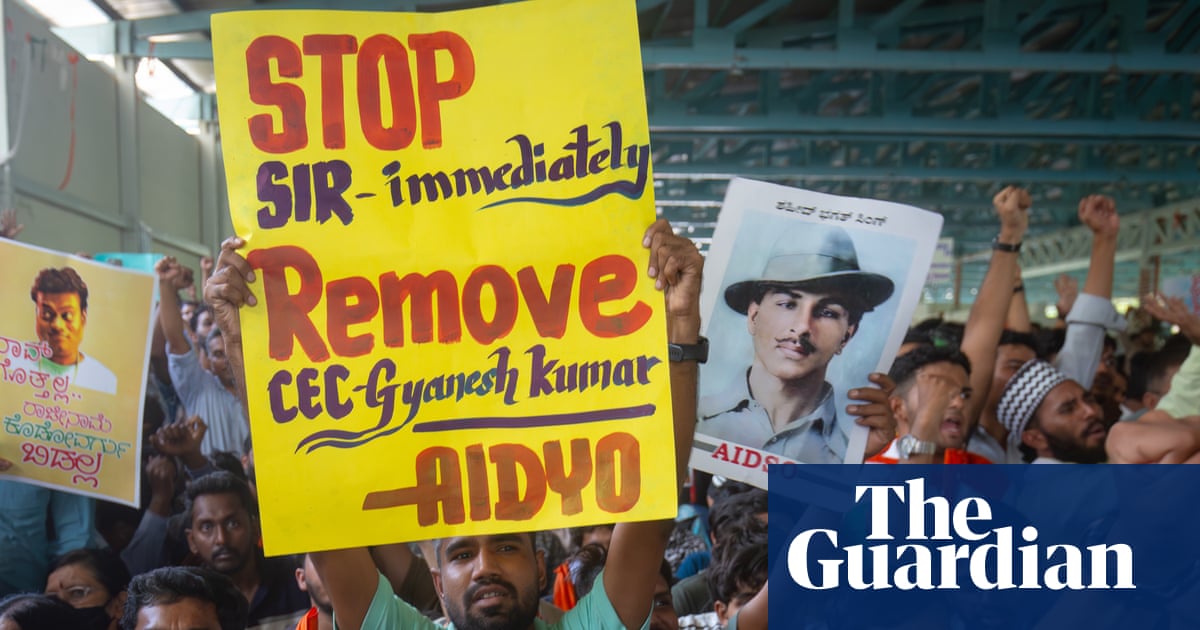
In preparation for the expected turnout, police have erected barricades around key areas in New Delhi. Despite these measures, anger remains palpable across the country. In Bengaluru, hundreds of supporters gathered on Thursday, holding signs that emphasized the importance of every vote and condemning what they view as an attack on democracy. Young protesters, including architecture students, expressed frustration that their fundamental right to participate in the democratic process is being denied through administrative changes.
The situation remains fluid as authorities have not provided immediate comments regarding the scale of the detentions or the specific legal basis for the arrests. The coming days will be critical in determining whether the protests can proceed peacefully or if further clashes between demonstrators and security forces are likely. The outcome of this standoff could have lasting implications for India’s democratic institutions and the relationship between the government and its youngest voters.
Sources behind this briefing
Go to the original reporting
- The Guardian US↗India’s ‘Cockroach’ party accuses government of mass detention of members ahead of weekend protest