The short version
- Jim Acosta and Katie Couric will host an independent election night broadcast from the University of Virginia, marking a departure from their former network roles.
- Piers Morgan’s media company plans a multi-day live stream focused on broad political themes rather than granular race-by-race reporting.
- Traditional networks maintain confidence in their comprehensive coverage capabilities while adapting to an increasingly fragmented digital landscape.
The landscape of American election night coverage is undergoing a significant transformation as the 2026 midterm elections approach. For the first time in over two decades, prominent journalists who previously anchored major television networks are opting out of traditional broadcast roles to launch independent digital streams. This shift represents a growing competition for audience attention between established media institutions and content creators operating on platforms like YouTube and Substack.
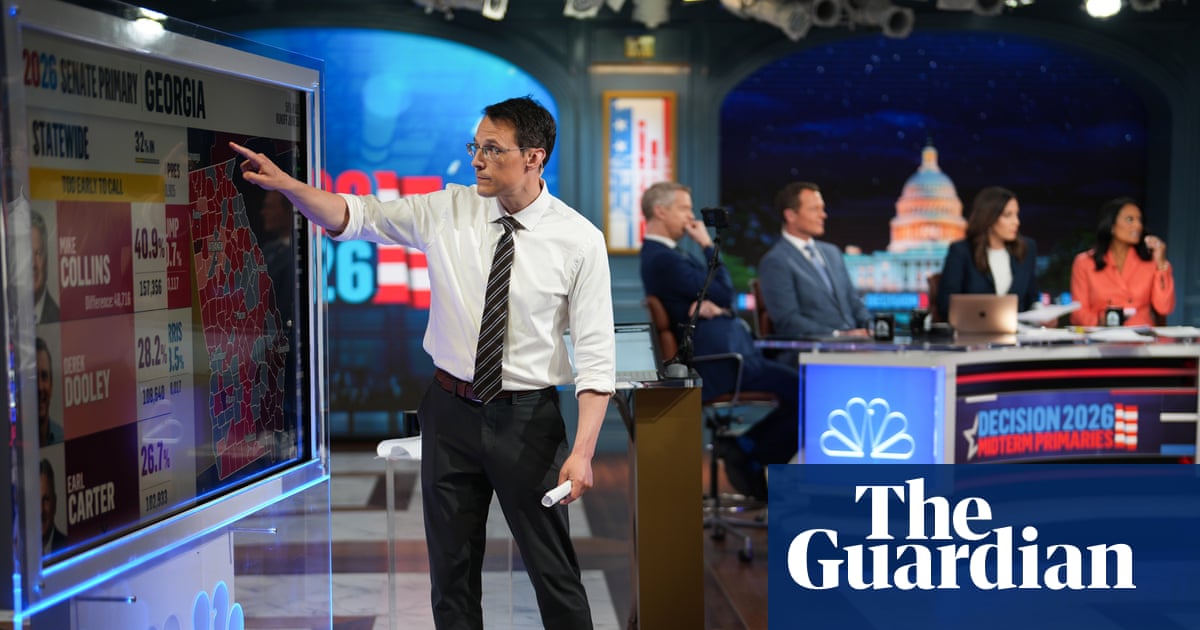
Jim Acosta, a former CNN correspondent with nearly eighteen years at the network, will not be working for a mainstream television outlet on election night. Instead, he is producing his own live broadcast from the University of Virginia’s Center for Politics. The event will feature Katie Couric, a former co-host of NBC’s Today show, and potentially Don Lemon, another CNN alum who has transitioned to new media. Acosta described the format as an attempt to offer fresh perspectives, utilizing interactive data maps similar to those used by NBC News analysts.
Rashida Jones, chief executive of Piers Morgan’s media company Uncensored, characterized this cycle as the “content creator election.” She noted that independent journalists are giving traditional networks significant competition for viewership. Jones previously led MSNBC during the 2024 presidential election and is now expanding Morgan’s company beyond its primary YouTube channel, which boasts approximately 4.5 million subscribers. The plan includes a several-hour live show hosted by Morgan from Washington, D.C., as part of a three-day broadcast stint.
The strategic focus for these independent broadcasts differs markedly from traditional network coverage. Jones indicated that their audience is less interested in detailed breakdowns of individual races, such as specific voting patterns in Michigan counties. Instead, viewers are seeking broader thematic analysis and overall takeaways about the political landscape. The goal is to help audiences understand the big picture implications of the election results by the end of the night.
Scott MacFarlane, a veteran reporter who resigned from CBS News earlier this year to seek greater independence, will co-host a live broadcast for the progressive MeidasTouch network. He emphasized that his show will deliberately avoid the production elements typical of traditional television elections. There will be no teleprompters, scripts, or dramatic theme music. MacFarlane aims for a direct, conversational style that prioritizes original reporting over theatrical presentation.
Despite the rise of independent streams, traditional networks remain confident in their ability to attract large audiences. During the 2024 presidential election, an estimated 42.3 million viewers watched television coverage, though midterm elections typically draw smaller numbers. Hallie Jackson, an NBC News anchor scheduled for nine hours of live coverage, asserted that no other platform matches the depth and breadth of NBC’s reporting. She highlighted the importance of maintaining physical stamina during long broadcasts, noting a regimen of hydration and healthy eating.
ABC News has planned a seven-hour broadcast but remains prepared to extend coverage if critical races for control of the Senate or House remain undecided. Seni Tienabeso, vice-president of ABC News Live, stated that the network treats digital and social media offerings as fully integrated components of their strategy rather than secondary channels. Coverage will be available on ABC News Live, Hulu, and Disney+, ensuring reach across multiple platforms.
The competition between traditional networks and independent creators reflects broader changes in media consumption habits. While some viewers seek the comprehensive resources and established credibility of major news organizations, others are drawn to the perceived authenticity and directness of independent journalists. This fragmentation suggests that election night coverage will be more diverse than in previous cycles, with audiences having numerous options for how they engage with political results.
As election day approaches, the industry is observing how these different formats perform in real time. The success of independent broadcasts may influence future strategies for both traditional networks and content creators. Whether viewers prioritize granular data analysis or broad thematic interpretation remains to be seen, but the presence of multiple high-profile alternatives indicates a permanent shift in the media ecosystem.
The outcome of this coverage experiment could have lasting implications for how political news is delivered. If independent streams capture significant audience share, traditional networks may need to adapt their formats further to retain viewership. Conversely, if audiences continue to rely on established outlets for comprehensive reporting, the current trend may remain a niche phenomenon. The coming days will provide early indicators of where viewer loyalty lies in this evolving landscape.
Sources behind this briefing
Go to the original reporting
- The Guardian US↗‘The content creator election’: digital streamers and TV networks face off for midterms coverage


