The short version
- The independent monitor found that illicit drugs are openly traded inside Villawood, contributing to intimidation and a widespread sense of insecurity among detainees.
- Structural damage from a past fire remains unrepaired, leaving dozens of beds offline and creating hazards such as broken glass and makeshift weapons in common areas.
- Chronic understaffing has led to security lapses, including failed interventions during violent altercations and denied healthcare access for seriously ill individuals.
An independent oversight body has issued a stark warning regarding conditions at the Villawood immigration detention centre in Australia, citing systemic failures that endanger both detainees and staff. The National Preventive Mechanism released its findings following a three-day inspection conducted earlier this year, revealing an environment characterized by open drug dealing, the manufacture of improvised weapons, and significant structural neglect. The report underscores a deepening crisis within the facility, where prolonged detention has coincided with deteriorating safety standards and inadequate care for vulnerable populations, including children.
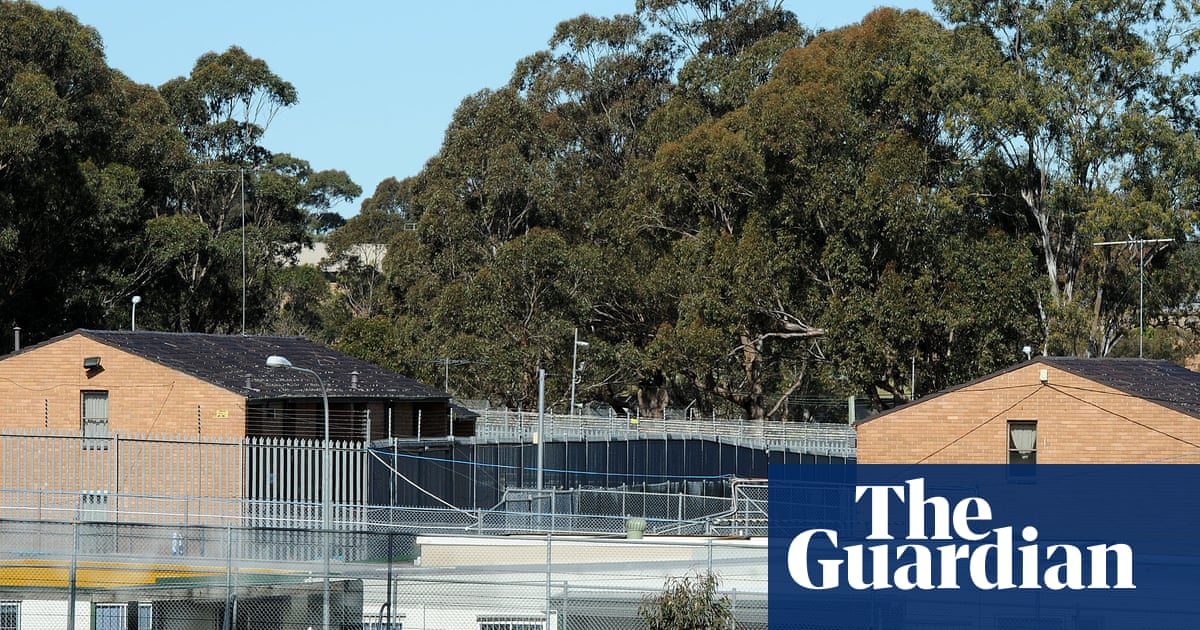
At the time of the visit, 428 individuals were held at Villawood, with detention periods ranging from two days to over eleven years. The monitor identified a pervasive culture of fear driven by the illicit drug market operating within the compound. Detainees reported that substances are traded relatively openly, leading to aggressive behavior and intimidation tactics. This environment has forced some residents to sleep in common areas or outside under surveillance cameras, seeking safety from threats they perceive as greater inside their assigned rooms, which lack CCTV monitoring.
Physical conditions within the centre have also deteriorated significantly. Seventy-eight beds remain out of service due to damage sustained during a fire three years ago, repairs for which have not been completed. The monitor observed large shards of glass in shared spaces and damage to concrete and brickwork that suggests detainees are sharpening metal objects to create weapons. These hazards exist alongside broken air conditioning units, forcing some individuals to sleep outdoors because indoor temperatures become unbearable.
The situation for children detained at Villawood raises particular concern. The report highlights cases where family groups have been isolated for months without access to schooling or peer engagement. While the government asserts that remote education is now available, the monitor warned that continued detention poses a high risk to the mental health and social development of these minors. The absence of meaningful activities and educational opportunities compounds the psychological toll on young detainees who have been held for extended periods.
Staffing levels at Villawood have been consistently identified as insufficient, creating dangerous conditions for everyone in the facility. During the inspection, monitors directly witnessed staff failing to intervene during a serious physical altercation. This understaffing is not an isolated incident but part of a broader pattern that has previously drawn warnings from federal work safety regulators. The minimalist staffing model employed by MTC, the private company contracted to run the centre, has been linked to security breaches, including escapes and injuries to staff members.
The consequences of these operational failures have been severe. In January, a detainee died after an alleged attack by another individual, leading to murder charges. Beyond this tragedy, the facility has experienced consistent acts of violence and self-harm, including numerous suicides. The report notes that seriously ill detainees have at times been denied healthcare access due to staffing shortages, and in one instance, a lack of supervision allowed a detainee to start a fire within a staff compound.
Government officials have expressed frustration with the private operator’s performance. Home Affairs Minister Tony Burke recently summoned the global president of MTC to address these failures just six months after the company began operating under a multi-billion dollar contract. The Commonwealth Ombudsman described the conditions as a failure to meet minimum service standards, highlighting the urgent need for reform. As investigations continue, the focus remains on addressing the immediate safety risks and ensuring that the rights and wellbeing of detainees are protected.
The findings from the National Preventive Mechanism add to growing calls for accountability in Australia’s immigration detention system. With structural repairs still pending and staffing crises unresolved, the path forward requires significant intervention. The report serves as a critical document for policymakers and advocates seeking to improve conditions at Villawood and other detention facilities. As the government responds to these revelations, the emphasis will likely shift toward implementing stricter oversight and ensuring that private contractors adhere to agreed-upon standards of care and security.
Sources behind this briefing
Go to the original reporting
- The Guardian World↗Drug-dealing, makeshift weapons and a ‘culture of fear’ at Villawood detention centre, report warns

