The short version
- Imran Khan was moved from Adiala jail to Shifa International Hospital in Islamabad after a supreme court ruling mandated medical access within 48 hours.
- Lawyers claim the former leader has suffered significant vision loss and other health declines, allegations that government officials have consistently denied.
- Analysts view the transfer as a possible initial step toward reducing friction between Khan’s political party and Pakistan’s powerful military institutions.
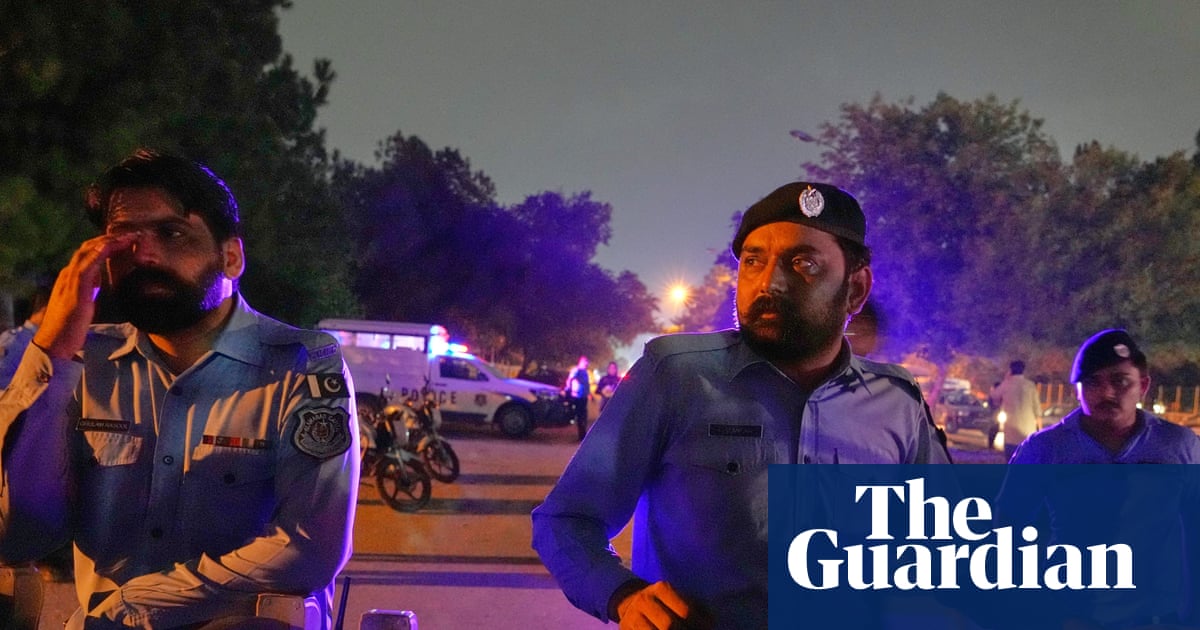
Former Pakistani Prime Minister Imran Khan has been transferred from Adiala jail to Shifa International Hospital in Islamabad, fulfilling a directive issued by the country’s supreme court. The move addresses long-standing demands from his supporters regarding his physical well-being during more than three years of incarceration. Authorities executed the transfer under heavy security measures, ensuring compliance with judicial instructions while maintaining strict control over the former leader’s movement.
The supreme court panel ordered the transfer within 48 hours, emphasizing the state’s constitutional duty to protect the life, health, and dignity of prisoners. Judges specified that Khan must be examined by a medical team that includes his personal physician and an eye specialist. This judicial intervention highlights growing scrutiny over prison conditions for high-profile political detainees in Pakistan.
Khan’s legal representatives argue that his health has significantly deteriorated while in custody. They report that he has lost substantial vision in his right eye, with one attorney stating earlier this year that only 15 percent of sight remained in that eye due to lack of specialist care. These claims suggest a pattern of neglect by prison authorities regarding his medical needs.
Government officials have disputed these allegations, asserting that official medical reports show no condition requiring immediate or specialized treatment. The contradiction between the defense’s assertions and the state’s position underscores the broader dispute over Khan’s treatment behind bars. This disagreement remains unresolved as he undergoes examination at the hospital.
The transfer occurs against a backdrop of intense political friction. Khan was removed from office in 2022 and imprisoned in August 2023 on corruption charges, among others. He maintains that all cases against him are politically motivated tools used by rivals to silence his influence. The government rejects this characterization, insisting the legal proceedings follow standard judicial processes.
Khan faces charges in more than 100 cases, ranging from allegations of leaking state secrets to accusations involving the sale of state gifts. Late last year, he and his wife, Bushra Bibi, received 17-year prison sentences. Despite these convictions and his confinement, Khan retains a substantial base of support across Pakistan, making his status a focal point for national political dynamics.
Observers interpret the hospital transfer as a potential signal that relations between Khan’s party, Pakistan Tehreek-e-Insaf, and the military-backed government may be easing slightly. The military establishment has been at odds with Khan since his ouster, leading to widespread protests by his supporters and subsequent crackdowns by authorities. This move could represent an initial effort to de-escalate tensions.
Both the judiciary and Khan’s political party have issued warnings to supporters against gathering outside the hospital, noting that such actions would violate the court order. The emphasis on preventing public assembly reflects ongoing concerns about stability and security in the capital. As Khan receives medical attention, the situation remains fluid, with no immediate indication of further legal or political developments.
The former cricket captain served as prime minister from 2018 to 2022 before his removal. His imprisonment has triggered significant unrest, with supporters continuing to demand his release despite the government’s firm stance on the legality of his detention. The current medical transfer does not alter the legal charges against him but may influence public perception of his treatment.
What comes next remains uncertain. While the hospital visit addresses immediate health concerns raised by his lawyers, it does not resolve the underlying political conflict. The military establishment and Khan’s party remain entrenched in their opposing positions. Future developments will likely depend on how this medical intervention is perceived by both sides and whether it leads to broader negotiations or continued confrontation.
Sources behind this briefing
Go to the original reporting
- The Guardian US↗Jailed former Pakistani prime minister Imran Khan taken to hospital
- BBC World↗Jailed Pakistan ex-PM Imran Khan taken to hospital for treatment

