The short version
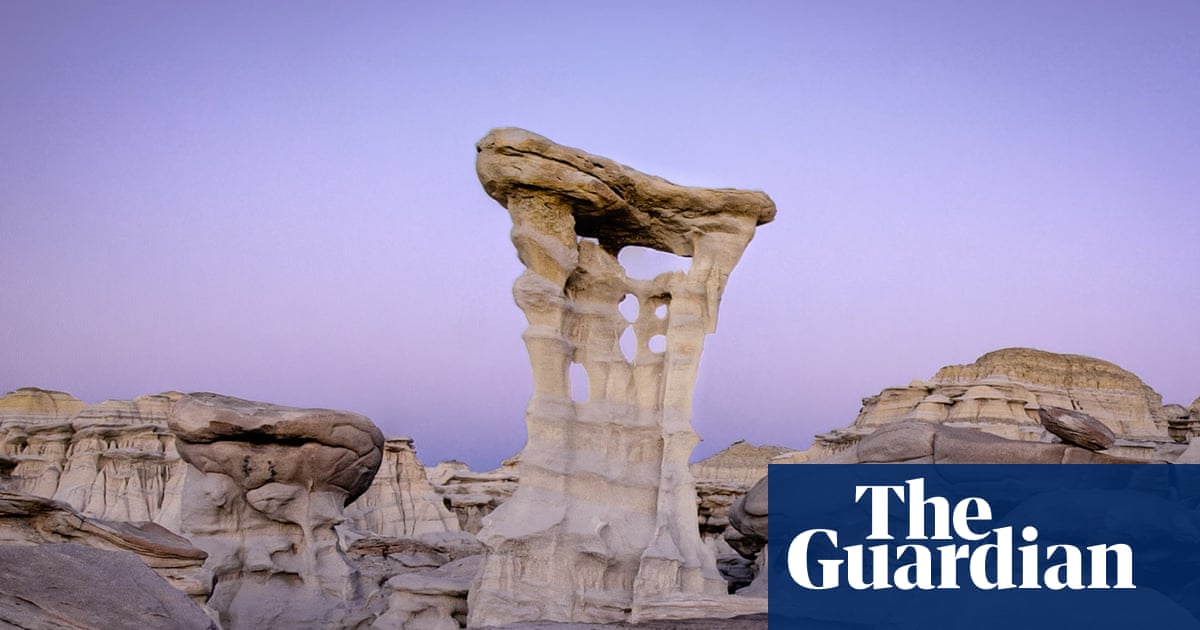
- A famous rock formation known as the Alien Throne in New Mexico has collapsed, likely due to heavy rains associated with a super El Niño pattern.
- Local guides report additional damage to nearby geological features, while officials prepare to investigate the specific causes of the structural failures.
- The incident underscores broader concerns about erosion and preservation of natural landmarks across the Four Corners region during periods of intense precipitation.
A prominent rock formation in north-west New Mexico, widely recognized by visitors as the Alien Throne, has collapsed into fragments following a period of severe weather. The structure, located near the Ah-Shi-Sle-Pah Wilderness and accessible via the Valley of Dreams trail, was discovered broken on October 30 by Kialo Winters, a tour guide with Navajo Tours USA. Winters described the moment of discovery as devastating, noting that the spire had been a central attraction for tourists and photographers alike. The collapse occurred shortly after intense rainfall struck the region, prompting immediate speculation that the extreme weather conditions were responsible for the structural failure.
The timing of the destruction coincides with a broader pattern of flooding across the Four Corners area, which includes parts of Utah, Colorado, Arizona, and New Mexico. In the week preceding the discovery of the broken spire, north-west New Mexico experienced heavy storms that led to evacuations and numerous water rescues. Residents in Farmington, the nearest town to the Valley of Dreams, faced significant disruptions, with some families forced to seek refuge on rooftops as rivers overflowed their banks. These events highlight the immediate human impact of the super El Niño season, which has brought torrential rains to the southwestern United States.
Winters, who has guided visitors through this landscape for thirteen years, emphasized the dual significance of these rock formations. While they are popular destinations for tourism and photography, they also hold deep cultural value for Indigenous residents. He described the spires as traditional waypoints that have guided Navajo people across the land for generations. The loss of such landmarks is therefore not merely an aesthetic or economic concern but a disruption to historical continuity and cultural heritage. Winters noted that the erosion processes that created these formations are the same forces that eventually dismantle them, a perspective shared by local elders.
In addition to the Alien Throne, other geological features in the vicinity have sustained damage. Winters reported that another formation, referred to as the King of Wings, had also been compromised in recent weeks. Online reports from hikers on the AllTrails platform suggested that this second structure may have broken before the most intense rains arrived in early October. This timeline introduces uncertainty regarding whether all damage is directly attributable to the recent super El Niño storms or if some deterioration occurred earlier due to other factors. The extent of damage to other rock spires across the wider Four Corners region remains unclear, as park rangers at several national and state parks have not yet documented similar incidents.
Authorities are expected to conduct investigations to determine the precise cause of the collapse. Both the Navajo Nation and the Bureau of Land Management are anticipated to examine the site to confirm whether natural erosion accelerated by heavy rains was the sole factor or if other elements contributed to the failure. Winters initially assumed natural causes were responsible but acknowledged that official verification is necessary. This process will help clarify the role of climate-related weather patterns in the degradation of geological landmarks, providing data that could inform future preservation efforts and safety assessments for visitors.
The incident has prompted calls for respectful behavior from visitors to the area. Winters urged tourists to allow the site to rest and discouraged climbing on the remaining fragments or removing stones as souvenirs. He emphasized that such actions are illegal and disrespectful to the local community. The destruction of these formations serves as a reminder of the fragility of natural wonders in the face of changing environmental conditions. As communities in the region continue to recover from flooding and infrastructure damage, the loss of iconic landmarks adds another layer of complexity to the aftermath of the storms.
This event is part of a larger trend of geological instability linked to extreme weather. Earlier in October, Hawaii’s Hōlei sea arch collapsed into the Pacific Ocean during the same super El Niño year. These parallel incidents suggest that intense precipitation and storm activity are affecting coastal and inland rock formations across different time zones. While park officials in areas like Chiricahua and Goblin Valley have not reported damage yet, the potential for further discoveries remains high as assessments continue. The situation underscores the need for ongoing monitoring of natural sites vulnerable to erosion and weather-related stress.
Looking ahead, local leaders and guides are focusing on preserving the memory and significance of these formations through alternative means. Winters stated that the legacy of the spires will endure through storytelling, photography, and art installations. This approach reflects a shift from physical preservation to cultural commemoration, acknowledging that while the stone structures may be gone, their importance to Indigenous history and regional identity remains intact. The coming months will likely see continued evaluation of the site’s condition and broader discussions about how to balance public access with conservation in an era of increasing climate volatility.
Sources behind this briefing
Go to the original reporting
- The Guardian World↗Famous New Mexico rock formation destroyed after torrential El Niño rains


