The short version
- New internal directives prohibit ICE officers from engaging in high-speed vehicle pursuits under any circumstances.
- Agents must complete specific training courses to conduct traffic stops, while untrained personnel are restricted to support roles.
- The policy shift follows multiple deadly encounters and conflicting signals between agency leadership and the White House regarding enforcement tactics.
U.S. Immigration and Customs Enforcement has issued new internal guidance that strictly prohibits officers from engaging in high-speed car chases and imposes tighter restrictions on vehicle stops. The directive, signed by Executive Associate Director Marcos D. Charles, aims to reduce the frequency of violent encounters between agents and drivers. Under the updated rules, ICE personnel are no longer authorized to pursue vehicles that fail to pull over during traffic stops. Instead, officers are instructed to record vehicle information for further investigation rather than attempting immediate interception.
The policy changes come in the wake of several deadly incidents involving ICE-initiated stops. Since last year, agents have discharged firearms in more than a dozen encounters where drivers refused to cooperate or attempted to flee. These confrontations have resulted in at least four deaths and numerous injuries. The agency has faced scrutiny over its recruitment practices, with reports indicating that a rapid hiring surge led to some officers being deployed without adequate vetting or training. The new memo seeks to address these safety concerns for both law enforcement personnel and the public.
Specific operational requirements now dictate which agents can participate in traffic stops. Only those who have completed one of five designated agency training courses are permitted to conduct such operations. Officers lacking this specific certification may only serve in a support capacity as passengers and are barred from driving any vehicles involved in the stops. Additionally, all officers present at a vehicle stop must wear and activate body-worn cameras to ensure transparency and accountability during these high-risk interactions.
The guidance also addresses the use of specialized equipment and tactics. While the controversial technique known as pinning, which involves using a vehicle or barrier to trap a car, remains permissible, it is now restricted to officers who have received special training. Similarly, the deployment of spike strips to deflate tires is limited to trained personnel. Vehicles used for traffic stops must be equipped with lights and sirens that clearly identify them as law enforcement units when activated, ensuring public awareness of their presence.
Tensions within the administration regarding these enforcement tactics have been evident. Following fatal shootings in Maine and Texas last July, ICE temporarily paused most vehicle stops. However, President Donald Trump quickly directed the agency to resume operations via social media, characterizing traffic stops as essential crime-fighting tools. This conflict highlights the difficulty of balancing safety protocols with political pressure to increase deportation numbers. Arrests by the agency have reached record levels amid intense demands from the White House.
ICE leadership has attempted to downplay the significance of the new memo, describing it as a routine update to replace prior directives issued in recent years. A statement from the agency emphasized that vehicle stops and arrests of individuals without legal status would continue. The guidance is framed as an effort to improve safety standards rather than a reduction in enforcement activity. Officials maintain that these reminders are part of standard operational adjustments for law enforcement officers.
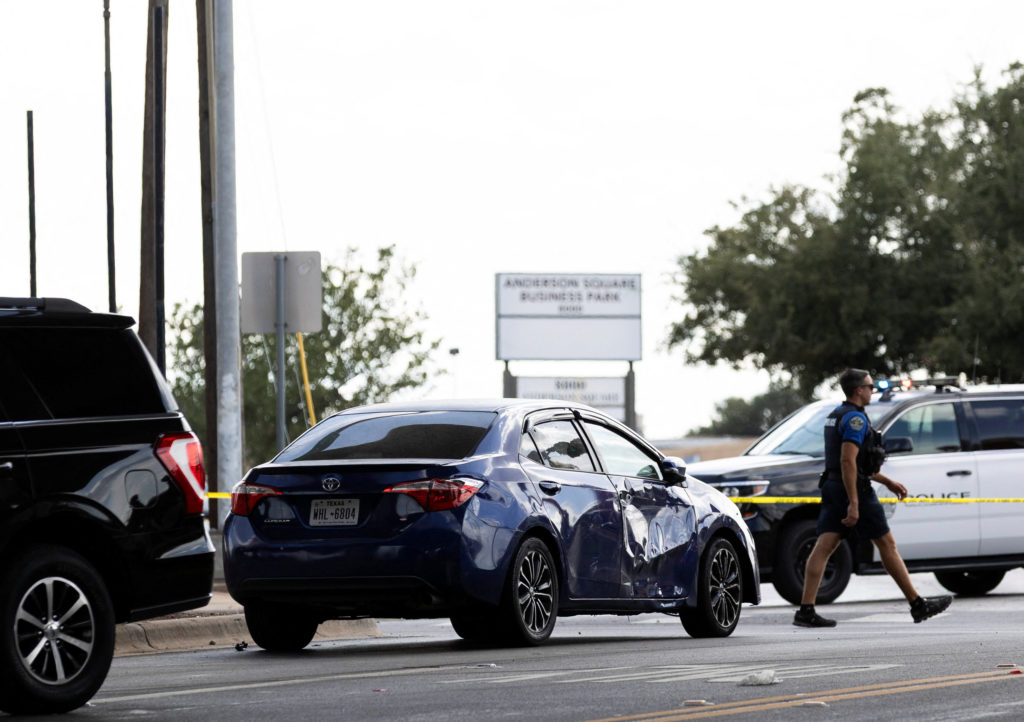
The timing of the memo coincides with ongoing legal proceedings related to recent incidents. Courtroom testimony revealed details of a shooting in Austin where a delivery driver was wounded after fleeing an initial stop. Evidence presented showed that the officer who fired the weapon was not wearing a body camera, while another agent turned off his device during the pursuit. These actions would have violated the new guidelines regarding camera usage and pursuit protocols.
Legal challenges continue to mount against the agency’s practices. The family of Renee Good, who was killed in an ICE encounter, has filed a lawsuit against the U.S. government and immigration officials. Meanwhile, attorneys for Wilber Rafael Garces Perez, who faces federal assault charges after being shot in Austin, argue that the evidence is inconclusive. They contend that the surveillance footage did not fully capture the moment of the alleged flight, casting doubt on the justification for the use of force.
As the new guidance takes effect, it remains to be seen how effectively these measures will reduce violence during immigration enforcement operations. The combination of stricter training requirements, banned pursuits, and mandatory camera usage represents a significant shift in tactical approach. However, the ongoing pressure to maintain high arrest numbers may create friction between field officers and administrative directives. Future incidents will likely test the implementation and adherence to these updated safety protocols.
Sources behind this briefing
Go to the original reporting
- PBS NewsHour↗New ICE guidance bans high-speed car chases and sets tighter rules for traffic stops, memo shows