The short version
- Erik Zepeda, a US citizen with disabilities, suffered a broken wrist after being tackled by ICE agents in Santa Maria.
- Federal officials claim the use of force was justified due to resistance, while local leaders condemn the incident as racial profiling.
- The event occurs during a broader increase in aggressive immigration operations in California that have resulted in multiple hospitalizations.
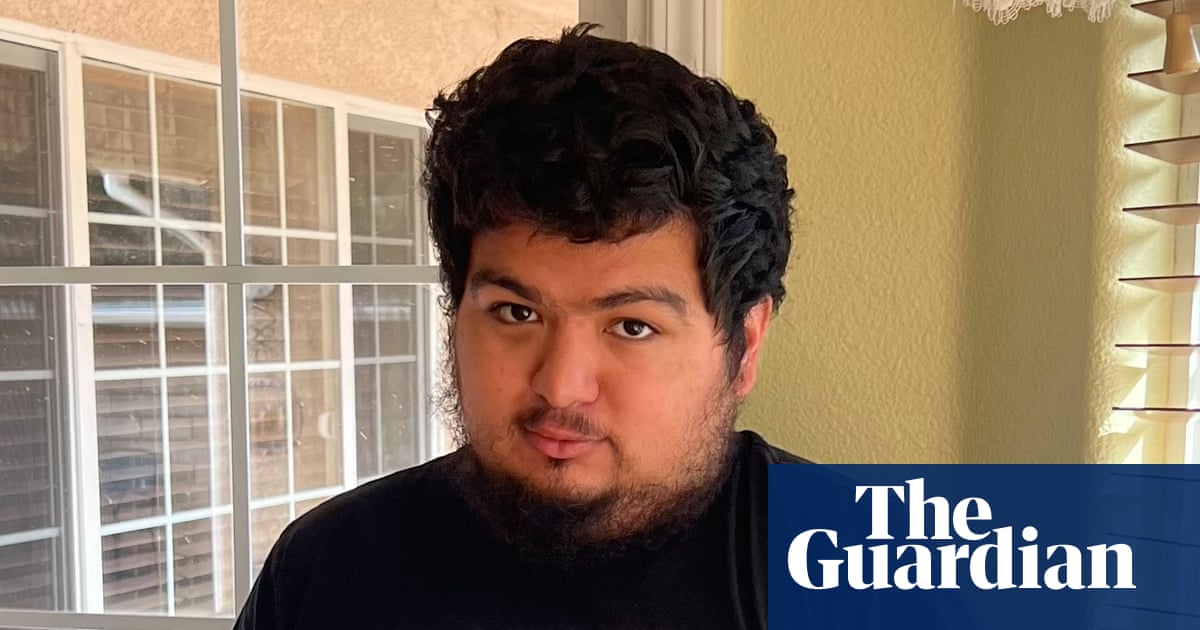
A violent confrontation between Immigration and Customs Enforcement agents and a twenty-year-old US citizen has ignited widespread condemnation across California, highlighting growing tensions over federal enforcement tactics. Erik Zepeda, a high school student with physical and communication disabilities, was detained in Santa Maria last month while walking to class. The incident resulted in a broken wrist that required surgical intervention and has prompted calls for accountability from local activists and elected officials.
According to witness accounts and video evidence reviewed by reporters, masked agents approached Zepeda from behind on October 21. They pinned him face-down on the pavement and handcuffed him before placing him in a vehicle. An observer affiliated with a local rapid response network documented the event, noting that agents drove the student around for an unspecified period before releasing him. Zepeda subsequently walked the remaining distance to his school, where staff noticed his injuries and called emergency medical services.
Zepeda described the encounter as terrifying, stating he feared for his life during the detention. He emphasized that he was following his daily routine when agents intervened without provocation. His mentor, a retired special education teacher, noted that Zepeda had recently gained independence by walking to school alone, a milestone that has now been disrupted by the trauma of the event. The student remains shaken and does not plan to return to classes for several weeks.
Federal authorities have defended their actions, asserting that officers were conducting a targeted operation against a suspected criminal illegal alien. An ICE spokesperson claimed that Zepeda matched the description of their target and resisted lawful commands by assuming a fighting stance with clenched fists. The agency stated that force was used to safely control the situation until his identity could be verified, after which he was released.
Local political leaders have sharply criticized the federal response. Democratic Representative Salud Carbajal, whose district includes Santa Maria, labeled the agents' conduct as thuggish and indicative of rampant racial profiling. He has formally requested a transparent investigation from the Department of Homeland Security. Senator Adam Schiff also condemned the detention as grotesque, urging accountability for the harm inflicted on Zepeda.
Law enforcement officials in Santa Barbara County have initiated their own review of the incident. Police Chief Christopher Williams confirmed that the matter has been reported to the county district attorney, the California Department of Justice, and federal authorities. District Attorney John Savrnoch described the event as deeply troubling and indicated his office is coordinating with relevant agencies to determine appropriate next steps.
The detention of Zepeda is part of a broader pattern of aggressive immigration enforcement in California that began in early October. This surge has led to multiple hospitalizations among individuals detained by federal agents. In Long Beach, another US citizen, Ricardo Gonzalez, suffered a broken arm during an arrest that was captured on video showing officers kneeling on his back. Similar incidents in the Bay Area have also resulted in injuries and sparked protests outside medical facilities.
Legal representatives for Zepeda, including former federal prosecutors from Democracy Forward, have announced their intent to pursue legal action to vindicate his rights. The case underscores the difficulties faced by individuals with disabilities during high-stress encounters with law enforcement. As investigations proceed, the incident remains a focal point for debates regarding the use of force and the identification protocols employed by federal immigration agents.
Community members in Santa Maria, an agricultural city with a predominantly Latino population, have expressed deep concern over the escalation of federal activity in their region. The combination of physical injury, psychological trauma, and the disruption of educational routines has galvanized local support for Zepeda. The outcome of the ongoing investigations may set important precedents for how such encounters are handled in the future.
As the legal and political ramifications unfold, the incident serves as a stark example of the human cost associated with current immigration enforcement strategies. The disparity between the federal government's justification of tactical necessity and the community's perception of brutality highlights a significant divide. Stakeholders await further developments from both law enforcement agencies and judicial proceedings to determine whether misconduct occurred.
Sources behind this briefing
Go to the original reporting
- The Guardian US Politics↗Outcry after ICE violently detains US citizen walking to high school: ‘I thought they were going to kill me’