The short version
- U.S. sanctions on the International Criminal Court have triggered early banking difficulties for staff, though officials insist investigative work remains unaffected.
- The court is transitioning to European software and negotiating new service contracts to insulate itself from Washington’s financial pressure ahead of the official six-month deadline.
- Prosecutors maintain that significant progress continues in Gaza and Afghanistan cases, despite public silence mandated by judicial secrecy orders regarding pending warrants.
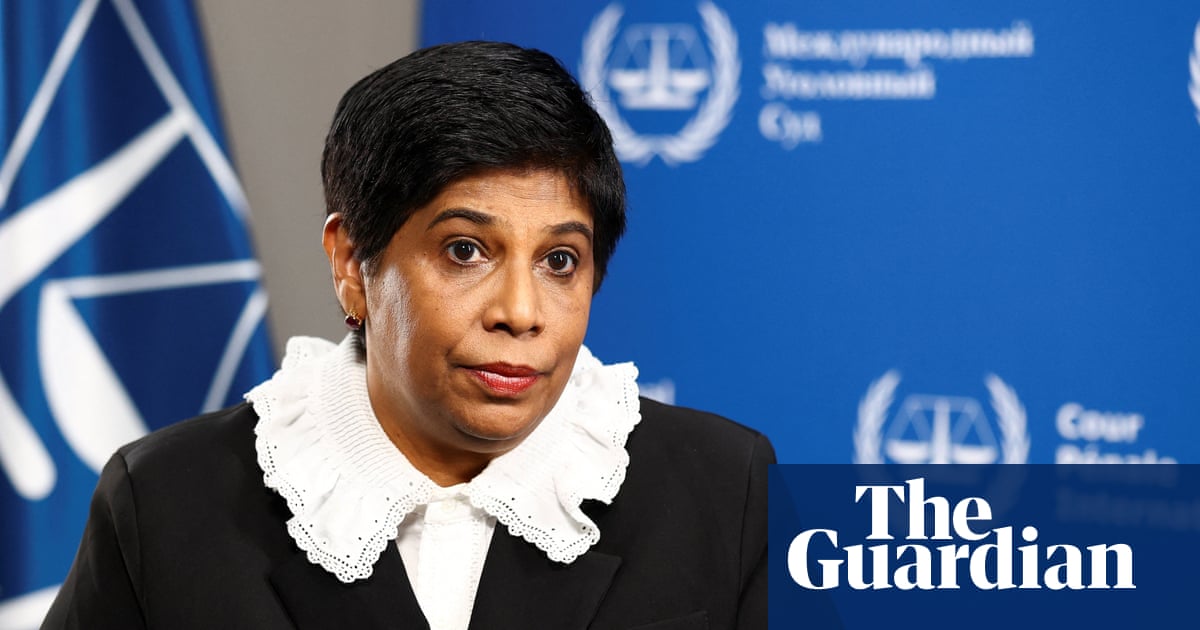
The International Criminal Court is navigating a period of heightened financial friction following new sanctions imposed by the United States, yet its leadership maintains that core investigative operations remain intact. Nazhat Shameem Khan, the deputy prosecutor who is co-leading the office pending the appointment of a permanent chief, stated that while some employees are encountering banking obstacles, these issues have not hindered the court’s ability to pursue justice. The sanctions, announced by U.S. Secretary of State Marco Rubio earlier this month, target the institution broadly and carry a six-month grace period before they officially take effect in April 2027.
Despite the delayed enforcement date, Khan noted that banks are already reacting to the political climate by restricting services for ICC personnel. She described this phenomenon as 'over-compliance,' where financial institutions minimize risk by limiting access even though the sanctions technically apply to the institution rather than individual staff members. This has resulted in practical difficulties for employees who rely on credit cards for travel and daily transactions, a personal inconvenience Khan acknowledged but contextualized against the gravity of the court’s mission.
To mitigate long-term vulnerabilities, the court is actively restructuring its operational infrastructure. Officials have moved away from Microsoft software in favor of European alternatives to reduce dependence on U.S.-based technology providers. Additionally, the registrar is engaged in negotiations with service providers regarding banking and health insurance arrangements. These measures aim to insulate the organization from what Khan characterized as a hostile administration in Washington, ensuring that the court can continue its work regardless of external political pressure.
The diplomatic tension stems from longstanding friction between the Trump administration and the ICC, which Rubio has labeled a 'rogue court.' The U.S. government has accused the tribunal of threatening American interests, with Rubio claiming without evidence that globalist experts seek to prosecute U.S. citizens. Khan disputed this narrative, noting that no Americans have been brought before the court. She clarified that if the concern relates to the Afghanistan investigation, the focus remains on offenses committed by the Taliban and Islamic State Khorasan against women, girls, and other vulnerable groups, rather than on American personnel.
Recent developments in the Afghanistan case include the unsealing of four arrest warrants against Taliban members for gender persecution. This action underscores the court’s continued engagement with cases involving non-state actors and international terrorism. Khan emphasized that the priority in this file is addressing specific crimes against vulnerable populations, countering the U.S. assertion that the court is targeting American interests. The lack of charges against U.S. citizens remains a central point of contention in the diplomatic dispute.
In the Israel-Palestine situation, public visibility has decreased since November 2024, when arrest warrants were issued for Benjamin Netanyahu and former Defense Minister Yoav Galant. Khan explained that this silence is not due to a lack of progress but rather a judicial order requiring secrecy around pending applications and charges. The court’s pretrial chamber has mandated that all new warrant requests remain confidential until judges determine they can be made public. Consequently, while there may be an appearance of stagnation, Khan assured that significant investigative work continues behind the scenes.
The internal landscape of the prosecutor’s office has also been marked by turmoil. Formal investigations into allegations of sexual harassment against former chief prosecutor Karim Khan began in late 2024. Khan, who is unrelated to the deputy prosecutor, denied the charges but was removed from his position in July following a vote by member states. This leadership change has necessitated a transitional period during which Shameem Khan and her colleagues have had to manage both external political pressures and internal restructuring.
Looking ahead, the uncertainty surrounding the full impact of U.S. sanctions remains high. While the court has taken steps to protect its operations, it is difficult to predict how financial restrictions will evolve once they officially take effect. Rubio’s announcement included a call for the ICC to negotiate a solution addressing U.S. concerns, but it remains unclear what specific actions would satisfy the administration. The court continues to operate under the assumption that its mandate to investigate war crimes and atrocities supersedes political objections, even as it adapts to a more constrained financial environment.
The broader implications of this standoff highlight the challenges facing international judicial bodies in an era of increasing geopolitical fragmentation. As the ICC seeks to balance independence with operational viability, the response from European partners and other member states will be critical. Negotiations with the EU regarding blocking statutes or other protective measures are underway, reflecting a collective effort to shield international justice mechanisms from unilateral punitive actions. The coming months will test the resilience of the court’s infrastructure and its commitment to pursuing accountability despite external hostility.
Sources behind this briefing
Go to the original reporting
- The Guardian US Politics↗ICC prosecutor says court making ‘significant progress’ despite US sanctions