The short version
- Hungary has ordered ten Russian diplomats to leave the country, signaling a decisive shift away from the pro-Moscow policies of the previous administration.
- Russian officials have condemned the move as unfriendly and promised a harsh response, raising concerns about potential reciprocal expulsions that could close Hungary's embassy in Moscow.
- Amid these diplomatic tensions, Romania issued an air alert after a drone entered its airspace from Moldova, highlighting ongoing security vulnerabilities in the region.
A significant diplomatic rupture has occurred between Hungary and Russia following Budapest’s decision to expel ten Russian diplomats. The Hungarian Foreign Ministry announced that the individuals were ordered to leave the country for engaging in activities deemed unacceptable by the current government. This action represents a stark departure from the foreign policy orientation maintained by Hungary under former Prime Minister Viktor Orbán, who had cultivated close ties with Moscow and frequently blocked European Union sanctions against Russia.
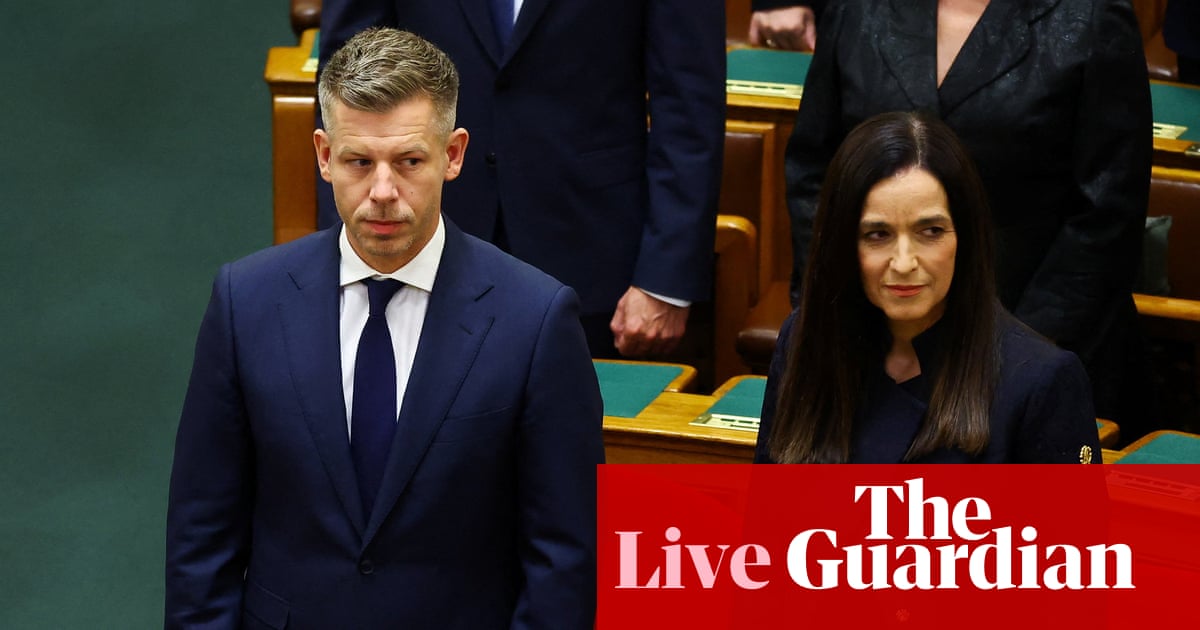
The shift in Hungarian policy coincides with the election victory of Péter Magyar and his Tisza party in April. Since taking office, Magyar has advocated for a pragmatic approach to international relations while explicitly distancing himself from the previous administration’s alignment with the Kremlin. In recent months, the new government has issued statements characterizing Russia’s military actions in Ukraine as a threat not only to global order but also to the security of Hungary and its ethnic minority communities living in the Transcarpathia region of Ukraine.
Foreign Minister Anita Orbán stated that the expulsion decision was necessary to protect national sovereignty and security. She emphasized on social media that this measure does not constitute a complete break in diplomatic relations with Russia. However, the tone from Moscow has been sharply critical. A spokeswoman for the Russian Foreign Ministry described the move as an escalation driven by a Russophobic lobby and promised a response that would be both harsh and painful.
Evgeny Stanislavov, the Russian ambassador to Budapest, expressed bitterness over the decision. He argued that Hungary’s previous promises of pragmatic cooperation were worthless and labeled the expulsion as an unprecedented and ungrounded step. The ambassador insisted on the need for dialogue based on mutual respect, a stance that contrasts with the Hungarian government’s assertion that the diplomats’ activities violated international norms and local laws.
The timing of the expulsions follows increased scrutiny of Russian intelligence operations within Hungary. Before the April elections, investigative reports suggested that a significant portion of the Russian embassy staff in Budapest had links to Russian intelligence agencies. Former counter-intelligence chief András Telkes noted that while such activities had been investigated previously, the Fidesz government had prevented any concrete action. The new administration appears willing to act on these concerns, marking a clear break from past restraint.
Analysts warn that Moscow’s response could have significant practical implications for bilateral relations. If Russia were to expel ten Hungarian diplomats in retaliation, it would likely force the closure of Hungary’s embassy in Moscow due to insufficient staffing levels. Such a development would severely limit diplomatic channels between the two nations at a time when regional stability remains fragile. The potential for tit-for-tat measures underscores the high stakes involved in this diplomatic confrontation.
Compounding the tension in Eastern Europe, Romania issued an air alert to residents in its eastern counties after a drone was detected entering its airspace from Moldova. Romanian authorities scrambled two F-18 fighter jets to intercept the unidentified aircraft, which was believed to have originated from Ukraine. The incident led to a brief suspension of flights at Iași International Airport, highlighting the persistent security challenges facing nations bordering the conflict zone.
The convergence of diplomatic expulsions and airspace violations illustrates the broader instability affecting Eastern Europe. As Hungary recalibrates its foreign policy away from Moscow, it faces immediate retaliation threats and long-term strategic uncertainties. Meanwhile, neighboring countries continue to grapple with the spillover effects of the war in Ukraine, including drone incursions and heightened military readiness. The coming weeks will likely reveal whether these tensions de-escalate or deepen into a broader diplomatic crisis.
Observers note that Hungary’s pivot reflects a wider realignment within the European Union as member states reassess their relationships with Russia. While some nations have maintained cautious engagement, others are adopting firmer stances against Moscow’s actions. The expulsion of diplomats in Budapest serves as a test case for how effectively new governments can enforce policy changes without triggering disproportionate retaliation. The outcome will influence diplomatic strategies across the continent.
In the immediate term, both sides are likely to engage in rhetorical posturing while assessing the practical consequences of their actions. Hungary has signaled its intent to maintain open lines of communication despite the expulsions, whereas Russia has vowed to defend its interests vigorously. The situation remains fluid, with potential for further developments depending on Moscow’s specific response and the broader geopolitical context surrounding the ongoing war in Ukraine.
Sources behind this briefing
Go to the original reporting
- The Guardian World↗Russia says it will give a ‘harsh and painful’ response after Hungary expels 10 diplomats - Europe live
- BBC World↗Hungary expels 10 Russian diplomats as relations worsen