The short version
- Houthi rebels have taken control of the strategic port of Mocha and other key locations in Yemen's Taiz province, signaling a major shift in the ongoing civil war.
- The offensive coincides with increased Saudi airstrikes and rising global oil prices, reflecting broader tensions between Iran-backed forces and Western-aligned regional powers.
- Analysts warn that hostilities are unlikely to subside soon, as both sides escalate military pressure to force political concessions regarding Iranian sanctions and regional influence.
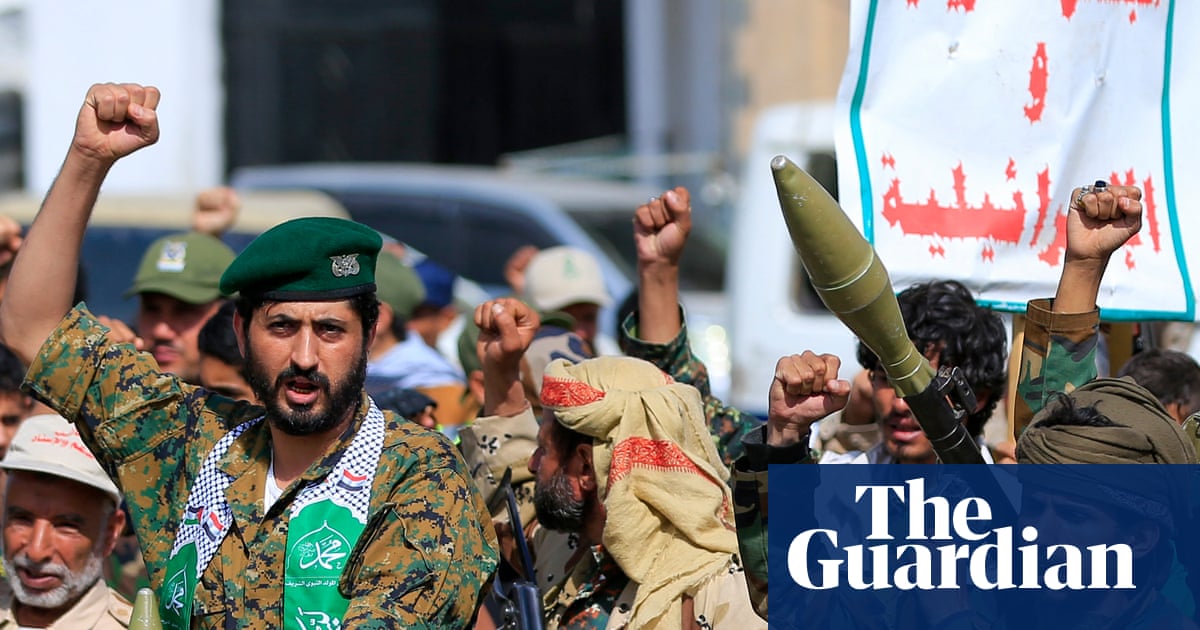
Houthi rebels in Yemen have claimed control of the port of Mocha, a strategic location on the Red Sea coast, marking the most intense wave of fighting between the insurgents and the Saudi-backed government since the United Nations-sponsored ceasefire in April 2022. This development represents a significant escalation in the long-running conflict, with observers noting that the rebels are making a concerted effort to secure dominance over the entire Red Sea coastline. The seizure of Mocha, along with the inland city of Hays and the Khalid ibn al-Walid military base, suggests a coordinated push to expand territorial holdings beyond their traditional strongholds.
The strategic implications of these gains are substantial for regional security dynamics. Control of the Red Sea coast would bring Iran and its allied proxies closer to dominating two critical maritime chokepoints: the Bab al-Mandeb strait at the southern end of the Red Sea and the Strait of Hormuz in the Persian Gulf. Such a scenario would pose a severe challenge to Saudi Arabia and the United States, potentially disrupting western shipping lanes and altering the balance of power in the Arabian Peninsula. Analysts describe this move as an attempt by the Houthis to open a second front in the broader conflict between Iran and the US, complementing existing tensions around Hormuz.
Military assessments indicate that the situation is deteriorating rapidly. The Royal United Services Institute, a defense thinktank based in London, has characterized the environment in Yemen as spiraling out of control. The UN-recognized Yemeni government appears to be opening new fronts against the Houthis, hoping to apply sufficient pressure to break rebel momentum. However, the effectiveness of this strategy remains uncertain given the entrenched nature of the conflict and the resilience of Houthi forces. The fighting has spread across multiple provinces, including Ad Dali, al-Bayda, Marib, Shabwah, al-Jawf, Hodeidah, and Taiz, creating a complex battlefield with numerous active zones.
Casualty figures from the recent escalation are stark. Conflict data monitor Acled estimated 276 fatalities during a five-day period in early September alone. The violence has continued unabated, with Houthi-linked estimates suggesting that rebel forces have gained control of more than 2,320 square miles of land. Maj Gen Tareq Saleh, commander of the Yemeni government forces, acknowledged the severity of the situation by admitting to a strategic retreat south of Mocha. He stated that his troops had paid a heavy price in martyrs and wounded while confronting what he described as an Iran-planned and supported attack.
Saudi Arabia has responded to the Houthi advances with significant air power. The kingdom launched approximately 40 airstrikes on Houthi targets, leveraging its air superiority to strike rebel positions. Despite these efforts, government sources have acknowledged that the Houthis continue to make ground gains along the coast and have conducted missile strikes on strategic Red Sea islands, including Zuqar and Hanish. There are questions about whether Saudi Arabia will invoke the Mecca defense agreement, which includes Pakistan and Turkey as co-signatories. However, experts believe this pact is designed for defensive purposes and is unlikely to apply to offensive military activities within Yemen.
The political landscape in southern Yemen has also shifted, affecting the dynamics of the conflict. The United Arab Emirates, once a major supporter of separatist forces in the region, withdrew its financial and military backing at the start of the year. Consequently, southern forces have refused to engage in combat outside their own territory, leaving the UN-recognized government with limited options for integrated military action. Political divisions within the Yemeni government further complicate efforts to mount a unified response, potentially giving the Houthis an advantage as they exploit these internal fractures.
Economic repercussions are already evident in global markets. The escalation of violence has contributed to a rise in oil prices, which have climbed above $100 per barrel after trading closer to $80 for several weeks. This volatility reflects investor concerns about potential disruptions to energy supplies and shipping routes. The Houthis appear to be using their military gains as leverage to pressure Saudi Arabia and the US into negotiating a deal that would lift the blockade on Iranian oil tankers in the Gulf. President Donald Trump has acknowledged that he does not expect the conflict with Iran to conclude before the US midterm elections in November.
Looking ahead, experts predict that hostilities will remain high. Sherwan Hindreen Ali, a Yemen analyst for Acled, noted that both sides are escalating their actions with the goal of inflicting enough damage to force a compromise. He emphasized that military capabilities on both sides are more balanced now compared to the period immediately preceding the 2022 ceasefire, when the Houthis held a distinct advantage. Fighting is expected to remain focused on the Red Sea coast fronts in Hodeidah and Taiz, where both parties have a vested interest in claiming full territorial control to deny the other side effective command of the Bab al-Mandeb strait.
The initial phase of the renewed conflict saw the Houthis facing setbacks in some areas as battles on multiple fronts overstretched their resources. However, the recent capture of Mocha and other key positions suggests a reversal of this trend. The rebels are likely hoping that sustained pressure will erode the resolve of their opponents and lead to favorable political outcomes. As the situation continues to evolve, the international community remains watchful for any further developments that could impact regional stability and global trade routes.
In summary, the seizure of Mocha marks a critical juncture in the Yemeni conflict, with significant implications for regional security and global economics. The interplay between military maneuvers, political divisions, and external pressures creates a volatile environment where de-escalation seems unlikely in the near term. Stakeholders must navigate this complex landscape carefully to mitigate risks and explore pathways toward sustainable peace.
Sources behind this briefing
Go to the original reporting
- The Guardian US↗Houthis seize key Yemeni port of Mocha in drive to take control of Red Sea coast

