The short version
- Iran-backed Houthi forces launched coordinated drone and missile strikes against four Saudi cities, targeting key oil infrastructure and an airbase.
- Saudi Arabia announced it would take necessary measures to defend its sovereignty after more than seventy people were injured in the overnight attacks.
- The escalation coincides with resumed hostilities between the United States and Iran, driving global crude prices higher and threatening energy supply stability.
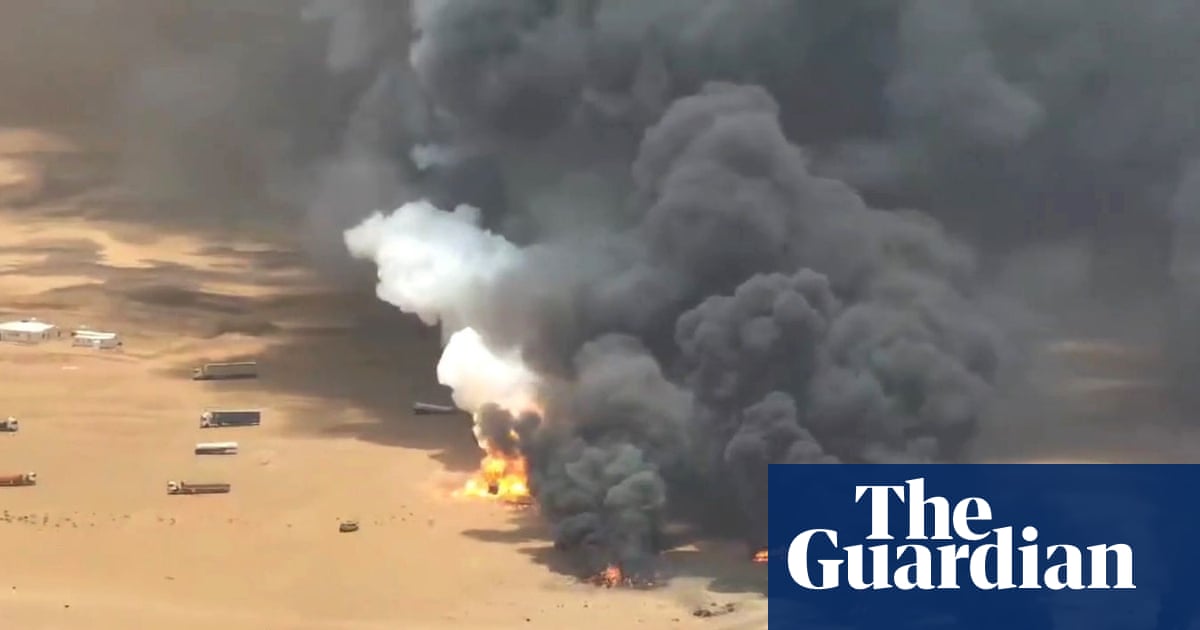
A significant expansion of conflict in the Middle East occurred on Tuesday following overnight strikes by Yemen’s Houthi movement against multiple targets in Saudi Arabia. The attacks, which involved dozens of drones and missiles, struck four cities including Khamis Mushait, Abha, Najran, and Jizan. These locations were chosen for their strategic value, with specific focus on facilities belonging to Saudi Arabia’s state oil company and a major airbase in the south.
The intensity of the assault resulted in substantial damage and human cost. Saudi authorities reported that more than seventy people were wounded in the strikes, including women and children. This casualty count suggests these are among the most severe attacks on Saudi territory since hostilities between the United States, Israel, and Iran intensified earlier this year. The Houthis claimed responsibility for the broad operation, stating they aimed to strike deep into Saudi territory.
Riyadh has responded with firm rhetoric, vowing to retaliate against what it describes as violations of its sovereignty. A statement from the Saudi foreign ministry demanded an immediate halt to Houthi strikes on both Saudi land and oil tankers navigating the Red Sea. Maj Gen Turki al-Malki, a spokesperson for the Saudi-led coalition in Yemen, emphasized that pro-government forces would take all necessary operational measures to deter the militia with utmost resolve.
The timing of these attacks marks a sharp departure from the relative calm observed throughout August. The Houthis, who control most of Yemen’s populated areas including the capital, have long been engaged in a conflict with Saudi-led forces. However, the current escalation appears linked to the broader regional war involving Iran. Houthi spokesperson Yahya Saree accused Riyadh of escalating tensions through air strikes on Yemen and promised further responses.
Global markets reacted swiftly to the news, with Brent crude prices rising more than two percent to surpass ninety-nine dollars per barrel. This surge reflects growing anxiety over potential disruptions to Middle East energy supplies. The attacks on southwestern Saudi Arabia threaten to compound existing supply chain issues caused by blockades in the Strait of Hormuz and Red Sea shipping lanes.
The broader geopolitical context remains volatile. After a period of de-escalation, Iran and the United States have resumed exchanges of fire. Washington has been attempting to increase oil flow to world markets by guiding ships through the Strait of Hormuz while simultaneously cutting off Iranian exports via a blockade just beyond it. Tehran has announced new measures to seal off the strait, including a proposed maritime exclusion zone extending from the US blockade perimeter into the Gulf.
Recent military exchanges have included Washington firing at Iranian tankers in retaliation for attacks on US warships. Iran claims to have used new, more capable ballistic missiles against American vessels. Mohsen Rezaei, secretary of Iran’s Supreme National Security Council, stated that economic warfare would be met with a maritime exclusion zone and that the operational posture toward US forces has been fundamentally recalibrated.
Experts warn that these developments create a difficult strategic dilemma for Saudi leadership. Andreas Krieg, a Gulf expert at King’s College London, noted that restraint now carries the risk of allowing the Houthis to dictate the spiral of escalation. After years of attempting to withdraw from the Yemen conflict, Saudi Arabia faces pressure to respond decisively without further entangling itself in a widening regional war.
The breakdown of previous ceasefires and the threat to shipping at the mouth of the Red Sea underscore the fragility of current diplomatic efforts. As both sides prepare for potential retaliation, the risk of broader conflict involving multiple regional actors continues to grow. The situation remains fluid, with no clear indication of how far either side is willing to push its military capabilities in response to these latest provocations.
Observers are closely monitoring the Strait of Hormuz and Red Sea for further disruptions. The combination of Houthi aggression, US-Iran tensions, and Saudi retaliation threats creates a complex web of security challenges. Global energy markets will likely remain volatile until a clearer picture emerges regarding the extent of damage to oil facilities and the likelihood of sustained military operations in the region.
Sources behind this briefing
Go to the original reporting
- The Guardian World↗Houthis strike Saudi Arabian cities in significant expansion of Middle East war

