The short version
- Houthi rebels launched a significant missile strike on King Khalid International Airport in Riyadh, killing at least thirteen people and injuring hundreds.
- The attack represents a sharp escalation in regional hostilities, breaking long-standing expectations of sanctuary for Gulf states during wider conflicts involving Iran.
- Analysts suggest this event signals a permanent shift toward instability, disrupting economic integration efforts and challenging the reliability of existing security alliances.
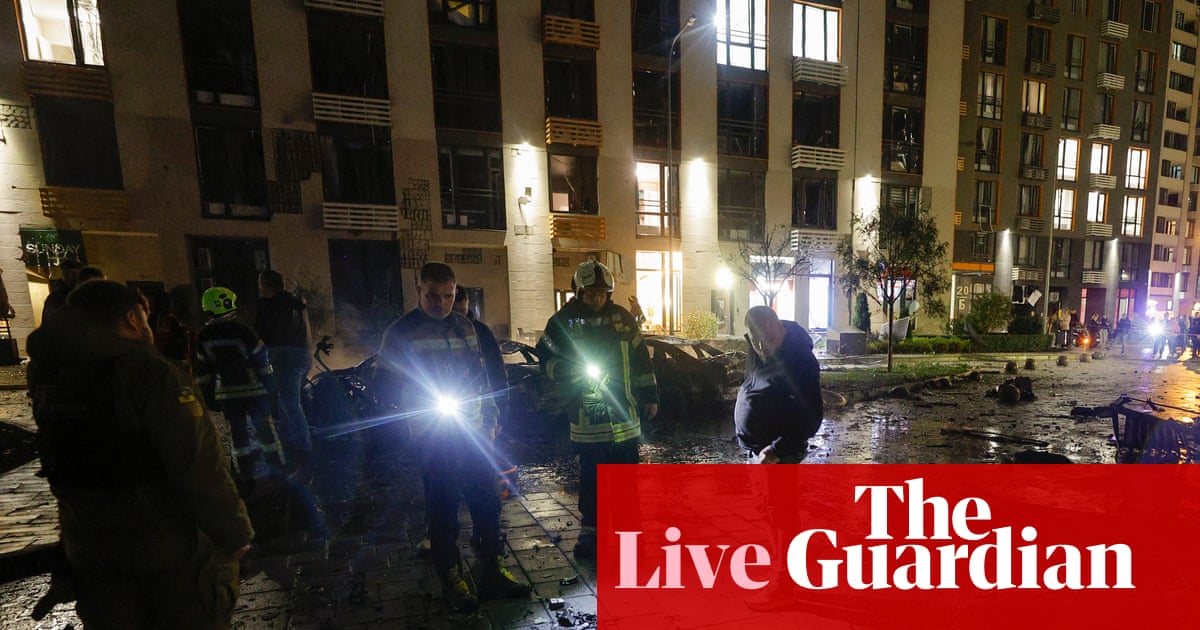
A missile strike on King Khalid International Airport in Riyadh has resulted in at least thirteen deaths and approximately three hundred injuries, marking the most lethal attack on a Gulf nation since the onset of broader regional conflict earlier this year. The assault by Houthi rebels represents a significant escalation in violence, targeting a major infrastructure hub in Saudi Arabia’s capital. This incident occurs against a backdrop of intensifying hostilities that have drawn Gulf states into direct confrontation with forces aligned against Iran.
The attack challenges long-held assumptions about the security of Gulf territories. For years, regional powers operated under an implicit understanding that their sovereignty and civilian populations would remain insulated from the direct impacts of wars fought elsewhere in the Middle East. Recent events, including strikes on Qatar and other Gulf nations, have dismantled this norm. The Riyadh strike demonstrates that no location is immune to retaliation or collateral damage in the current geopolitical climate.
This shift follows a series of unprecedented incidents over the past year. Earlier, Iranian missiles targeted an airbase in Qatar hosting American troops, causing alarm despite coordinated warnings. Later, Israeli strikes hit Doha, resulting in civilian casualties without prior coordination. These events signaled the end of a protective buffer that had previously shielded Gulf states from direct involvement in regional power struggles.
The broader conflict involving the United States and Israel against Iran has further destabilized the region. Tehran has responded to perceived support for these offensives by targeting military sites, energy facilities, and desalination plants across Saudi Arabia, Qatar, the UAE, Bahrain, Kuwait, and Oman. These strikes have disrupted daily life, forced school closures, and grounded air traffic, inflicting significant economic and social damage on nations that had sought to distance themselves from direct combat.
The disruption extends beyond immediate physical damage. Gulf leaders had invested heavily in integrating their countries into the global community through tourism, sports, and entertainment ventures. High-profile events such as Formula One races and boxing tournaments were intended to showcase these nations as cosmopolitan hubs. However, the threat of drone attacks and missile strikes has jeopardized these initiatives, undermining years of strategic planning and financial investment.
The resurgence of Houthi activity is linked to the wider war against Iran. The conflict has provided strategic opportunities for Yemen’s rebel group, which had previously reached a de facto ceasefire with Saudi-backed forces in 2022. With commercial shipping routes shifting away from the Strait of Hormuz due to tensions, the Houthis have moved to secure control over the Bab al-Mandab strait in the Red Sea. This maneuver enhances their leverage and territorial influence.
Tensions have escalated further with Saudi Arabia increasing its military operations against Houthi positions. In a notable incident, Saudi-backed forces bombed an airport in Sana’a to prevent an Iranian aircraft from landing, highlighting the complex interplay of regional loyalties and rivalries. These actions reflect a breakdown in previous diplomatic efforts and a return to active hostilities that had been dormant for several years.
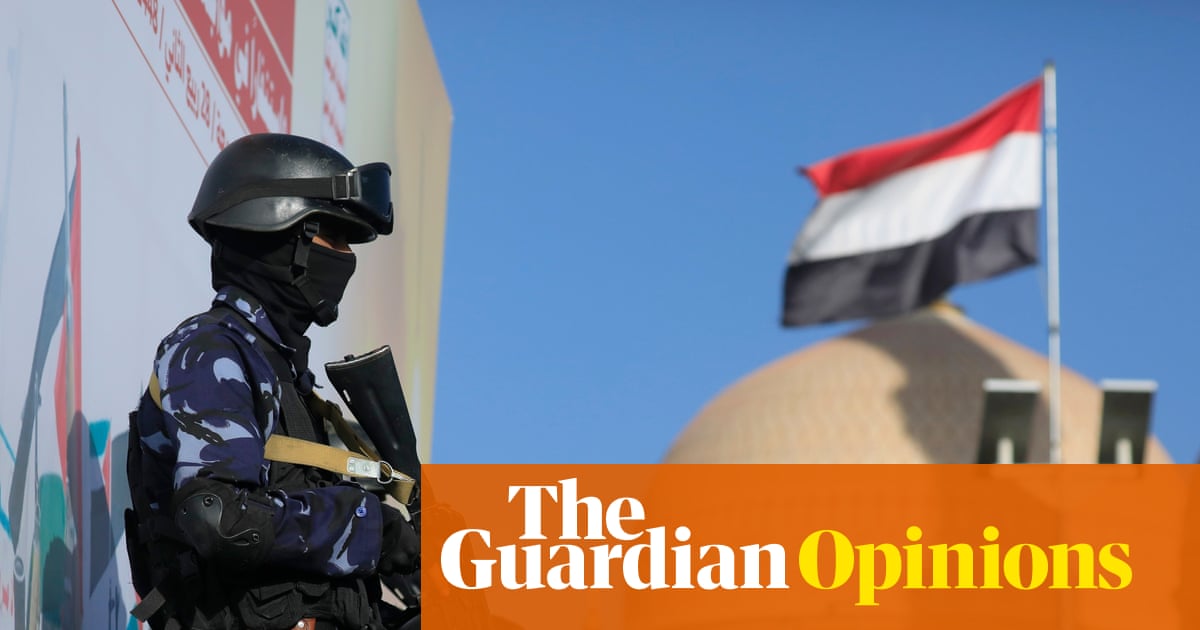
The Houthis are not merely proxies acting on behalf of Iran; they possess distinct domestic ambitions and deep-seated animosity toward the Saudi royal family. A senior Houthi official stated that the Riyadh attack was intended to demonstrate that Yemeni civilian infrastructure has also been targeted by Saudi forces. This perspective underscores the group’s motivation to assert its agency and challenge what it views as imperialist dominance in the region.
The implications of this new era of instability are profound. The gradual erosion of peace and security in the Gulf cannot be easily reversed, despite relatively lower casualty figures compared to other conflict zones like Gaza or Iran. Leaders in the region must now confront a reality where traditional alliances offer less protection than previously assumed. The path forward remains uncertain, with no clear mechanism for restoring the previous status quo.
As the situation evolves, the focus will likely shift to how Gulf states adapt to this heightened threat environment. Economic diversification efforts may face new hurdles, and security strategies will need to be reevaluated in light of demonstrated vulnerabilities. The international community will also need to consider its role in mediating or responding to these developments, as the ripple effects of regional instability continue to expand.
Sources behind this briefing
Go to the original reporting
- The Guardian US Politics↗The Gulf has entered a new era of instability. If its leaders think they can rely on old alliances, they are wrong | Nesrine Malik