The short version
- Houston Mayor John Whitmire issued an order limiting police cooperation with federal immigration authorities to cases involving violent crimes or specific administrative warrants.
- The policy change follows the recent election of Democrat Gina Hinojosa as Texas governor, ending decades of Republican control and altering the state's alignment with federal immigration enforcement.
- Advocates view the move as a necessary step to reduce community fear and address past incidents of alleged misconduct by federal agents in the region.
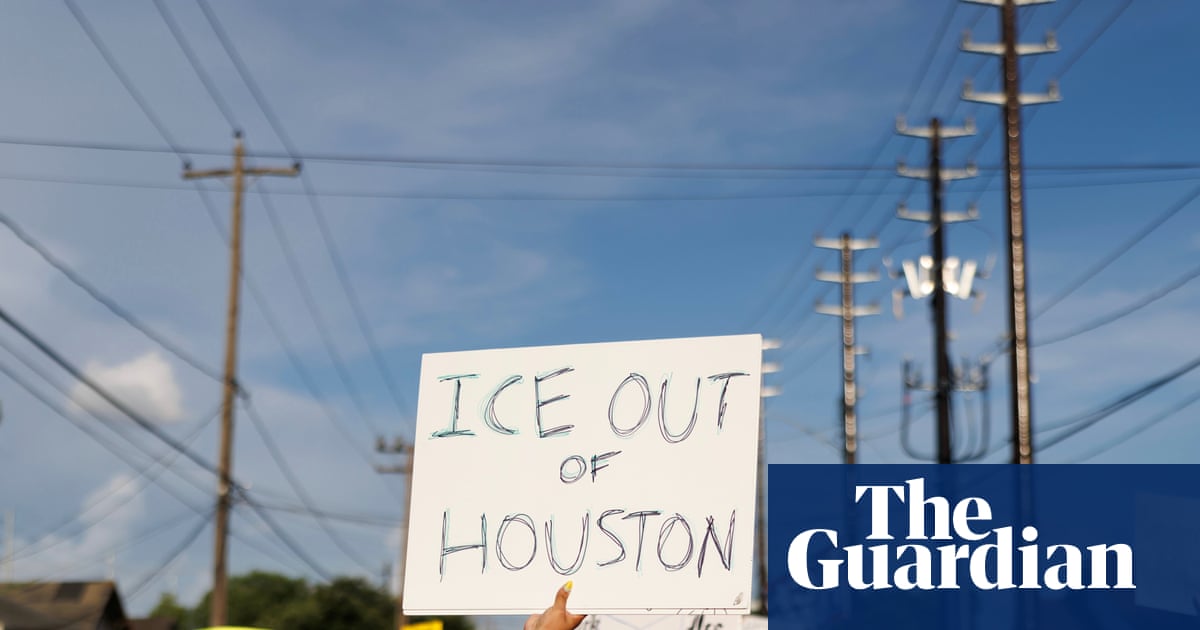
Houston has implemented a significant restriction on how local law enforcement interacts with federal immigration authorities, marking one of the earliest policy shifts following recent electoral changes in Texas. Mayor John Whitmire announced that city police will no longer assist Immigration and Customs Enforcement (ICE) in routine matters or nonviolent offenses. The new directive establishes a stricter threshold for cooperation, requiring that individuals be arrested on charges subject to incarceration or that ICE present an administrative warrant signed by a senior official before local officers engage with federal agents.
This policy adjustment represents a departure from previous practices where broader collaboration was common. Under the updated rules, minor infractions such as traffic violations will not trigger immigration enforcement actions. Officers are instructed to issue citations or warnings and allow individuals to continue their daily activities without involving federal authorities. The mayor emphasized that the goal is to target those who pose genuine safety threats rather than immigrants engaged in lawful work, education, or family life.
The timing of this announcement coincides with a broader political realignment in Texas. Democrats recently secured control of the governor’s office for the first time in decades, with Gina Hinojosa defeating incumbent Greg Abbott. Abbott had closely aligned state policies with the Trump administration’s aggressive immigration enforcement strategies. His defeat signals a potential shift in how state and local governments coordinate with federal agencies on border security and deportation efforts.
Local advocates have welcomed the change as a critical step toward restoring trust between immigrant communities and law enforcement. Cesar Espinosa, executive director of Fiel Houston, an immigrant-rights organization, stated that the city council had supported such measures for months and praised the mayor’s decision to implement them. The group plans to hold a press conference to highlight the significance of the policy shift and its potential impact on community safety.
The decision comes amid growing scrutiny of ICE operations in Texas. Recent incidents have raised concerns about the conduct of federal agents during enforcement actions. In July, an ICE agent shot and killed Lorenzo Salgado Araujo during a traffic stop in Houston’s Magnolia Park neighborhood. The incident occurred while agents were reportedly searching for other individuals, sparking outrage among residents who described the event as unjust and traumatic.
Another case involving alleged misconduct has drawn attention to the risks associated with federal immigration enforcement. In October, an ICE agent struck Miguel Parra Hernandez with a vehicle during a pursuit of a different suspect. Prosecutors indicted officer Mario Alberto Morales on charges of aggravated assault with a deadly weapon, citing video evidence that contradicted ICE’s claim that Hernandez ran in front of the car. The family of Parra Hernandez has worked with advocacy groups to seek accountability for these actions.
Despite receiving substantial federal funding, including a one-time infusion of $75 billion from Congress, ICE remains heavily reliant on local police departments to identify and detain individuals subject to deportation. The agency has signed approximately 2,600 agreements with state and local agencies across the country, many in Texas, to deputize officers for immigration enforcement. Houston’s new policy challenges this model by limiting the scope of cooperation to serious criminal cases.
The practical implications of this directive extend beyond immediate law enforcement procedures. By reducing contact between local police and federal immigration agents, the city aims to alleviate fear and anxiety within immigrant communities. This approach seeks to encourage residents to report crimes and cooperate with investigations without worrying about unintended consequences related to their immigration status. The success of this strategy will depend on consistent implementation and ongoing dialogue between city officials and community stakeholders.
As Texas navigates this political transition, the interplay between state leadership and local governance will likely shape future policies on immigration enforcement. Houston’s actions set a precedent for other cities considering similar measures to balance public safety with civil rights protections. The coming months will reveal how effectively these new guidelines are enforced and whether they lead to measurable improvements in community relations.
Federal officials have not yet responded to inquiries regarding the impact of Houston’s policy change on national immigration enforcement efforts. However, the shift underscores the growing tension between local autonomy and federal authority in managing immigration issues. As more jurisdictions evaluate their own cooperation levels with ICE, the broader debate over immigration policy continues to evolve in response to both political developments and public sentiment.
Sources behind this briefing
Go to the original reporting
- The Guardian World↗Houston to limit police cooperation with federal immigration authorities


