The short version
- Rep. Thomas Massie filed an impeachment resolution against Defense Secretary Pete Hegseth on the first day of the new congressional session, citing military operations in Iran, Yemen, and Venezuela.
- House Speaker Mike Johnson urged lawmakers to reject the measure, arguing that removing a defense secretary during active hostilities would damage U.S. credibility with allies and adversaries.
- Hegseth defended his record as essential for national security, announcing a rare news conference to address the charges while President Trump maintained that the military actions were justified successes.
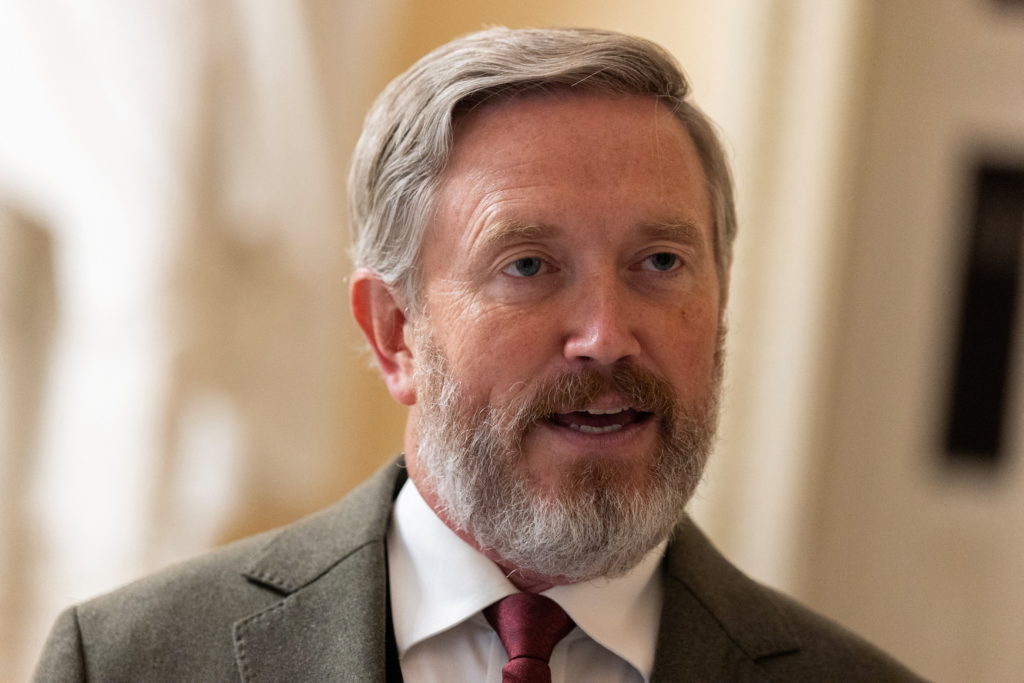
The House of Representatives opened its first session following the midterm elections with an immediate constitutional confrontation. Rep. Thomas Massie, a Republican from Kentucky, introduced a resolution to impeach Defense Secretary Pete Hegseth, forcing a potential vote on whether to remove one of the Trump administration’s most prominent figures. The move sets the stage for a dramatic procedural battle within the GOP, which is reeling from sweeping election losses that many party members attribute to the ongoing war in Iran and its economic repercussions.
The impeachment articles largely focus on the conflict with Iran but also reference Hegseth’s role in directing military actions against Houthi rebels in Yemen and operations involving Venezuela. Massie argued that the secretary’s conduct amounts to high crimes and misdemeanors, warranting removal from office. A vote in the House could occur by mid-week, placing significant pressure on Republican lawmakers who must balance party loyalty with the political realities of a electorate that has punished them heavily for the administration’s foreign policy decisions.
House Speaker Mike Johnson attempted to block the resolution before it gained traction, warning colleagues against impeaching a cabinet secretary while the United States is engaged in active military campaigns abroad. Johnson characterized the effort as politically motivated and detrimental to national security interests. He argued that removing the head of the Department of Defense during hostilities would send a damaging signal to both American allies and adversaries, suggesting it would be viewed as a cheap political trick rather than a serious constitutional remedy.
Despite the Speaker’s objections, most House Democrats are expected to support the impeachment effort. Democratic Leader Hakeem Jeffries stated over the weekend that Hegseth should be removed from his post. If the House votes to impeach, the matter would proceed to the Senate for a potential trial. However, Republicans currently hold the majority in both chambers of Congress. This dynamic is set to change in January when the new Congress convenes with Democrats taking control, potentially altering the political calculus surrounding any future proceedings.
Hegseth has responded to the impeachment threat by defending his administration’s military strategy. He announced he would hold a rare news conference on Tuesday, marking his first public briefing in over 180 days. His last appearance before reporters was in May, and he has avoided addressing questions about the Iran war, strikes on alleged drug-trafficking vessels, or other U.S. military actions since that time. The Pentagon chief is currently bearing the brunt of political anger following the midterm results, which cost the Republican Party control of Congress.
Speaking at the Naval War College in Rhode Island, Hegseth dismissed the impeachment push as politically motivated noise. He argued that critics are not disagreeing with policy failures but rather with successful outcomes. Hegseth stated he is willing to litigate the military actions taken by the Trump administration, including operations codenamed Epic Fury and Rough Rider, as well as the capture of former Venezuelan leader Nicolás Maduro. He framed these actions as historic accomplishments by U.S. troops that should not be subject to political retaliation.
President Donald Trump defended Hegseth on Sunday night, asserting that the defense secretary is guilty only of winning two wars. Trump claimed that these military interventions saved the Middle East and Israel, making impeachment unjustified. Hegseth echoed this sentiment, arguing that confronting Iran’s nuclear program was necessary to prevent the regime from acquiring weapons-grade capabilities. He noted that inaction was not a viable option and that bold moves were required to address the threat.
The context of the Iran conflict remains contentious. Iran has long maintained that its nuclear program is peaceful, though the International Atomic Energy Agency reports that the country possesses uranium enriched to 60% purity. This level is technically close to the 90% threshold required for weapons-grade material. Hegseth argued that someone had to confront this pursuit, aligning with a stance previously articulated by Secretary of State Marco Rubio, who suggested that necessary actions do not always have to be popular. The impeachment resolution thus tests whether political consequences can override executive defense of military strategy.
Vice President JD Vance recently blamed the Iran war for the massive Republican losses in the election, a position Hegseth acknowledged but did not fully endorse. While Hegseth agreed with Trump that the actions were correct, he noted the political friction surrounding them. The upcoming vote will likely reveal the extent of internal GOP divisions and whether party members are willing to sacrifice a prominent administration figure to distance themselves from unpopular foreign policy decisions. The outcome could set a precedent for how future administrations handle military engagements amid shifting political tides.
As the House prepares for potential debate, the uncertainty surrounding next steps remains high. While Democrats are unified in their support for impeachment, Republican lawmakers face a difficult choice between supporting their party’s leadership and responding to voter dissatisfaction. The resolution’s passage would be a historic event, marking one of the few times a defense secretary has faced impeachment during active conflict. Regardless of the vote’s outcome, the episode underscores the intense political scrutiny facing the Trump administration’s foreign policy legacy as it transitions into a new congressional era.
Sources behind this briefing
Go to the original reporting
- PBS NewsHour↗WATCH LIVE: Rep. Massie speaks after filing Hegseth impeachment resolution


