The short version
- The House Oversight Committee released a report criticizing federal handling of the Jeffrey Epstein case and urging further investigation into associates.
- Democrats dismissed the findings as misleading, citing a lack of public hearings and ongoing document withholding by the Justice Department.
- Leadership changes in Congress are expected to shift the focus toward public hearings involving high-profile figures associated with Epstein.
A sharp partisan divide has emerged within the House Oversight Committee regarding the federal government’s handling of investigations into Jeffrey Epstein and his associate, Ghislaine Maxwell. Republican members released a report on Tuesday that heavily criticized the Department of Justice for its past failures and current procedures. The majority party called for expanded inquiries into specific individuals linked to Epstein and demanded better protections for survivors seeking access to their personal records.
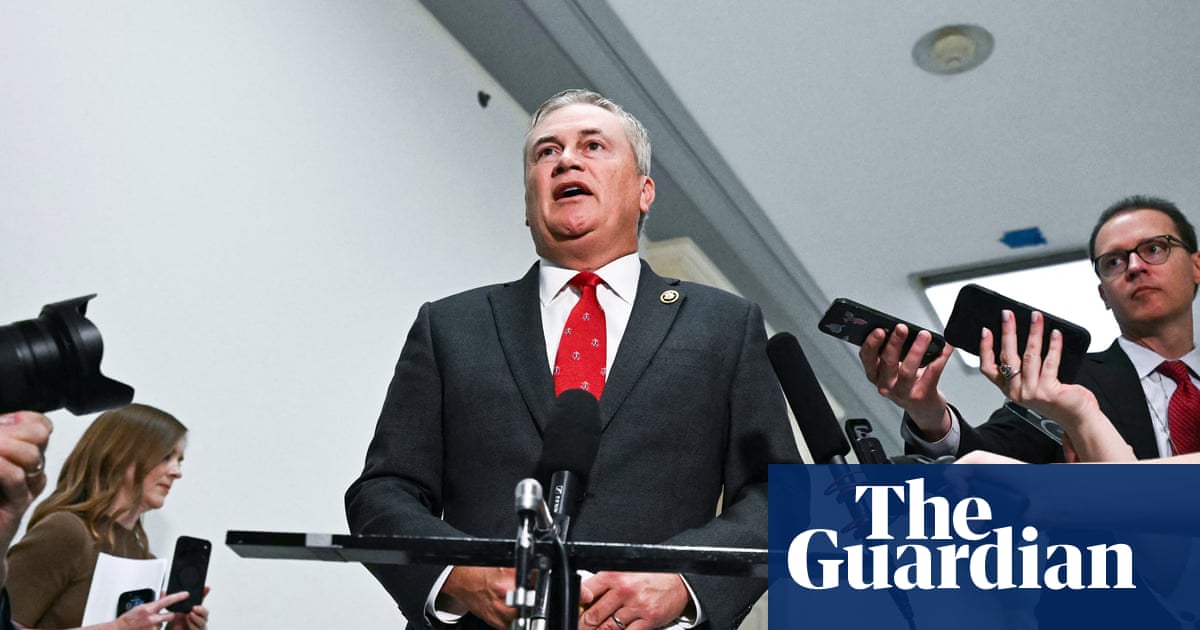
James Comer, the Republican chairman of the committee, argued that the federal government has neglected victims for decades. He stated that while the harm inflicted on women cannot be reversed, authorities must ensure thorough investigations and hold responsible parties accountable. Comer emphasized that past failures should not be repeated, urging Congress to pass legislation he introduced aimed at preventing nondisclosure agreements from silencing witnesses and survivors of sexual crimes.
The report outlines findings from a fifteen-month investigation conducted by the oversight panel. This inquiry included nineteen transcribed interviews and seven depositions. The Republicans highlighted how Epstein cultivated relationships with powerful individuals and pointed to significant failures by federal investigators and prosecutors. A central point of criticism was the controversial non-prosecution agreement brokered in 2008, which resulted in the shelving of Epstein’s federal case at that time.
Specific recommendations in the report urge the Justice Department to further question Lesley Groff, Epstein’s longtime assistant who testified before the panel earlier this year. Groff stated she had no knowledge of Epstein’s crimes during her employment. The Republicans also called for an investigation into sexual assault allegations made by another former assistant, Sarah Kellen, against two men who have denied any wrongdoing. Additionally, Comer requested that the Justice Department establish a process allowing survivors and their representatives to access unredacted personal files.
The report further criticized the Justice Department’s implementation of the Epstein Files Transparency Act enacted last year. Republicans claimed the agency failed to adequately communicate about document releases and did not sufficiently protect survivors. They noted that the speed of record releases led to deficient redactions, which exposed sensitive information belonging to victims. Questions remain regarding whether all relevant documents have been released.
In response, a Justice Department spokesperson stated that the chairman’s recommendations had already been addressed. The spokesperson reiterated that Attorney General Todd Blanche has repeatedly said the Epstein case is not closed and emphasized that there is no statute of limitations on human trafficking offenses. This assertion suggests the department believes current efforts are sufficient and ongoing.
Democratic members of the committee strongly rejected the Republican report. Robert Garcia, the top Democrat on the panel, labeled the document misleading and partisan. He argued it was based on an incomplete investigation that lacked public hearings. Garcia accused the Justice Department of illegally withholding over 2.5 million pages of documents and noted that there has been no investigation into Ghislaine Maxwell’s transfer. He also pointed out that Attorney General Blanche has yet to testify before the committee.
The political landscape for this issue is set to shift significantly in the coming weeks. Democrats will take control of the committee in the 120th Congress. Garcia indicated that the new leadership intends to hold real public hearings that uplift survivors and ask tough questions of powerful men associated with Epstein, including Donald Trump. This transition promises a different approach to oversight, focusing on transparency and direct accountability rather than internal reviews.
The contrasting approaches highlight the ongoing tension between legislative branches and executive agencies regarding historical criminal investigations. While Republicans focus on specific witnesses and procedural reforms for survivor access, Democrats emphasize broader transparency and public scrutiny of high-profile connections. The Justice Department maintains that its work continues, but congressional pressure from both sides suggests that the Epstein case will remain a focal point of political debate and legal inquiry.
As the committee prepares for leadership changes, the immediate future involves potential hearings and further demands for document release. The outcome of these efforts could influence how similar cases are handled in the future, particularly regarding survivor rights and the use of nondisclosure agreements. The public awaits to see whether the new Democratic leadership will pursue a more aggressive line of questioning or focus on different aspects of the Epstein network.
Sources behind this briefing
Go to the original reporting
- The Guardian US Politics↗House Republicans urge DoJ to further investigate ‘key witnesses’ in Epstein case